
WELCOME:
I hope you will find the following questions and answers both brief (so as to respect your time), and thorough enough to empower you to take the next step.
What is functional neurology?
Functional neurology is a specialized healthcare discipline focused on diagnosing and treating brain-based neurological conditions. As a sub specialty requiring exhaustive continuing education, the professionals using it include Chiropractors, physical therapists, medical doctors, optometrists and physician assistants, just to name a few.
What conditions respond well to functional neurology?
The more commonly seen conditions include: chronic pain, migraine, balance disorders, short-term memory loss, anxiety, depression, post-traumatic stress, movement disorders (like Parkinson’s), ADD/ADHD, vertigo, hypertension and many lingering neurological problems caused by stroke, concussion, and spinal cord injuries. **This being said, functional neurology is routinely used to help everyone from the healthy athlete looking for an edge, to the elderly interested in maintaining an independent lifestyle.
How does Functional neurology work?
It begins with a detailed history, and a comprehensive neurological exam designed to test specific elements of brain function, and plasticity (the brain’s ability to ‘rewire’ itself), such as cognition, eye movements, balance, coordination, reflexes, sensory perception and posture, just to highlight a few. These tests are non-invasive and provide insight into the level of brain imbalance and weakness that effect our activities of daily living, while aiding to determine what therapies will work best to restore health.
What does therapy look like?
Once the brain weaknesses are identified, customized exercises are provided to each individual, unique to their specific needs, and changing as the brain recovers. These exercises can include eye movements, light stimulation, position sense therapies, movement exercises and adjustments, all intended to activate various pathways in the brain, so as to strengthen the weakness, and balance the brains activities.
**WARNING! We do not use “protocols” or a “Diagnosis and Treatment Algorithm[s]”; rather, the history and examination are designed to discover what is actually causing your –not someone else’s– health complaint, and the treatment (both passive and active) is designed for your specific needs.
How long does it take?
The frequency and duration of these treatments will depend upon the individual patients needs and every plan is designed with the realistic expectation of improving their condition. Many of the exercises are designed to be done at home, so the patient’s participation can influence this question dramatically.
Are there limitations to what Functional neurology can do?
Yes, and no; functional neurology is a tool, and like any other tool, it is both the craftsman and the material that determine the outcome, not the tool. This being said, if I cannot help you, I will find you someone that can; if you are working with other practitioners for other complaints, we make a point to work together in the effort to help you; and last, but not least, if you do not do your part, your expectations should not be too high.
What will it cost?
At present, the practice of functional neurology is non-insurance based; we accept cash, check and cards, to include HSA. The fee schedule is $130 for the initial evaluation and $65 for all follow-up visits, regardless of treatments used. Payment is due at the time of service.
A little about the doctor:
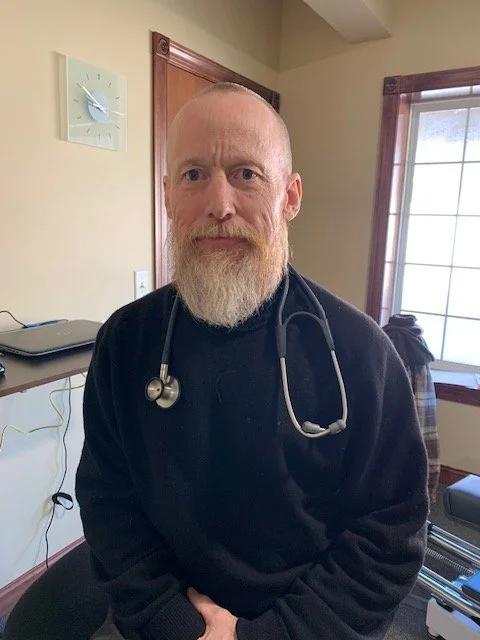
With the exception of a short tour of duty in the U.S. Army, Dr. Paul N. Siemers is a thirty seven year resident of southern Minnesota and a 1998 graduate of Northwestern College of Chiropractic. Inspired to help the ever growing population of patients who cannot find the help they need, Dr. Siemers brings 28 years of experience in private practice – of which 10 years have been devoted to complex neurological cases – to help those who feel they have failed to recover with previous interventions and do not know where else to turn with complex and persistent neurological symptoms.
Does Dr. Siemers own the Body Works Clinic?
No, he works out of this office as a consultant, receiving referrals from this office, as well as other practitioners needing a second opinion, or help with the managing difficult cases. Example: functional medicine can often be used to improve, if not increase the rate and extent of change when doing brain-based therapy, and Dr. Fiona E. Demel, who does own the Body Works Clinic is well known for her expertise in this area.
Note: All records related to functional neurology visits are maintained by Dr. Siemers, and are kept distinct and separate from those maintained by the Body Works Clinic. Scheduling is handled directly by Dr. Siemers, and questions regarding treatment should to be addressed to him directly at p(the doctors last name)dc@gmail.com