I have recently completed an online review of pregnancy related neuromuscular skeletal common issues. Quite a bit of it was just that, a review of things that I already knew and practiced for 3 decades, but there are always a couple new nuggets of information that are worth savoring.
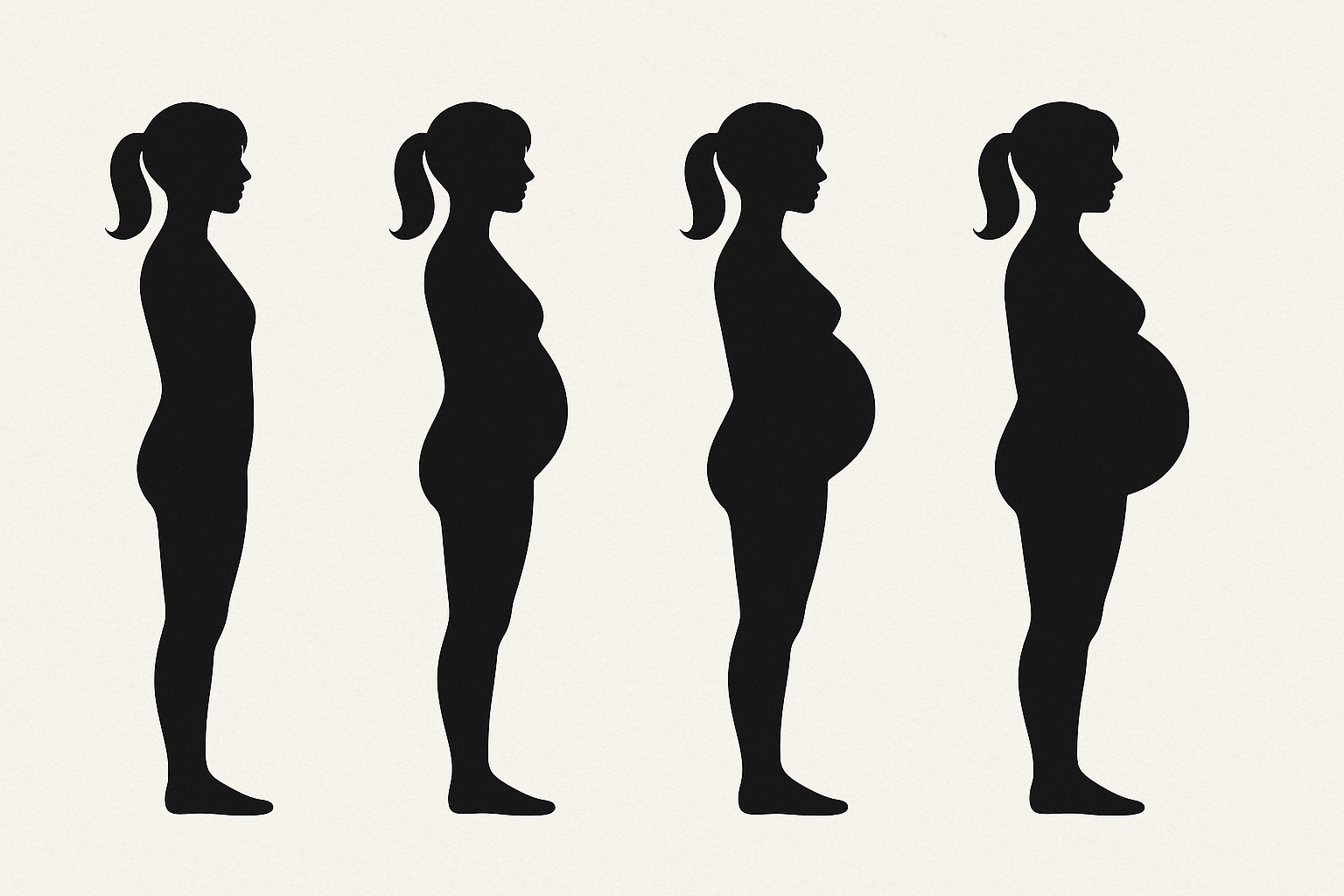
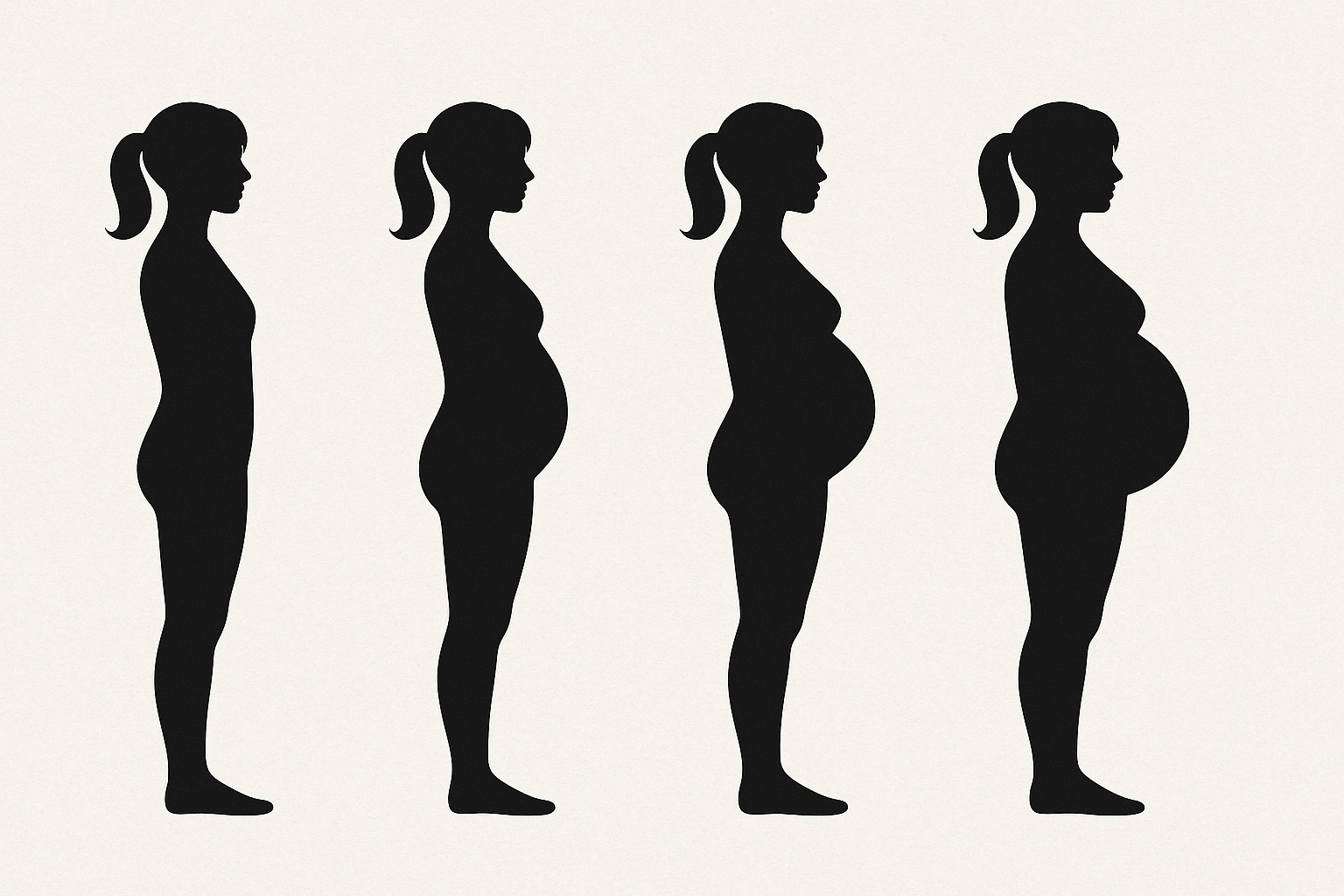
The common thought about the 1st trimester of pregnancy from a neuromuscular skeletal standpoint is that is pretty routine because you have not started growing a lot of weight in the front of your lumbar spine and pelvis yet, and that most of the problems will start as your pregnancy advances. Nothing could be further from the truth and reality. Here are some facts that explain why some women are caught off guard and feeling quite silly about the amount of problems they are encountering before showing off a baby bump
.
The key hormone associated with softening of soft tissues and especially ligaments, called relaxin, actually peaks in the 1st trimester, and has a 2nd smaller peak in the 3rd trimester. This hormone creates a softening of the ligaments that are beneficial to prepare a wider pelvis during labor, but also indiscriminately affect all the thoracic lumbar and pelvis ligaments. During the 1st pregnancy, this means that practically you start developing a slightly hyper mobile pelvis and increased lumbar lordosis (anterior curve or sway back) very early on, sometimes even before you may know for sure that you're pregnant. Increased nonspecific lower back pain associated with hyperextension and facet syndrome is extremely common, as well as reactive discomfort in the gluteal and anterior hip area. Even the rib cage can feel like it's easily strained with normal activities. A whopping 25% of women will have a major fall during the 1st trimester of pregnancy because the center of gravity has already started shifting and the brain has not quite caught up with that.
Women are not expected to significantly curb the activities during the 1st trimester of pregnancy because their body looks un-pregnant yet. Women need to understand that on the outside their body may still look the same but from a functional standpoint the stability of many of the thoracic lumbar and pelvic joints is already altered, and may require more care and stability during activities and exercise. This is especially true with subsequent pregnancies after baby number 1. It's okay for women to give themselves permission to curb back a little bit on the household chores when they find out they are pregnant even if they're not showing yet.
Seeking chiropractic care during the 1st trimester of pregnancy can be really beneficial for variety of reasons. Not the least of which is to address some of the more immediate discomfort, but also to get a better baseline of any long-term structural issues that will require some time and intervention including a fair amount of home care to optimize women's body for labor and delivery.
From a functional standpoint every woman can start working on a little better lower abdominal strength, making sure to center the trunk over their pelvis as it's naturally wanting to shift more anterior, be little more aware of fall prevention by limiting tripping hazards in your environment. Incorporating deep decompression flexion stretches as part of your wellness routine is also remarkably comfortable during the 1st trimester.