Lower extremity

New low back and hip pain after a knee or hip replacement: the "long leg"

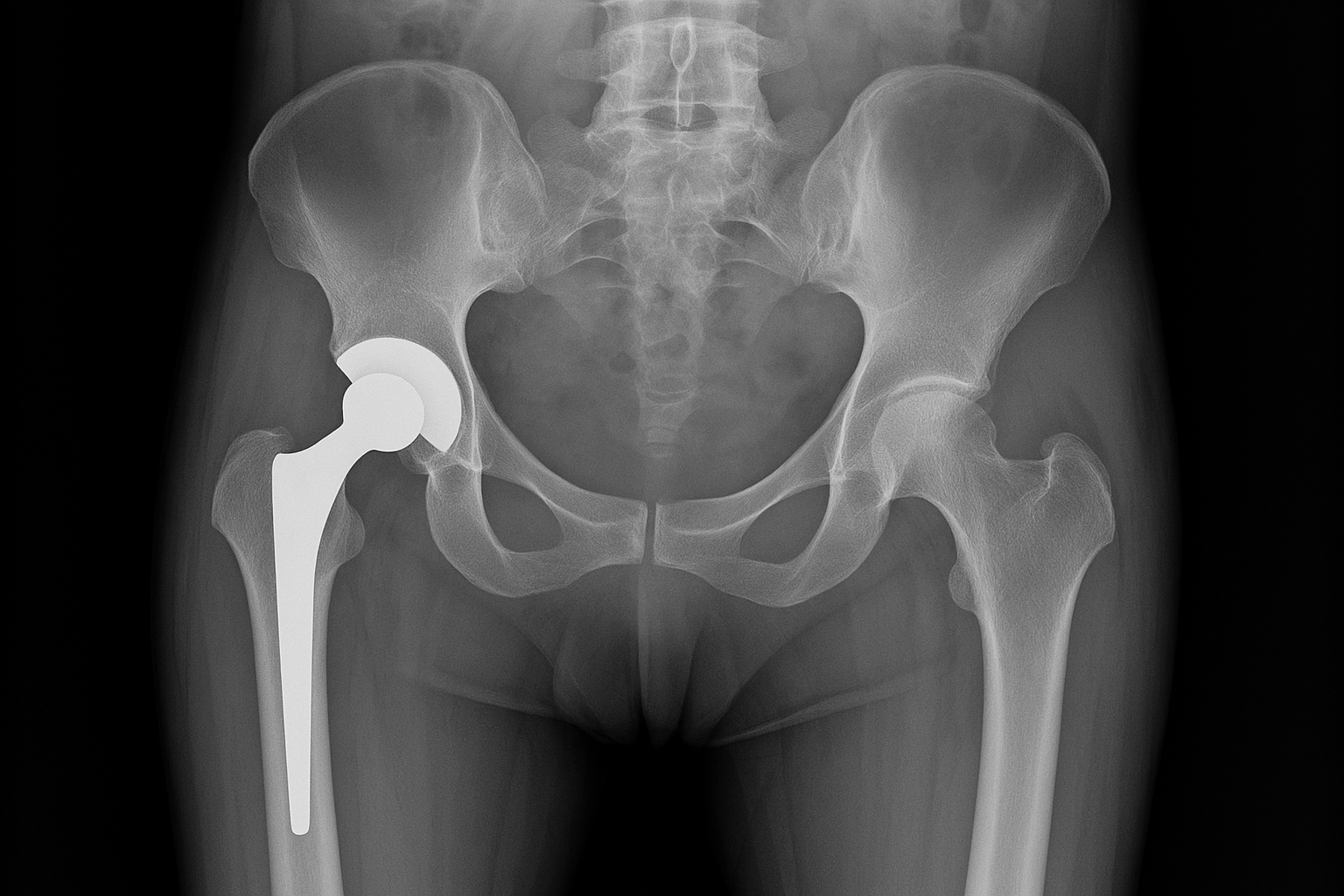
Several of our patients are opting in for planned joint replacements of hips and knees at this season, with the assumption that their work on their rehab and be ready to hit the ground for the season of outdoor gardening vacationing and general fun summer activities with some new and well-functioning hardware. This reminded me of a long-awaited blog as I've seen several cases last year.

I've been in practice 32 years and 1 of the most stunning improvement I've seen that affect my patients in my practice has clearly been the advancement in joint replacement. Minimally invasive, robotics, short recovery, they sometimes come with some challenges that need to be addressed so that the patient has the optimal recovery they're looking for by going under the knife. One such challenge is sudden changes in leg differential that can happen even when surgical intervention has been optimal.

The process of osteoarthritis and articular cartilage joint loss is a slow process that happens over years. The thickness of an intact joint versus that of a fully deteriorated joint can be over 1/2 an inch in difference. (Maybe closer to three quarters of an inch at the knee because of the presence of the meniscus). As a result, the leg affected could be easily an inch shorter from its original status, a process that the body will be able to mostly absorb over time due to its ability to slowly compensate at several levels including the sacroiliac, the lumbar spine, and the ankle.

A joint replacement will overnight reestablish the distance of a joint to its original state, and that can paradoxically be a real big problem. While the body can adjust to half an inch of difference in leg differential that gradually manifests over 2 decades, it doesn't have the ability to adapt to three quarters of an inch overnight. As a side note I should mention that our fine orthopedic surgeons have done an increasingly better job at trying to assess the leg differential and compensate for that during the surgery. But it's not always a perfect process and some surgeries come with inherently more difficulty in maintaining equal leg length, especially for people who have profound damage to the bone in which the prosthesis is going to be inserted (previous fracture of the limb, AVN, osteonecrosis, hip dysplasia, aggressive subchondral cysts to name a few).

The typical presentation looks like this: patient has successful surgery, discharge into rehab. Within a few days of starting to ambulate, they start developing intense pain on one side of their lower back and gluteal area, often the opposite side of the hip or knee replacement. Initially they write it off to limping prior to the surgery or after to the surgery, but the pain only deteriorates as they increase their walking time.

Sometimes the process goes on for a few years before I happen to see the patient. The history will reveal a pretty clear correlation between the surgery and are rather rapid onset of the new pain pattern post surgically and related to increase weight bearing time. During the patient's physical examination, when I observed them standing from the front to the back and walking, is a clear pattern of a very tilted pelvis, most often high on the prosthetic side. By the time the patient has been ambulating with an acutely acquired noncompensated long leg, did create some mechanical stress that will require some manual intervention with chiropractic adjustments, soft tissue mobilization and sometimes some balancing exercises. But as soon as is feasible in the body can tolerate it, I'll start inserting a heel or full-length foot lift gradually, to bring the pelvis and the lumbar spine to its original level. There is some real finesse and how you conduct the leg balancing, often having to start with a few millimeters at the time and increase by a couple millimeters every 2 weeks, and due to complications of mature hips and knees on the affected side, most often will require a full-length lift which sometimes will have to be external in the shoes. I should also note that we don't always have to compensate for the full deficit, but the body will often be able to adapt to approximately half of the leg differential and will just need to shim for the other half. However, the recovery by addressing the acquired long leg from a joint replacement can also be very dramatic and rapid, making everyone happy.

The moral of the story: if you are having some persistent new unilateral hip lower back or thigh pain after a lower extremity joint replacement, don't give up on yourself and be evaluated. It could be a relatively simple problem to resolve.
Rethinking the toebox

I always have great intentions to put myself a calendar reminder when it's time to replace my work shoes, and inevitably the reminder flashes and goes in the midst of a busy storm and is forgotten. Until my footsies starts barking up about new shoes, a reminder that is harder to ignore.

This most recent swapping of the footwear was an opportunity to think a little more intentionally about optimal footwear that is truly designed for the human foot. It's the subject of millions of blogs and discussion posts, and quite a bit of research too. But in the end, there is still not a great consensus and still several opposing camps when it comes to supportive versus minimalist shoes for example. The purpose of this discussion is not to weigh in on this debate, which I think needs to be nuanced and little more individualized based on the terrain you walk on,existing foot stability and injuries However one area that is pretty universally agreed upon is the fact that the shape of the toebox needs to be matching the shape of the forefoot, which in most people is going to be quite a bit wider than the heel.

During 1 of my recent tango dancing trip out of state, I was surprised to see how many female dancers had switched from the traditionally extremely aesthetically pleasing high heel ritzy shoes to very plain looking flats with an anatomically correct wide toebox. It was a little odd to see the combination of the elegant silk dresses with the type of shoe you more traditionally associate with a long dog walk on a trail, but in the end, that new trend is here to stay and none of the dancers I talked to are ever going back. Nor should they. From a biomechanical and functional standpoint, the ability of the front of your foot to have adequate space for every joint of your metatarsals and toes to properly articulate during the gait cycle is a total no-brainer. It allows normal kinetic chain muscular activation in the lower extremity all the way to the trunk, something that should be remembered in cases of chronic lower back and hip discomfort during walking. There is even evidence based on pediatric studies that wide toebox shoes result in better concentration and cognitive processing in children. Probably the reason why many children with no divergence tend to instinctively go barefoot the majority of the time.

The photo attached shows on one side more traditional shoe and a wide toebox with my barefoot in between (. I should have remembered to get a pedicure before the photo..). My foot is not much different than the average foot and you can clearly say how much wider my toes are than the shape of the shoe on the right side, almost identically matching the shape of the shoe on the left. Going forward, I am slowly replacing all of the shoes in which I spend any meaningful amount of time with something that looks more anatomic correct at the front, and I invite you to do the same. The number of shoe vendors who are starting to redesign the shoes accordingly is increasing, with a greater variety of styles available. It is taking all of us a little bit to get used to the new look of our shoes, but about 100 years ago, the world suddenly got used to seeing women with normal size waists after most of them exited their corsets, and the world has been a better place for all of us as a result. So let your toes shed their "corset" and enjoy some much deserved freedom.

Obturator syndrome: some nasty groin pain

I was joking with a colleague that there are some "sexy muscles" that seem to be popular from time to time, but the one I'm about to blog about is definitely not in that category. Which is unfortunate because it can be an absolute source of misery.

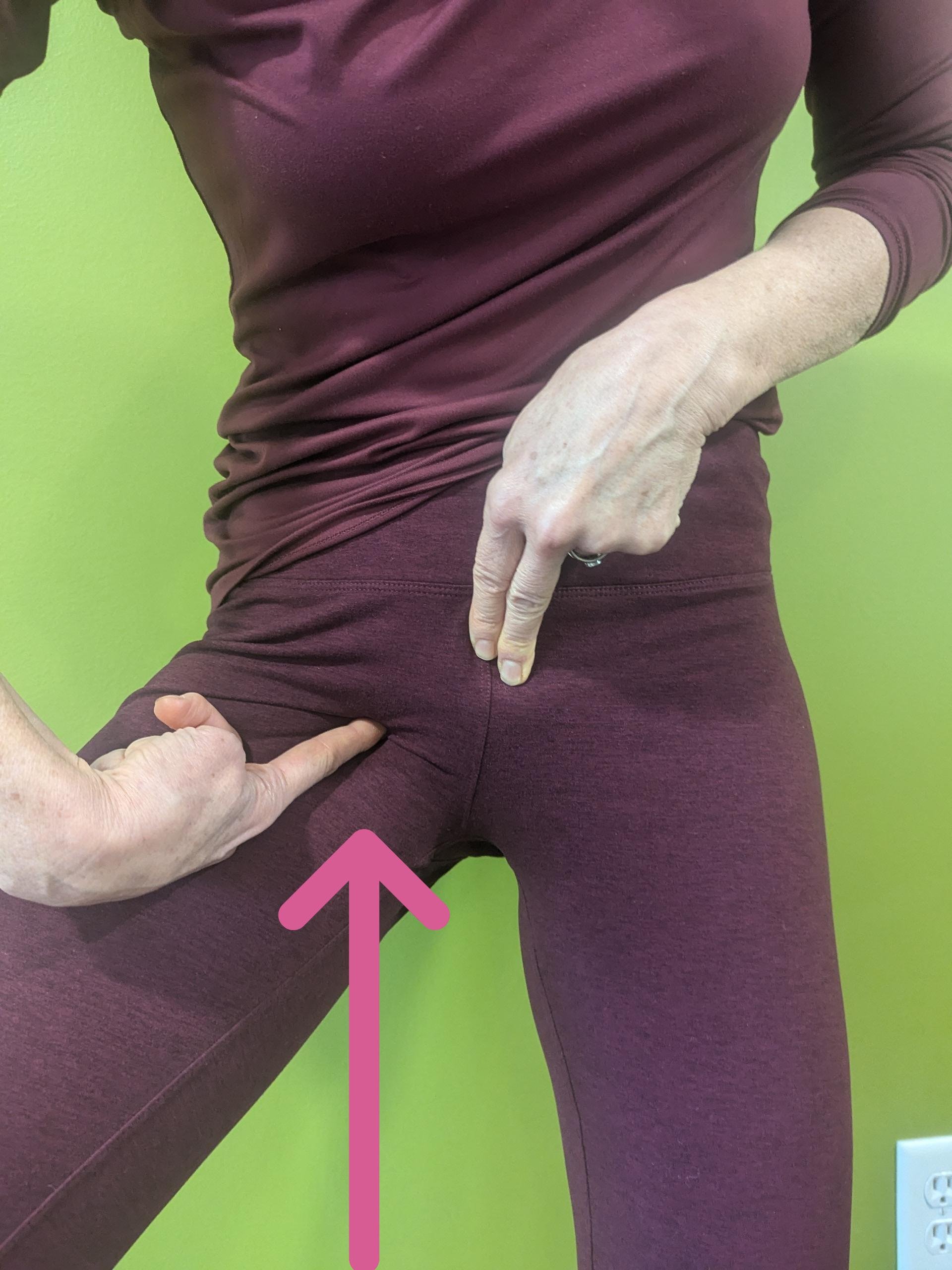
The obturator externus, later referred to as OE is a muscle that is deep in the groin, connecting the anterior inferior part of the pubis to the inside of the upper femur. It's involved in a combination of adduction stability of the leg (and thus can be injured in sharp abduction sprains), with lesser degrees of rotation and flexion. It's not easy to palpate unless you know exactly how to locate certain origin and attachment landmarks, and it connects different parts of our anatomy that make it involved in activities of the leg, trunk and pelvic floor at the same time. The pain pattern usually involves the inside upper thigh, groin, but can also radiate to the perineum and lower abdomen. Mechanism of injury include leg abduction and flexion sprain, slip and trip injuries, weightlifting injuries, and more repetitive type overload injuries such as anterior position of pregnancy and long-distance running.

The reason that the OE is worth talking about is that it can be a source of continued pain even when other parts of an injury have resolved. I have encountered that in many cases where we successfully treated and rehabed sacroiliac and upper thigh injuries for example, but the patient continued to have some very pinpoint groin pain that continue to prevent them from resuming their previous activities. It's often an area that the patients are hesitant to talk about because it will radiate into the genital and pelvic floor area, as well as deep in the inside of the thigh, both areas the patients don't necessarily like to have examined. And an area that many health care providers don’t like to dig in.

Treating and resolving an OE painful syndrome can be a game changer for patient. I'm grateful for my ART training 15 years ago to give me the confidence to properly locate the muscle and perform the appropriate myofascial release on it. The OE responds surprisingly quickly to therapy, usually clearing up within 2 or 3 treatments. It's a little tricky to stretch at home unless you know how to combine the 3 motions to isolate it. I have found my best results with the modified unilateral elevated cobbler with some butterfly flexion.

What causes groin pain ?

It's a question that comes up periodically and since there is no easy answer that I can give to patient during a routine appointment slot, I decided to put my thoughts in writing so I can refer patients to it as a conversation starter.

The groin is a small piece of the body's real estate, that we tend to think of as private, but that can really control your life if it starts acting up.

It's a body area that is the intersection of several structures that can be pain producing, and you need a little bit of attentive detective work to determine the source of the problem.

The main structures that can be involved in producing groin pain:

– referred pain from the middle lumbar area, especially L2 and L3 segments. These would be things like a lumbar disc herniation causing pain to radiate along these dermatomes, or significant bony spurs. The lower lumbar segments such as L4 5 and L5 S1 definitely take the lines shares in terms of referred this pain, so that sometimes we tend to forget that mid lumbar areas can also be a source of referred pain. Patients with groin pain referred from these mid lumbar segments tend to have pain that is aggravated by lumbar movement.

– Referred pain from myofascial structures in the deep hip flexors, especially if involving some peripheral compression of the anterior peripheral nerves that exit that those levels: the femoral nerve, the ilio inguinal nerve, and the lateral femoral continues nerve. This pain can be really tricky to assess, since it will not readily show up on advanced imaging like MRI. During physical examination, deep lateral palpation of those structures can usually be pretty revealing, and the fact that very often activities involving hip flexion can be very triggering.

– The hip joint, or more precisely the acetabular femoral joint (AF joint) . This is the ball and socket joint between the socket in the pelvis (acetabulum) , and the femoral head. This is not usually a joint that is subject to primary misalignments due to its ball and socket nature, although it certainly can, but is subject to articular cartilage degeneration, and tearing and catching of the cartilage rim also known as the labrum. There are specific orthopedic testing that can help isolate the AF joint is the source of the problem, and in addition pain from imaging as well as advanced imaging like MRI can be very diagnostic of the problem starting in that structure. From a history standpoint, patient will often report the sensation of catching or clicking, and pain triggered by hip movement rather than lumbar movement.

– The sacroiliac joint. The sacroiliac is a rather large vertical/horizontal articulation at the base of the sacrum, and the anterior portion of the sacroiliac joint can refer pain to the groin. This would happen with misalignment of the sacroiliac joint internally, that will be often associated with deep pain in the buttocks, difficulty with flexibility in the affected side of the pelvis, and standing with a toe out position on the affected side.

So groin pain can come from many different sources, but it should not be a mystery and a good physical examination can usually point the patient and the treating doctor into the right direction.

How to use orthotics in sandals?

It's a seasonal subject I find myself discussing a lot, as our most dedicated orthotics users are finding it cumbersome to keep their toes covered in sweltering conditions this year.

Orthotics can definitely be worn in sandals as long as you find the right sandal: it needs to have a deep enough removable footbed, and in most instances for patients with pronation, and adequate support along the medial ankle.

I keep a running list of the most common brands and models, which I'll happily email to patient's who requested. Since women's fashion is subject to an notoriously high turnaround, I do not post on the website for fear I would forget to update it periodically.

In the meantime, you can see in the video how easily and orthotic can be fitted in a good sandal.

https://www.youtube.com/watch?v=IjK0GV62QHM&t=5s

Wearing sandals that fit heel lifts and orthotics

This blog entry may seem a little untimely since this cool morning hints of fall, which will eventually retire our sandals. However this is also the time of the year when high-quality sandals come on sale, and a good opportunity to stock up for the winter vacation and the following summer. By now most of my patients seem to understand that they can continue wearing their orthotics in the summer by fitting them in orthotic compatible sandals. I keep a document with a list of some common brands and model that fit the bill, (although in the fashion world I'm constantly reminded that I have to update it). What has not always been made clear is that you can actually wear an orthotic combined with a heel lift or medial pronation wedge in a sandal as well, if you know what shoe to look for. That particular sandal will need to have a heel cup instead of an open back with a simple strap. There are several models on the market, they are often found under the definition of a Roman sandal or fishermen sandal (although the example listed below is actually not tagged as such on the website). Our orthotic compatible sandal document has a subset of models with heel cups. The shoe industry has really stepped up to the plate in the last few years by offering routinely models that are orthotic compatibles, broadening the choices to remain well supported with your custom appliances year-round.

Squatting exercises for knee problems

I frequently run into patients who tell me they have had to give up squatting exercises because of aggravated knee pain. This is extremely unfortunate since squatting is 1 of the best exercises to functionally engage the core, upper gluteal areas, lower back, and squats mimics the type of strength and stability posture we need for real-life activities.

It's all the more unfortunate since there is a pretty easy alternative to do a squat without causing me pain. Notice that you can use a ball of any size including something pretty small or even a foam roller, unlike the large ball that I use for the demonstration video.

https://www.youtube.com/watch?v=1zpZeza8lKU