Nutrition

NEW YEAR RESOLUTION AND THE LIES ABOUT WEIGHT LOSS

https://www.nature.com/articles/s41591-025-03842-0?utm_source=klaviyo&utm_medium=email&utm_campaign=%28Friday%20Email%20-%20Chris%20Kresser%20General%20News%29%20Chris%27s%20Friday%20Favorites&utm_term=Nature%20Medicine&utm_content=Nature%20Medicine&_kx=ZpXBDTeEF9QJhwDqQXXrImrT_HpFsBz1ZlYMbsx_Vq0.my75y6

Getting healthy is obviously on a lot of people's minds this week. Hopefully not to fade away unnecessarily soon. And among these priorities is often trying to bring body weight and body composition in line with optimal metrics.

A couple of years ago I got into an argument with a colleague personal trainer. The topic was about pre-and post workout high-protein meals. He kept pushing highly processed protein breakfast bars on his clients, to maximize muscle gains from his prescribed exercise routines, and I had advised some of our common patients against that based on metabolic health research, steering them instead to try to meet those goals with a few high protein naturally occurring foods. His mantra was that regardless of the source the metabolic effect was going to be the same and that some of these designer foods were actually a better value. There was a fair amount of research already back then about the fallacy of that statement, and this most recent piece of research puts the last nail in the coffin of the flawed processed food theory.

What struck me about this piece of research is not necessarily the end result, which is in line with previous research, but the scale of the differential of weight loss/weight gain based on the food source. We're talking about DOUBLE the weight loss and weight gain by simply sticking with unprocessed foods. And you have to remember that everything else in micronutrient and calories were exactly the same between both groups.

Let me flesh this out in practical terms: for the same amount of calories, and the same amount of proteins versus carbohydrates, and unprocessed food has a vastly different metabolic effect on your weight. And you may wonder why? Whole foods interacts very differently with the receptors in our gut, especially natural GLP-1 receptors, leptin and ghrelin receptors, which are hormones associated with energy regulation and food seeking behaviors. Whole foods also have a completely different interaction with our normal micro biome, which is highly involved in weight and body fat regulation at the level of the brain through retrograde vagal pathways primarily. It's also noteworthy that designer foods, even those supposedly good quality high protein bars that are often the staple of many people in the gym rat world, are basically so chemically different from the food your brain is meant to encounter that it doesn't know what to do with it and gets very confused about its nutritional and energy value.

It's not that in the real world you'll never be grabbing for a quick food every so often, but it's to emphasize the fact that you never get to where you need to be metabolically if that's the rule rather than the exception. I continuously feel the question from patients, especially parents of teenagers, what's the best breakfast bar or protein bar they can give the kids as they fly out in the morning. I tell them the best bar is no bar at this point. Which often gets a lot of raised eyebrows. Hardly any of them are made with real ingredients, and none of them will have the metabolic effect of grabbing a piece of fruit with a piece of cheese, a boiled egg, some nut butter etc. With a little bit of planning, you can stock your home with whole foods that do not require any prep, but can be tossed into a go bag for those days where more food prep is not an option.


Thoughts on the Ultraprocessed Nation

I recently returned from a short caregiving trip in Finland and was catching up on my weekly research digest on the plane. This particular research article caught my eye because of what I had just experienced the cafeteria of my father‘s senior facility.

https://www.amjmed.com/article/S0002-9343(25)00549-2/abstract?utm_source=klaviyo&utm_medium=email&utm_campaign=%28Email%20-%20Chris%20Kresser%20General%20News%29%20Chris%27s%20Friday%20Favorites&utm_term=recent%20study&utm_content=recent%20study&_kx=ZpXBDTeEF9QJhwDqQXXrImrT_HpFsBz1ZlYMbsx_Vq0.my75y6

In the US, as in some other developed nations, which are unfortunately catching up with US standards in terms of the over abundance of ultra processed foods in that daily plate, ultra processed foods are starting to make up a whopping 70% of our total food consumption. While most people understand on some level that processed food is bad for them, we have a long way to educate people to make them understand what in their grocery basket is a real food versus a highly processed food. And understanding doesn’t necessarily translate into better consistent food choices either.

Moving away from ultra processed foods back to whole foods shouldn’t feel like this insurmountable task. But it takes a lot of communal goodwill, and a lot of structural changes in how a country supports food growing, distribution and pricing. Which would be an entirely different complex and lengthy discussion that is not appropriate for this blog entry.

Back to my trip to the senior care cafeteria. I was having lunch with my family and was so delighted to realize that most of the food offerings were so simple and essentially healthy even in the context of mass production (after 20 years of visiting my father in Helsinki I can assure you this is the norm and not the exception). So much so that I decided to immortalize it with my phone. The soup is a simple chicken and carrot soup in a creamy broth, made from scratch, the main course is ground beef and cabbage, the sides are lingonberry sauce, roasted zucchinis and roasted root vegetables, plain mixed vegetable salad with a dash of sauce and some pickled fish. Totaling close to 90% of unprocessed foods. Pretty tasty too, especially if you are used to eating these sorts of whole foods dishes. The bottom line is that it’s possible, but it’s going to take some personal and collective dedication to reverse the trend and make this cafeteria tray the norm and not the exception.


VITAMIN D STACKING OVERLOAD

For most of the last 20 years we have been talking to patients about maintaining healthy levels of vitamin D and avoiding deficiencies because of the widespread health ramifications. However more recently we've had a bit of a turnaround in that I have run into several cases of elevated vitamin D levels on blood samples that were in a concerning range. And based on the review of the most recent literature I'm not the only one raising a bit of an alarm.

First it's important to briefly remember your metrics: vitamin D levels below 30 are generally considered insufficient, and vitamin D levels above 80 considered unhealthy high. There is some debate in the medical and integrative space about the upper range, with some groups advocating healthy levels closer to 8 fo certain at-risk populations (autoimmune, active oncology), and the purpose of this blog is not to enter that debate (although my careful review of the issue seems to indicate that something more physiological that humans have experienced over the last 10,000 years based on sun exposure and skin manufacturing of vitamin D would be closer to 60 – 70 as an upper healthy range). But I would like to point out that there is a real risk of overdosing on vitamin D3 if you're taking several supplements at the same time, and not factoring the total vitamin D that may be found in all of them.

Many nutritional supplements sold both professionally and over-the-counter do contain some background level of vitamin D as a synergist, somewhere around 400 IUs on average. The original idea behind the supplementation was that the average person was not getting enough vitamin D and they would roll in a minimum level within a supplement to ensure results. This well-intentioned idea resulted in an unexpected problem over time, as more patients started self administering a variety of supplements for general health and stacking these 400 IU doses of vitamin D. For some of our patients, who are taking a regimen of prescribed supplements for specific goals, such as G.I. restoration, inflammation control etc., That amount could easily get above 10,000. More recently we had a patient whose routine blood level was above 200 (I didn't even think it was possible and had the patient get a second test to rule out or lab error). Looking at the supplementation that I was recommending the total amount she was taking was 6000 IUs, a dose that would never get her anywhere higher than 70 on her vitamin D serum levels. It was really her head scratching mystery for a while, until the patient started looking in her kitchen cabinet at some of the supplements she was taking most days, only to realize that a winter immune support and a hair and skin support she was taking on the side were both stacking over 10,000 IUs combined between those two alone.

The moral of the story: vitamin D supplementation is beneficial for most patients especially in our northern climates, but you have to remember to calculate your total intake. And it's also a great idea to get it measured once a year as part of your annual physical to make sure you're in the ballpark.

Some light on the dark subject of eating disorders

https://www.rupahealth.com/the-root-cause-medicine-podcast/eating-disorder-treatment-a-functional-medicine-approach

This is a topic that is little bit or a lot outside of my wheelhouse so to speak, but I worked with enough families dealing with this issues which often feels like there is little hope on the horizon, to feel compelled to at least post this as a resource. This podcast came up on my series of integrative health podcasts that I listen to on a daily basis. While I do a fair amount of work with people working out some of their nutritional plan and customize supplementation, the other whole dimension of how people relate to food sometimes in a very pathologically disordered way, is not something that I have really felt comfortable tackling, instead referring to other healthcare professionals. I was aware of Dr. Greenblatt's work in other areas of nutritional psychiatry (especially his work on ADHD and weaning off psychiatric medications), but his no-nonsense practical approach to eating disorders using the concept of nutritional replenishing was brand-new to me. Feel free to use that for resource for yourself and your loved ones, as well as passing it along to people in your life.

FATS: the good, the bad and the ugly

https://www.rupahealth.com/the-root-cause-medicine-podcast/the-truth-about-seed-oils-and-how-to-avoid-them

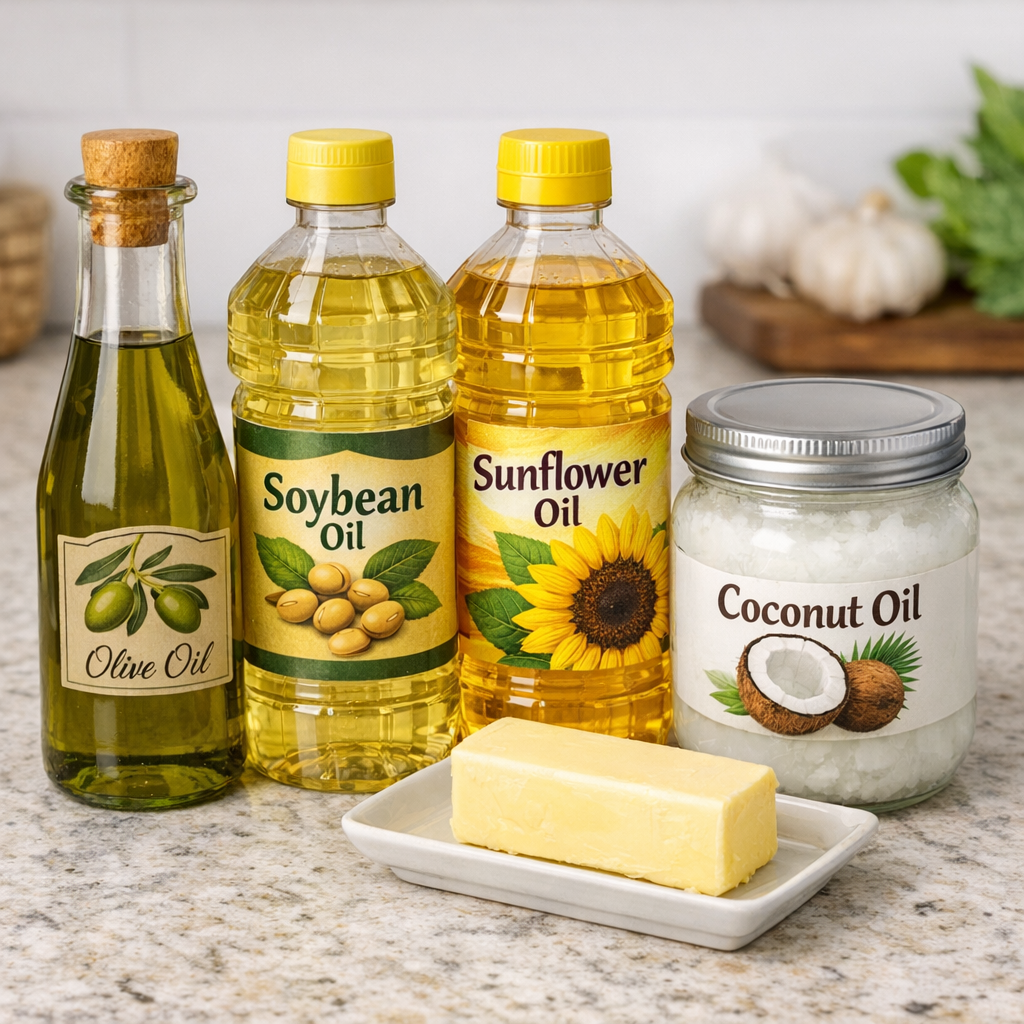
I have wanted to post information about good versus bad fats for a while, but struggling to write a clear blog or connecting with the right, scientifically based and patient friendly resources. So I was really excited to come across this blog in the root cause medicine podcast. The DrCate website was just what you need: clear information, validated, and very practical in directing patients to know what to use in the pantry and what ingredients to look for on labels.

The topic of good and bad fats is incredibly relevant not just for metabolic syndrome and lipid profile. It's extremely important in managing chronic inflammation, and its even more important in understanding oxidative stress in the body. The majority of oils and fats in food preparation are highly unstable and oxidize quickly. It's often a source of oxidative stress that's overlooked and no amount of "super antioxidant foods" is going to make up for their continuous toxicity to our health.

https://drcate.com/list-of-good-fats-and-oils-versus-bad/

FINALLY ! REVAMPED SENSIBLE NUTRITIONAL GUIDELINES

After many years of often biased and poorly data driven debate on the animal versus non animal product composition of the optimal human diet I welcome this latest piece of research consensus out of the Brussels University. The data they used to come to their recommendation is really quite solid.

The take away message is that after many years of being vilified, animal products are now recognized for their value in the human diet because of the nutrient density of certain hard to get nutrients. This would include things like certain essential amino acids, certain minerals like iron zinc, certain essential fatty acids and many more. While some non animal products may contain many of these nutrients, they are often not bioavailable to humans because our digestive tract is different from animals who can easily extract them (Think of a cow’s ability to extract essential fatty acids from grass that goes right through a human digestive tract).

The recommendation is for approximately one third of human calories to come from animal sources in order to ensure adequate essential nutrient intake. It does not discount the fact that plants and non-animal products still have a very important role in the human diet obviously, but they need to be eaten in combination with animal products for optimal results. Interesting piece of information buried within the long consensus paper was that the risk of obesity with strict vegan diet may increase, since the body will continue to upregulate the eating reflex until the minimum intake of certain key nutrients, especially essential amino acids, has been met. This would mean that someone’s hunger reflex would continue to drive food seeking behaviors until they have eaten 3000 calories on a vegan diet to obtain the same amount of amino acids that would be obtained after 1800 calories of a mixed animal vegan diet.

As always, the quality of the animal product needs to be emphasized in the context of an omnivore diet. Thankfully we live in an area where properly raised animal products are relatively easy to come by.

https://sustainablefoodtrust.org/news-views/a-new-perspective-on-healthy-eating/?utm_source=klaviyo&utm_medium=email&utm_campaign=%28Email%20-%20Chris%20Kresser%20General%20News%29%20Chris%27s%20Friday%20Favorites%20%28LINKS%20FIXED%29&utm_term=new%20dietary%20framework&utm_content=new%20dietary%20framework&_kx=ZpXBDTeEF9QJhwDqQXXrImrT_HpFsBz1ZlYMbsx_Vq0.my75y6

Aspartame and atherosclerosis

I've come across a lot of really good nutrition research recently that is worth sharing because of its direct application to what we put in our mouth every day.

I'm still baffled by the number of people who continue to ingest artificial sweeteners on a daily basis, considering that the research has been loud and clear on the adverse health impact for so many years. I know we all have bad habits to kick as some foods are our comfort or survival go to, but I still run into a lot of people who are fully convinced that there is no scientific evidence for the harm of some of these food additives, and they see the benefit from the decreased caloric intake. (Although data has also found to be false over time as artificial sugars keep increasing our brain's desire for more sweetness across the board).

This piece of research pertains in particular to the sweetener aspartame, which is found in a lot of diet sodas. Aspartame is an excitotoxins that can easily cross the blood brain barrier and have widespread repercussions in the central nervous system. It also is known to have adverse effect on lymphoid tissue with some correlation noted over time with blood cancers. This particular piece of research more clearly establishes the direct biochemical link between aspartame and the insulin cascade leading to vascular lining inflammation and increased risk of plaquing. This is especially important when you consider that a lot of people are trying to manage the complications of metabolic syndrome, including diabetes and atherosclerosis, by switching from regular sugar to artificial sweeteners. As always, best to cut out those chemicals, and whenever possible stick to the least amount of naturally occurring sugars in your diet.


https://www.cell.com/cell-metabolism/pdfExtended/S1550-4131(25)00006-3?utm_source=klaviyo&utm_medium=email&utm_campaign=%28Email%20-%20Chris%20Kresser%20General%20News%29%20Chris%27s%20Friday%20Favorites&utm_term=disturbing%20new%20study&utm_content=disturbing%20new%20study&_kx=ZpXBDTeEF9QJhwDqQXXrImrT_HpFsBz1ZlYMbsx_Vq0.my75y6

PROTEIN, PAIN, INJURY : HOW MUCH AND WHAT KIND DO I NEED ?

I had a discussion last week with one of our teens involved in athletics, followed 15 minutes later by a similar discussion with a patient in his 70s, struggling to improved metabolic syndrome and stabilizing old athletic injuries. The common thread was the importance of high quality balanced sufficient protein intake in achieving their goals (respectively mitigating chronic returning injuries and managing diabetes). Looking at my weekly research digest with this particular article at the top come up I knew the universe was telling me to put up a blog about it.

The importance of protein intake comes and goes in the integrated and wellness space. That's unfortunate because it should never leave the discussion .It's just one of those subjects that's not sexy enough to make headlines and money on a consistent basis so it gets cycled through when it's convenient.

For the sake of keeping this blog entry at one page rather than 20, I just want to highlight a few key points in regards to protein intake:

·       The total intake for optimal health and maintenance of lean muscle mass and soft tissue repair is about half a gram per pound of body weight, as a very crude measurement .Which means that for an average adult it's going to be close to 80 grams a day, much less than what most people are getting. It can even go higher in certain needs such as increased physical activity, recovery from illness injury surgeries or other trauma.

·       Quality of the protein is also crucial. It is defined as the diversity and percentage of essential amino acids, defined as those that cannot be manufactured by your body. In that regard animal protein has a much better profile since it belongs to animals, rather than plant based protein which are meant to build up plants. This statement will often cause quite a stir among people who are advocating a plant based diet. But understand that recognizing the importance of the quality of animal protein does not necessarily mean that it makes up the exclusive protein source in your diet. It means that it needs to be present in meaningful amount to provide the needed amino acid mix, but that plant based protein that are part of the plant part of your diet is also beneficial. If you look strictly at the data and the research it's very difficult to get optimal protein intake and amino acid balance from a plant diet alone without resorting to some very fractionated supplementation. My ballpark figure is to get at least half of your protein from animal sources. Ideally flesh based protein should be nose to tail and incorporate not just muscle meat but organs and connective tissues, As well as sea and land animals.

·       Incorporating animal protein can be done with respect to environmental and animal welfare concerns. In that regard we are very fortunate in our zip code to have access to ethically raised and properly fed sources of animal protein.

·       Incorporating optimal amounts of diverse protein in your diet will also have a beneficial effect for weight management. Our brains are engineered to continue eating until we have extracted enough essential amino acids from our food. Thus our brains are less likely to continue hungering for calories if the total amount of essential amino acids has been met. Conversely, if the amino acid density is low, your brain is going to signal you to continue eating more food,  thus calories until you reach that sufficiency point.

·       Protein sufficiency is important at every age but in the instances of the two patients I saw back-to-back, for very different reasons. Our athletic teen kept having recurrent tendon and muscle injuries because she was grossly deficient in adequate protein for normal repair during a high intensity season with daily 2 hour practice. Our 70 year old with metabolic syndrome was seeing low results from his strength training program and poor control of diabetes because he was not able to leverage his exercise into the deposition of lean muscle mass due to suboptimal protein intake. Numerous studies have shown that adequate protein intake becomes more crucial as you age, since our body is less efficient at extracting amino acids and depositing them for the same amount of protein you eat 10 years earlier.

·       The question over protein powder continues to come up as part of the protein sufficiency discussion period my first recommendation is to always get as much of your protein intake from Whole Foods, and supplement no more than 25% maximum with protein extract. This would mean practically that one serving of a protein powder concentrate of about 20 grams per day is OK at times, but should not be the default to meet your protein needs. It is however a very smart move during certain times when getting the right amount of protein may be difficult, such as some of our patients dealing with aggressive treatment with chemotherapy, recovering from oral or GI surgery for example. Protein powders come in very different qualities, and maybe beyond the scope of this blog to discuss. As a general rule you should not use plant based protein for large amounts of protein supplementation due to amino acid balance, and as long as you have tolerance for dairy, whey protein, egg protein, and sometimes hydrolyzed meat proteins may be a better option. However remember that certain simple dietary hacks such as a can of tuna, a cheese stick, a couple of boiled eggs can give you a pretty good 10 to 20 gram boost with not a lot of calories.