

CAN I HAVE A PINCHED NERVE IN MY SHOULDER ?

It’s another 1 of those questions I field almost every day, and for which I finally decided to write a reference blog to direct patients to.

The short answer is yes, and the devil is in the complicated details. Patients will often ask that question when they're presenting with a type of shoulder pain that feels very "nerve like", and have been told that there is no pinched nerve in the cervical spine to account for the pain. It's important to note that a large proportion of shoulder pain can indeed be referred nerve pinching pain from the cervical spine.

If you want to get clinical, and if you consider the shoulder a broad area from the lower neck into the upper arm, from the clavicle to the shoulder blade, the number of peripheral nerves you can entrap is surprisingly high, but in this blog entry I wanted to focus on four neurological structures that are subject to impingement from functional shoulder disorders (misalignment, trauma, muscular imbalances especially): the brachial plexus, the suprascapular nerve, the long thoracic nerve, and the axillary nerve. As you can see from the various images, they are distributed in various parts of the shoulder girdle close to neuromusculoskeletal structures such as the shoulder joint, the clavicle, and various deep muscles of the shoulder. Of these 4 structures, the brachial plexus receives the lion share of the peripheral shoulder entrapment syndromes, because of the length of its path from the lower cervical spine into the upper arm, and the number of structures it has to traverse. It also gives rises to several of the secondary peripheral nerves. Incidentally almost all of the peripheral nerves travel alongside with correlating vascular structures, meaning that peripheral nerve entrapment syndromes also are often jointly vascular entrapment syndrome (with symptoms associated with decreased blood flow to an area). Developing shoulder entrapment syndrome can be both acute and chronic, often the result of long-standing postural shifting of the shoulder, as well as one trauma or acute sprains. Ultimately treating the underlying mechanism of nerve entrapment is the best way to address them.

Trigger point, myofascial pain and chiropractic

https://chiropracticscience.com/podcast/drjohnsrbely/

https://pubmed.ncbi.nlm.nih.gov/20015704/

https://pubmed.ncbi.nlm.nih.gov/23830709/

My nerdy self has recently discovered a new chiropractic research podcast on which I have been feasting during my long commute, even longer with all the summer road construction season. 1 of the episodes that caught my attention was on myofascial pain syndrome and trigger points. Soft tissue dysfunction has always been of great interest to me, 1 of the reasons for which I incorporated soft tissue therapy in my own clinical practice as well as partner with full-time massage therapist to complement our chiropractic treatment plan in many of our patients.

1 of the great debates within the scientific community is the pathogenesis (a big fancy word for root cause mechanism) of myofascial pain. We have a lot of theories but until recently, when new scientific methods of exploration and data recording have become available, not easily proven by the available research.

The chiropractic clinician being interviewed has been doing full-time research focusing on that area (thanks to our northern Canadian neighbors whose hard earned tax dollars have funded 35 full-time chiropractic research positions in higher education institutions). The idea behind 1 of the studies was to determine if trigger points are inherently the result of peripheral soft tissue insults, such as trauma, chronic mechanical overload, repetitive strain injuries etc., or if there may be more of a central mechanism of trigger point development predisposing to soft tissue in particular areas. This is a question especially relevant for chiropractors, since Empirically we have always found myofascial dysfunction to be jointly occurring with spinal distortion patterns in associated regions.

I'm amazed they were able to recruit volunteers for this particular study because the methodology of inducing trigger points was not particularly pleasant, and those of you who have used hot pepper creams or ever accidentally opened a can of bear spray on yourself can attest how brutally painful capsaicin can be, although innocuous in the long term. The researchers induced chemical irritation using capsaicin at the C5 spinal level, and watched for changes in soft tissue and myofascial sensitivity and tone in the areas associated with the C5 nerve root and dermatome. The study was striking, with extremely high reproducibility of trigger point and other myofascial distortion patterns along segmental distribution of the spinal segment injected. This would indicate that myofascial pain syndrome and trigger point formation is both a peripheral and central problem, meaning that myofascial pain should not be resolved with peripheral soft tissue therapies alone, but will require close attention to any sort of disturbance at the level of the spinal region upstream from the muscle pain, in order to achieve long-term resolution. Something that our profession has certainly empirically practiced for long time, and finally validated with some moderate research.


Chiropractic adjustments and core strength

https://www.sciencedirect.com/science/article/abs/pii/S016147540600039X

Another great research article I came across during 1 of my educational podcasts. It really hit home because I've recently started to work with a few patients who have had significant recurrent lumbar injuries and showed up very frustrated to their initial appointment. In both instances I can remember, the patient had spent 3 months of intense physical therapy and core strengthening, but without achieving the desired stabilization of the lumbar spine during the routine activities of daily living, leading them to constantly finding themselves reinjured with simple things like grocery shopping and doing laundry.

The research in question is a small pilot study (to be followed with a larger scale double-blind larger cohort study) that examined the delay in deep abdominal muscle reaction time (the FFA mentioned in the study). This is a very important metric, since the idea behind core strengthening is to have our core musculature fire up automatically when we are doing our daily activities, thus protecting us from unwanted strains and injuries.

The study showed that adjusting a dysfunctional sacroiliac articulation resulted in a significant reduction in FFA, meaning that the patient's core muscles engage much more quickly during activities, without having done any new core strengthening. The theory behind the mechanism of action is that abnormal position and motion of the spine and pelvis can interfere with the normal feedback mechanism of core strength muscle control.

This certainly has been the empirical experience of chiropractors and their patients for many decades. Patients reports that following chiropractic care they can start resuming activities that have historically led them to reinjury for many years. And often before we even start setting up the patient for the appropriate home activities. The moral of the story is that if you feel that you've been exercising your core strength with very little return on investment, it may be a good idea to add chiropractic to your treatment plan.

Modernizing Medicare chiropractic coverage

MEDICARE CHIROPRACTIC MODERNIZATION LEGISLATION

The beautiful thing about being in practice for 30 years is that many of your patients will grow old with you. The not so beautiful part of reaching Medicare age is that chiropractic benefits suddenly revert to what they were 50 years ago, at the inception of chiropractic benefits under the Medicare act. For everyone except this particular age bracket over 65, chiropractic coverage has for the most part steadily improved over the last 50 years, to keep up with changes in education and scope of practice to include a large portion of the services offered by comprehensive chiropractic offices such as ours. And so it can be a bit of an unpleasant surprise for patients, and a bit of an administrative headache to communicate this unfortunate reality: Medicare chiropractic benefits are pretty skeletal, reduced to manual adjustments for spinal conditions only for the purpose of recovering from acute injuries or managing spinal conditions to the maximum medical improvement. It excludes evaluation and management codes, extra spinal treatment, and any supportive measures in addition to the adjustment that are done routinely in chiropractic offices. It also specifically excludes the management of chronic conditions, which make up the vast majority of presenting complaints for people over the age of 65. In summary, the current chiropractic Medicare benefits that were established by an act of Congress 50 years ago are grossly inadequate for the current standard of care in chiropractic practices. And the situation is grossly out of line with all of the commercial private insurance coverage that most people under the age of 65 receive.

We can grumble about it forever, but a more productive avenue for this unfortunate situation and the frustration it fosters for both patients and provider is to rectify the problem by aligning current chiropractic Medicare benefits with the standard of insurance coverage. A bill was introduced in 2023, S.799 Chiropractic Medicare Modernization Act, and is looking for more sponsors and most definitely from vocal grassroots patient support. If you or your loved ones have found themselves in the situation of encountering very limited Medicare chiropractic reimbursement, please contact your federal elected officials to voice your support for the bill. Your voice is valuable and carries more weight than that of the providers.

To locate your federally elected representative by ZIP Code:

https://www.house.gov/representatives/find-your-representative

DORSAL SCAPULAR NEURALGIA

In this discussion I would like to explore an extremely common pain pattern as well as some of the root causes and treatments available.

Many patients will present with pretty intense pain in the inside of the shoulder blade, radiating downward in a "J" pattern that hooks underneath the inferior corner of the shoulder blade. The pain is often an ill-defined deep dull achy sensation that the patient feels starts in the mid back area but is difficult to pinpoint.

When patients manually trace the location and radiation of this type of pain, they're basically describing the path of the dorsal scapular nerve without having ever rather than anatomy book.

The dorsal scapular nerve is a relatively thin but long nerve that is formed by a branch of the spinal nerve exiting around the C5 vertebra it then has a convoluted pathway that has to travel through the metal scaling muscles, underneath the levator scapula muscle, and underneath the rhomboid muscles before tapering off at the bottom of the scapula.

The relatively long and convoluted path of the dorsal scapular nerve makes it particularly vulnerable to single or multiple areas of compression with the resulting pain described by the patient above. Possible areas of entrapment include: at the level of the spine itself around C5, especially common from reverse cervical curves and whiplash type injuries, in the scalenes, underneath the levator scapula which is a muscle chronically activated by anterior cervical posture, and within the rhomboid muscles, which are also very chronically partially overloaded muscles.

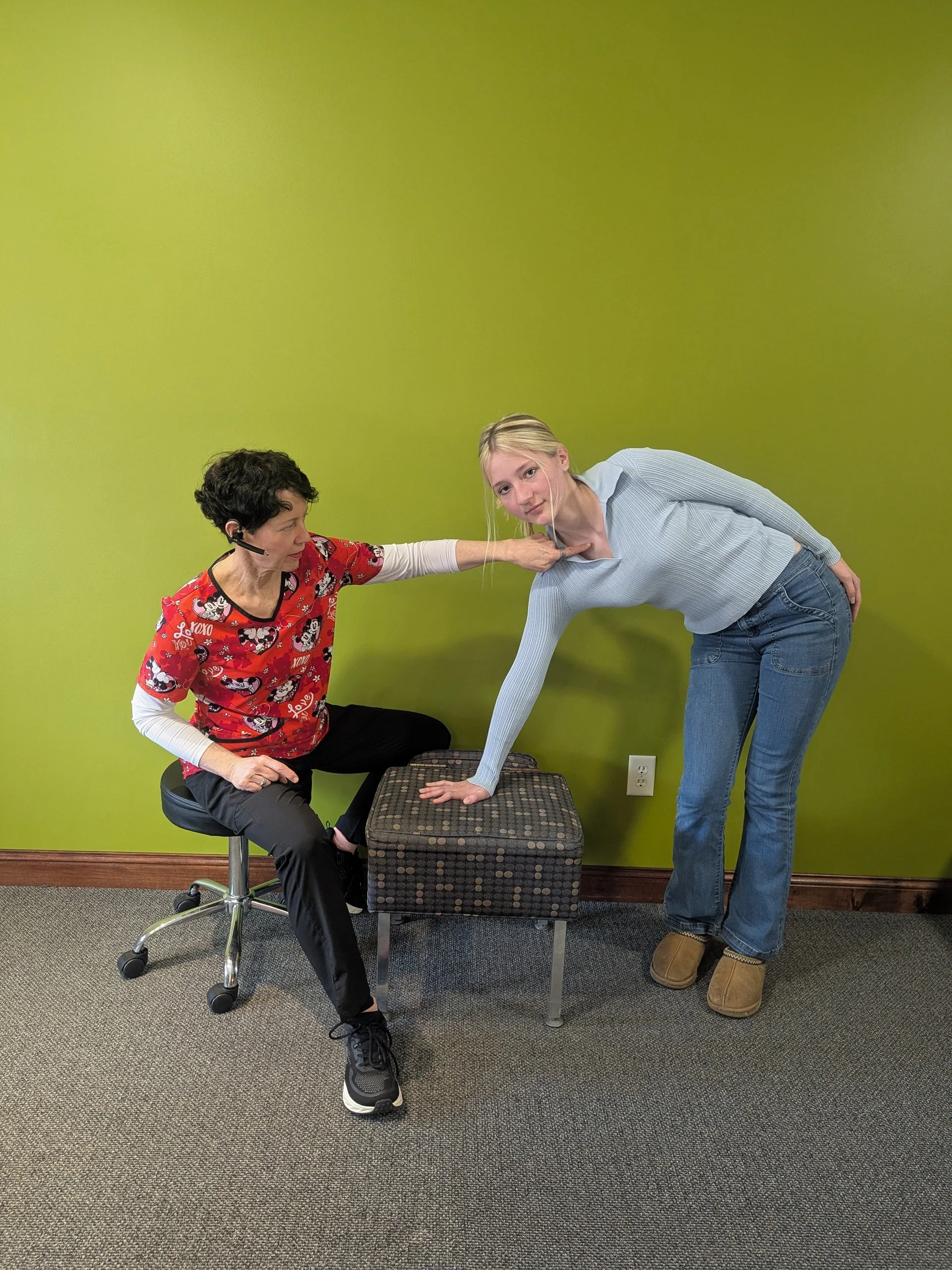
If the source of the entrapment and compression to the dorsal scapular nerve happens to be within the rhomboids, the patient will usually have some degree of luck resolving the issue with local intervention. However some of the patients we see with the most persistent pain pattern of dorsal scapular neuralgia happened to be those patients with entrapment higher up, usually within the mid cervical spine and the scalenes, as the pain can be felt only in the thoracic spine and not alert the patient or the provider to look higher up the nerve source for resolution. The source of the dorsal scapular neuralgia can usually be assessed by manual palpation if carefully applying pinpoint pressure over the area of the C5 nerve root exit, within the middle scalenes, or the levator scapula muscle, and fully reproducing the pain pattern in the thoracic spine. As always, treatment of the problem depends on the location of the problem itself, but for the most part a combination of cervical manual adjustments and specific myofascial nerve entrapment release can usually get the job done.

https://www.youtube.com/watch?v=8cH151cJEaI

Muscle therapy to the head and face

https://www.youtube.com/watch?v=hgMdUJiN9zI

I've been receiving a lot of questions about the soft tissue work we do in the head and face, so decided to write a blog and record a short video as a patient reference and resource.

Head and facial pain can be chronic, debilitating and very hard to treat, and often present with chronic headaches, especially migraine headaches. It does require some detective work to get to the source, and that will often involve the spine, especially the cervical spine, sometimes TMJ. However over time, the cervical spine and the jaw will tend to result in secondary muscular compensation in the superficial layers of the head and face, which become an independent problem that will require its own treatment. As you can see from the photos of my old anatomy books, we have a surprising number of complicated superficial muscular layers throughout our heads. It is probably not something that was much on my radar until the last decade, and probably not even something and became much more specific at treating until the last 5 years, as I started incorporating new tools and techniques that were specific to the very superficial and delicate muscles of the head. But the feedback I have been receiving over and over from patient is that incorporating craniofacial treatment along with cervical treatment results in some pretty dramatic overall improvement, especially seems to decrease the frequency and severity of symptoms return. And it's often a type of therapy that patients have instinctively been seeking, in a bit of a "no man's land" of readily available treatments.

This brief video highlights one common type of treatment using a soft tissue instrument called a guasha blade. The advantage of the instrument is that craniofacial muscles are very thin, with underlying bony structures that require treatment with very little compression over a hard base. The guasha blade can be angulated almost parallel to the cranium, allowing for a very gentle lifting and releasing of the muscle with no compression.

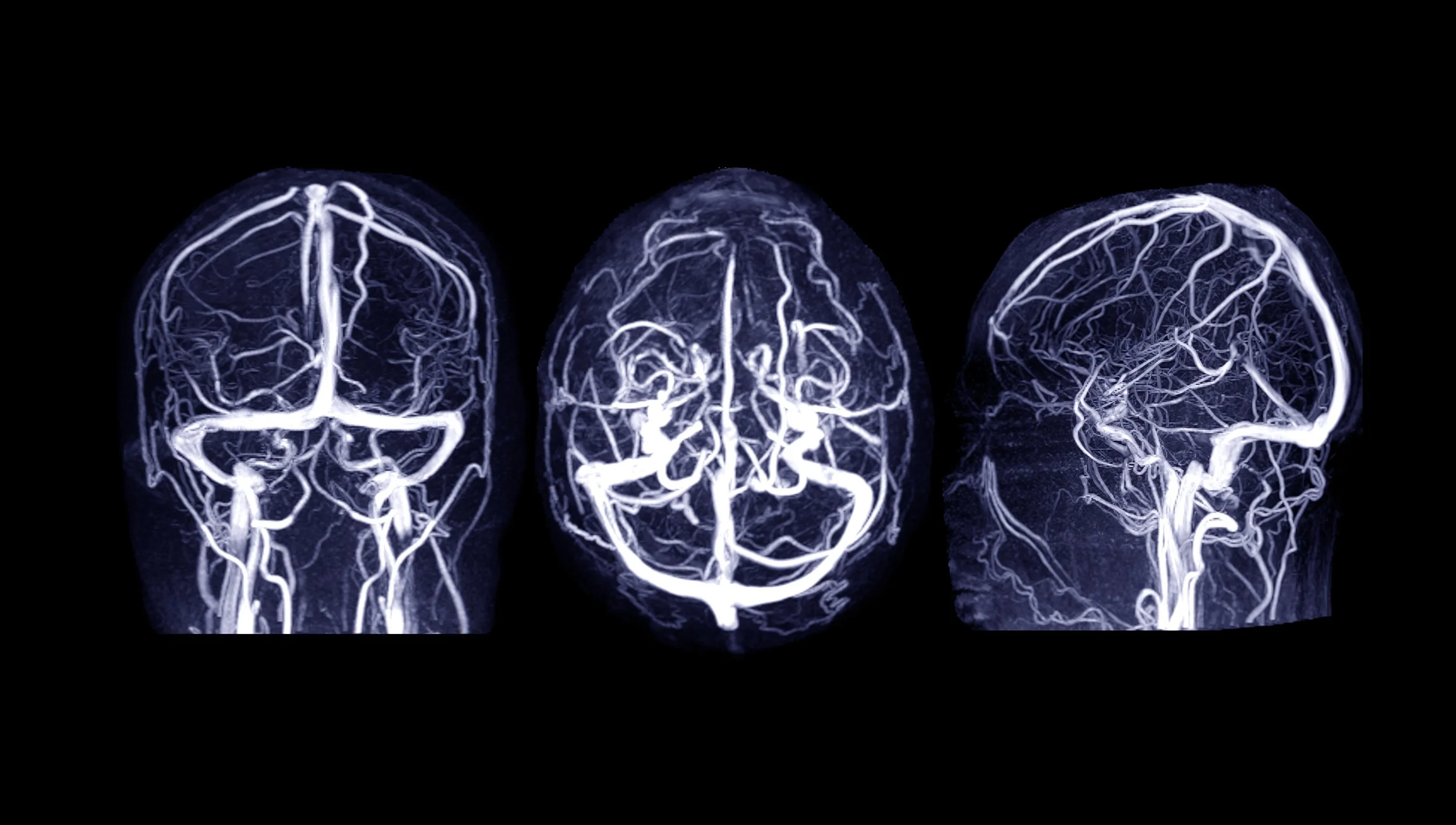
Chiropractic and strokes

I do recall writing one of my 1st blogs on the subject, several years back and before we transitioned our website to the current platform, which scrubbed our older and earlier posts.

One our professional trade associations often puts out an update just before the beginning of May, which is stroke awareness month. I extracted the following information from the latest scientific research review. As I'm drafting this blog, I realized that the topic of stroke in chiropractic does not come on nearly as frequently as he used to. Some of it is probably related to the slow dissemination of the research. The take-home message:

– VBI strokes are extremely rare, affecting between 2 and 3 cents per 100'000.

– These types of stroke happen at the frequency whether the patient has seen a doctor of chiropractic or medical doctor prior to the stroke. Leading the researcher to conclude that early VBI strokes manifest as routine neck pain and headache without any stroke related neurological signs yet, with patient seeking care from a variety of providers during the latent period

– The safety of chiropractic care for the types of condition sst commonly treated in chiropractic offices is remarkable, when compared to other therapies for the same condition provided by different providers. For those of you who are new to the science nerds like me, here are some of the references.

https://www.ncbi.nlm.nih.gov/pmc/articles/PMC4794386/

https://www.ncbi.nlm.nih.gov/pmc/articles/PMC2271108/

https://www.ncbi.nlm.nih.gov/pmc/articles/PMC2271098/


Bend N' Squeak

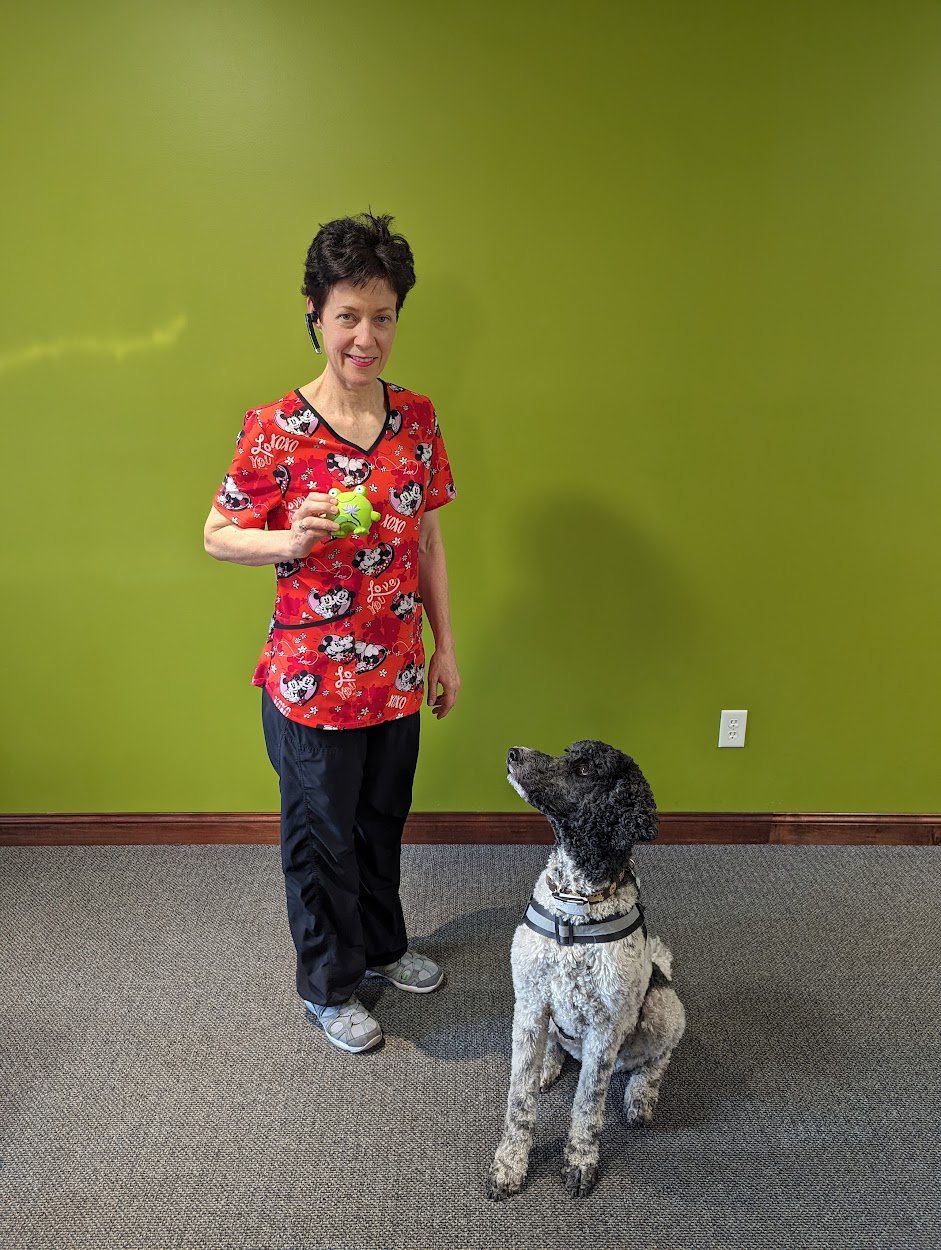
Trying to change patient’s ways of doing body mechanics feels like a long hard road, so I decided to enlist Milou’ s help and favorite squeaky toy to illustrate how to safely bend forward with a flat back

https://www.youtube.com/shorts/SqsChsiKDTM