Head and Face

Tips on winter oral health

A little bit off the chiropractic path but worth a mention because of the number of questions that are starting to come up. Integrative dentistry and oral health somehow has been bubbling up on several of my health podcasts, that I listen to during my daily commute. The oral cavity is unique in that it ties into our respiratory system, and in this matter very much connected to our immunity to airborne pathogens, as well as the beginning of our digestive tract, and in that matter very much connected to our overall digestive health.

While oral health is a year-round issue obviously, underlying problems tend to be accentuated during the winter months because our indoor air quality and dryness.

Before I dive into a few specifics, I obviously want to remind everyone that basic care when it comes to proper nutrition and basic oral cleaning should be your foundation. You do not want to be snacking on starchy or sugary foods and drinks, and you want to make sure you brush your teeth at least twice a day and floss appropriately.

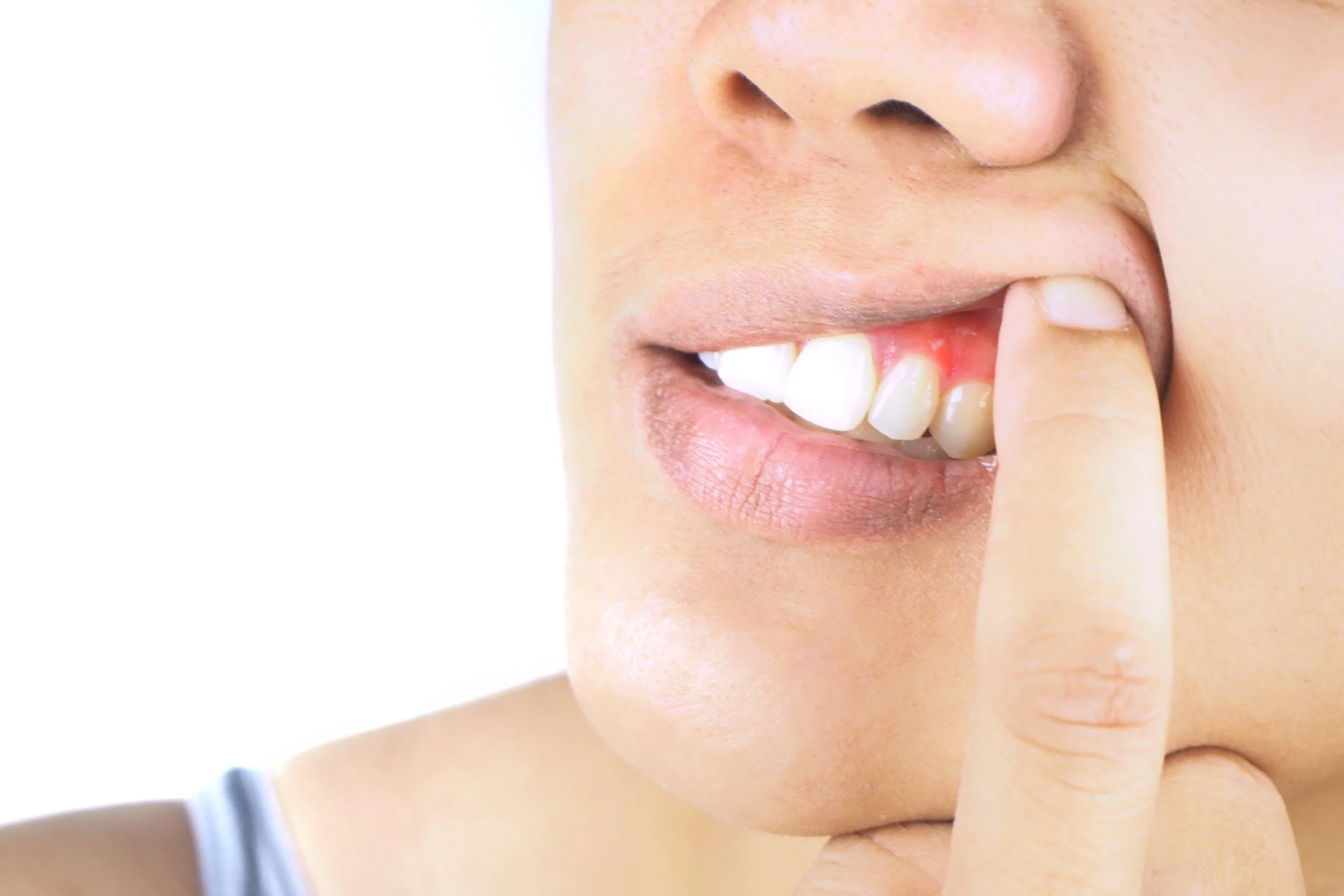
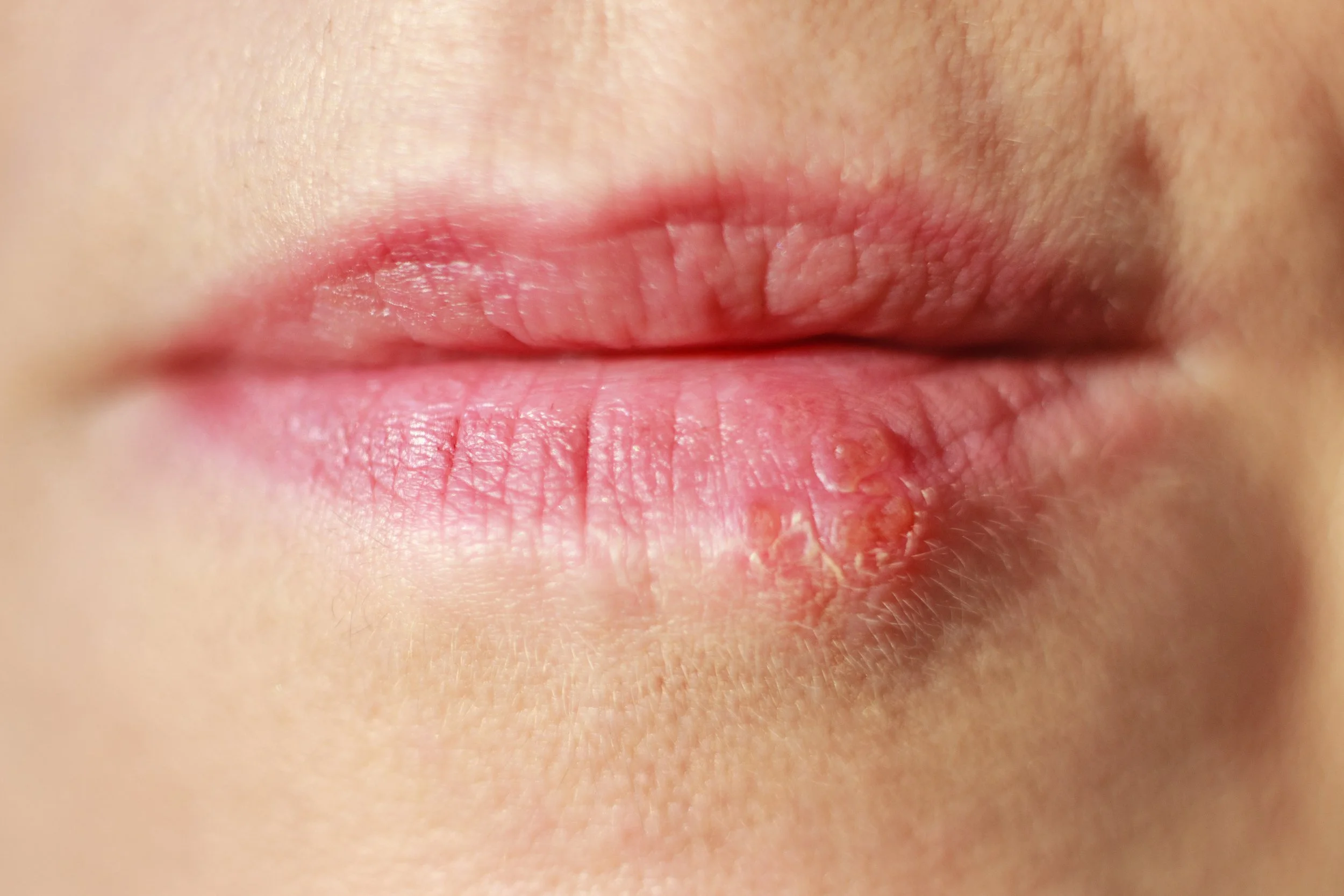
Beyond that, there are a few practical approaches to chronic oral problems, which involve gum irritation, cold sores, poor breath etc.

As a backdrop: the oral cavity is its own very micro biome rich environment under optimal circumstances, very much like the rest of you digestive tract, although the optimal microbial distribution is somewhat different than the lower digestive tract. Some of the same factors that tend to suppress digestive micro biome tend to suppress oral micro biome: unbalanced diet with high process foods especially sugars, food preservatives; carbonated beverages which disrupt the oral pH; artificial sweeteners of any kind that tend to kill of good bacteria (all the sugar alcohols are major problem in that regard and often overlooked, especially in things like gum). Additional factors that are unique to the oral cavity include chronic mouth breathing, which creates abnormal dryness of the oral mucosa and selectively allows non-beneficial gram-negative strains to dominate. Harsh anti-septic such as alcohol-based oral rinses will compound the problems, since they will indiscriminately kill all bacteria including the beneficial ones.

Here are some practical tips to improve your oral health this winter:

– recognize and address mouth breathing. It's a broad category and it sometimes complicated. Practice nose breathing multiple times a day, to break the habit of painting through your mouth. Obviously nasal congestion that prevents or limits nasal breathing can be a difficult and challenging problem over time if you dealing with chronic infections or allergies, but you can still start working on improving the amount of time you breathe through your nose rather than your mouth. You may need to work with a healthcare provider for some underlying root causes including myo functional oral therapist.

– Practice good meal timing habits by trying to have 4-5 hours between meals, wash your mouth or clean your teeth after meals, and limit your intake to water between meals or any unsweetened beverage such as tea or coffee. This will allow you oral micro biome to restore itself between eating.

– Limit or eliminate your use of gums. People do not realize how many of them have artificial sweeteners or other chemicals that kill off normal oral bacteria.

– Use gentle non-alcohol-based oral rinses if needed, but simple salt and water rinsing and gargling may be all you need.

– The acidity of your saliva can be a big contributing factor to problems with gums, lips, and especially canker sores. Ideally you saliva should be at a pH between 6.2 and 7.5. Over acidic saliva is mostly related to dietary imbalances with too much fast acting sugars, however some people are much more predisposed to acidic saliva than others, as evidenced with increased gumline cavities. You can test your saliva away from meals, using over-the-counter pH strips. If you find yourself constantly closer to 6, you can also use baking soda oral rinses to raise the pH. Those can easily be made at home using the following recipe:1 tsp (5 g) of salt and 1 tsp (5 g ) of baking soda in 4 c (1 L) of water

– If dealing with chronic gum or oral infections, supplement your dental care with anti-infectious natural agents. You may need to work with a provider on how to select the right agent, but typically you want to start with something a little stronger, such as anti-infectious essential oil rinses for 2 or 3 weeks, then transition to gentle immune maintenance agents. Some examples would be essential oils of clove, tea tree, oregano for an initial antibacterial treatment, then transitioning to more immune support therapies such as propolis, echinacea etc. There are a lot of over-the-counter available products that target natural oral health that you can leverage. If you are dealing with more chronic viral overgrowth such as cold sores, HSV6, you will spend less time trying to kill off and more time trying to restore your normal oral immunity.

– Oil pulling is a great way to help root out chronic pockets of nonbeneficial bacteria are an infection. You can use something as simple as coconut oil by itself to start out, with an oil pulling time of a minute while you work up the patience and endurance to swish your mouth longer. You should not rinse out your mouth after oil pulling, simply spit out what you have in your mouth and let the rest coat you oral cavity to prevent dryness. If you're concerned about a severe infection to start out, rinse your mouth and then take 1/2 teaspoon of coconut oil in your mouth and let it dissolve in your mouth without spitting it out. You can also add 1 or 2 drops of your essential oil to your coconut oil.

– Oral probiotics are becoming readily available over-the-counter. They are the equivalent for the oral cavity of what a traditional digestive probiotic is for your lower intestines. They target strains that are more prevalent in the mouth. Once you have cleaned out infections and pathogenic bacteria, it's a great way to prevent a reinfection and re-colonize your mouth with a stable oral micro biome. You probably only need to do them once a day initially for 6 weeks, then twice a week for maintenance.

– For some people with unique oral challenges (certain immune modulating medications that we can soft tissue such as autoimmune Biologics, certain long-term chemotherapy agents, post radiation etc.), you may need to consider oral red light therapy. There are some over-the-counter device at a very affordable price point nowadays, which you can purchase with your HSA, which offer red and blue light therapy known to control surface infections as well as increase soft tissue repair.

CHIROPRACTIC, DIZZINESS AND NECK PROBLEMS

I have had a little bit of time recently to look through some research articles that were backlogged in my reading list. I found a couple real gems in the process.

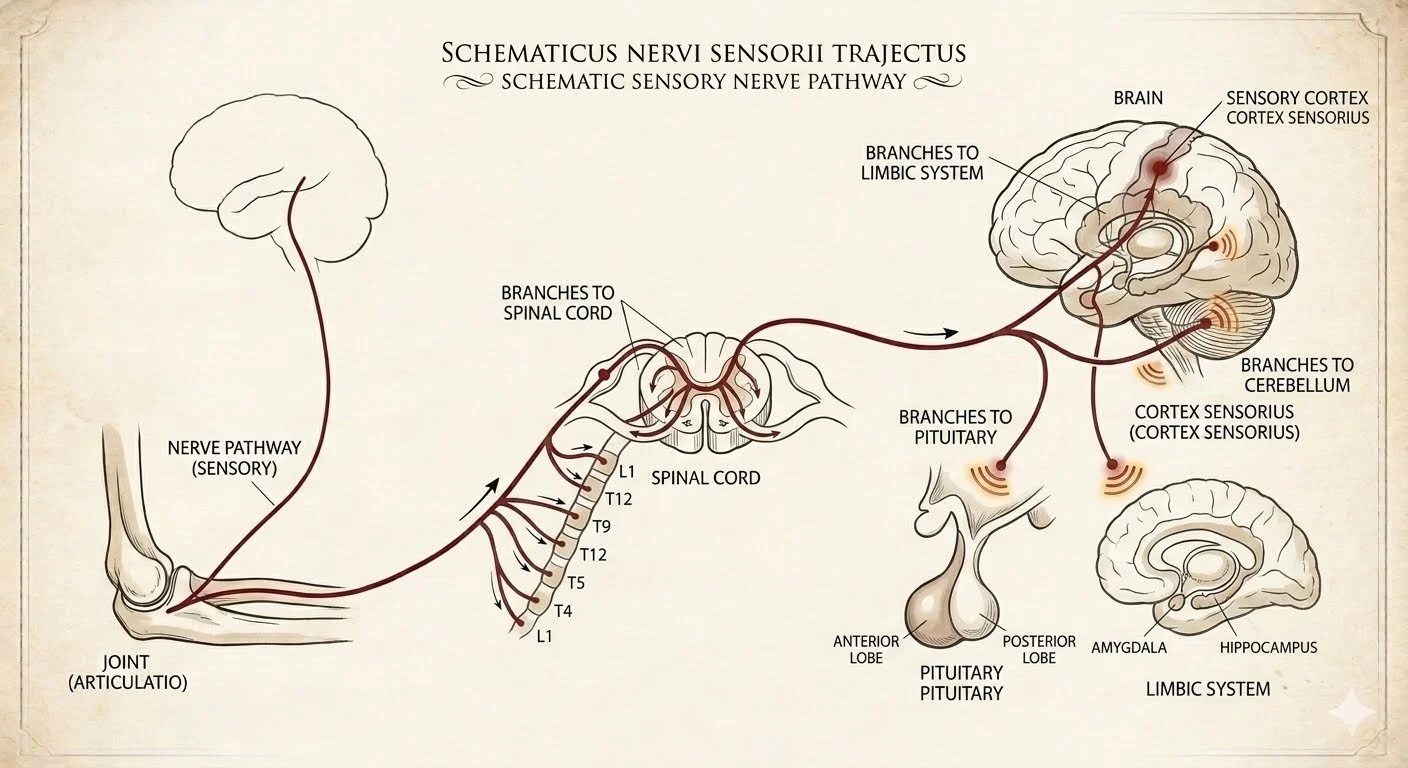
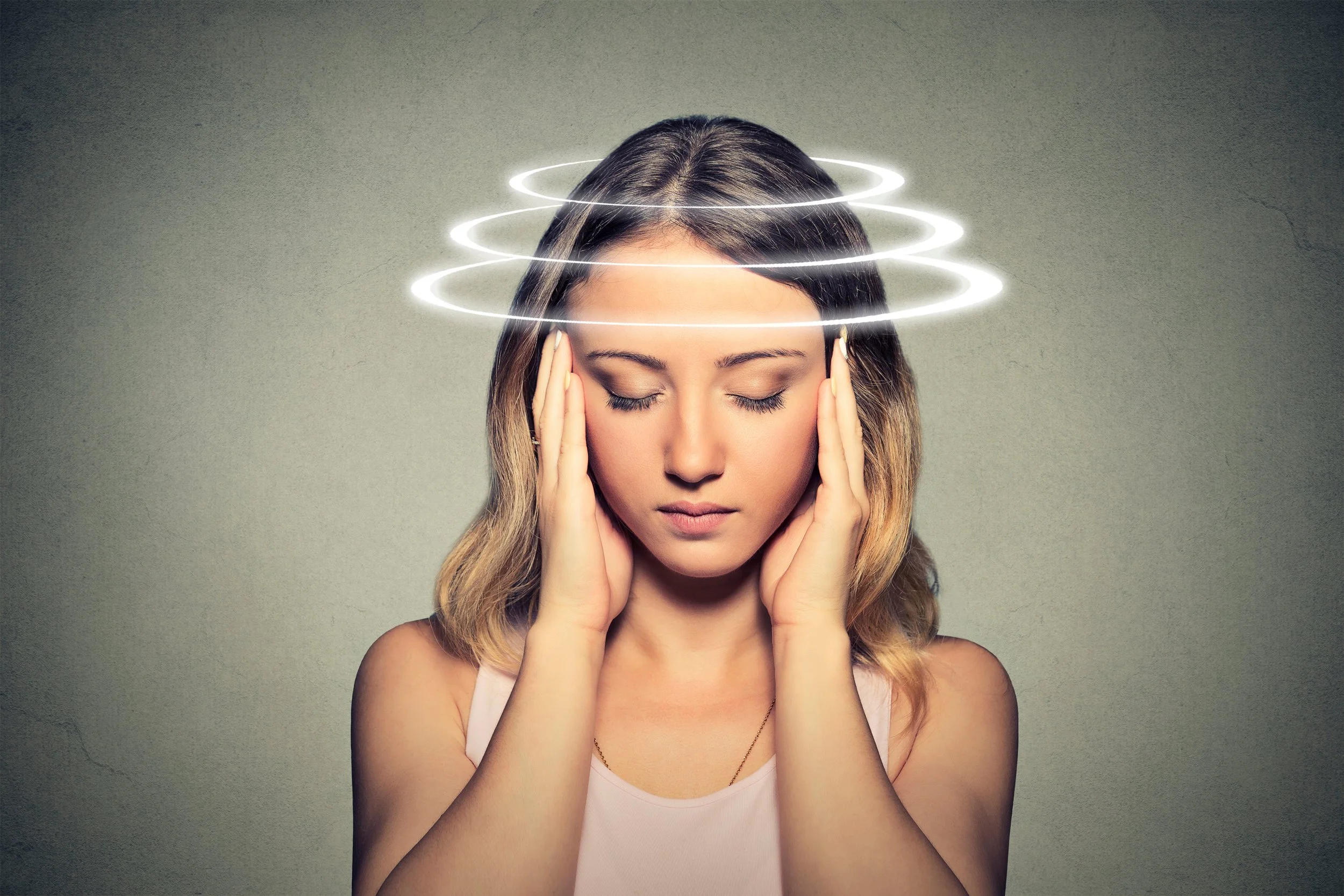
The prevalence of dizziness in patients presenting for chiropractic care with neck and shoulder pain is remarkably high. It's not usually the primary complaint,but is mentioned when we are asking about additional associated symptoms such as headaches visual changes dizziness tingling and hearing changes. Dizziness is surprisingly common with neck pain. There is a good physiological reason for that: the balance centers in the brain receive information from a variety of structures including the inner ear, the feet and ankle, and the cervical facet joints, which are highly affected by the irritation of mechanical disturbances to the cervical spine.

When the balance centers try to integrate information from the various peripheral sensors, if one part of the system sends faulty sensory information that  conflicts with what the inner ear, the visual system and the feet are reporting, It's going to be manifest as confusion in the balance centers and can be expressed as a sensation of dizziness. This is the primary mechanism by which cervical mechanical problems can manifest as a sensation of dizziness. Conversely, the resolution of that faulty sensory information from the cervical facets by manual adjustments can reset the sensory input and make it fully integrate with the rest of the peripheral sensors , thus resolving the symptoms of dizziness.

This research article reflects that reality, with a surprisingly high number of patients reporting resolution of the dizziness from chiropractic intervention while traditional medical evaluation and pharmacological approach does not. It's good news for the chiropractic patient.  Not so much for those of us who have been working in the chiropractic field for a few decades, but it was somewhat of a surprise to the researchers who ran the study.

https://pubmed.ncbi.nlm.nih.gov/26362851/

BAROMETRIC PRESSURE, PAIN AND MIGRAINE HEADACHES

I am almost seeing the light at the end of the tunnel on my weather app. We have literally been rolling in form 1 storm system into the next for 10 days now, and while I am quite exhausted by the amount of wet dog smells and residues that this has brought into my house, I realize this is a minor problem compared to what some of our patients have been experiencing in that timeframe.

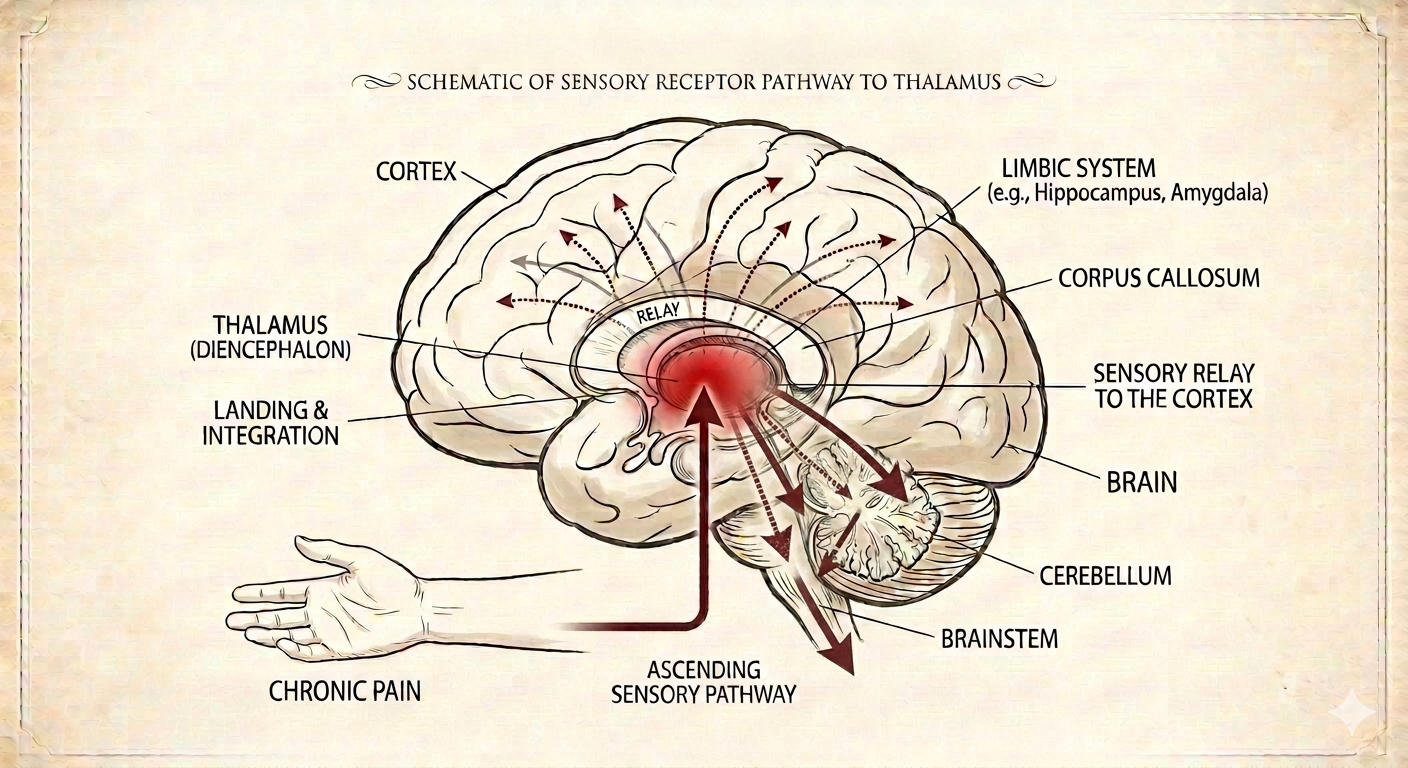
Some patients have conditions that are significantly flared up by sudden severe or prolonged drop in barometric pressures that are associated with storm systems. It used to be considered an "old wives tales"that people could predict upcoming bad weather with the arthritic joints. Modern science has finally caught up with that erroneous assumption. We now know that some of the sensory receptors that are found in many of our joint capsules, whose job it is to send off positional signal to our balance centers, can be expressed in much higher numbers in previously damaged joints, and can have a lower firing threshold over time. This essentially can turn a body part into a mini barometer, and at times more accurate than the weatherman.

The 2 patient populations that seem to be most affected by these barometric pressure changes (there are actually several more but I do encounter them much less commonly), are patients with posttraumatic or osteoarthritis related joint hypersensitivity, as well as patients with migraine disorders.

The scenario often goes as follows: patient has had a serious trauma to the spine or an extremity joint like the knee or wrist, (trauma can be physical trauma or something like surgery), and noticed over time that the joint pain seems to flareup independent of any normally aggravating activities, but seem to coincide with a 12 – 36 hour window before a major storm event. For migraine patients, every other trigger being equal, they are much more likely to start a migraine cycle prior to a major weather event, or with successive storms as we've had recently. The mechanism of action in migraine patients is a little different than for patients with posttraumatic joint sensitivity. Many migraine patients have poor autonomic function, leading to abnormal vasodilation and vasoconstriction. For migraine patients, especially female patients who have a tendency to experience lower blood pressure, the low barometric pressure increases vasodilation, slightly lowers blood pressure, which can be enough of a drop in oxygen concentration in cerebral blood flow to push them over into the beginning of a migraine. Quite interestingly, I recently polled several of my chronic female migraine patients who have barometric sensitivity to find out what the cutoff seems to be for them, (you can find out the barometric pressure on just about any weather app), and it's been remarkably consistent between 28 and 30 mg.

The bigger question looming in everyone's mind is what you can do about it. It's no fun living at the whim of storm systems.

There is no great miracle solution for your body having rewired your peripheral sensory system, but there are couple of tools in the toolbox that may be useful to try

First, most of our chiropractic patients have empirically figured out that scheduling a chiropractic visit in the early phase of the symptoms will ward off the severity of the pain flare up. The chiropractic adjustments help mitigate the amount of fluid pooling that comes with loss of normal joint motion, normalizes joint position sensor activity, and in the case of migraines, stimulates a better autonomic feedback loop.

For joints including the spine, light compression can offset the drop in barometric pressure. Appropriate compression sleeves seem to be helpful for a lot of people. You have to find one that fits comfortably on the body area affected, one that you can wear during your normal activities without problem. There are many brands available and the scope of this blog is not to list them, but I have consistently heard good results from patient to use the copper infused compression type. They do have some options for the spine such as trunk sleeves, which will fit over the low back, and they often have compression base layers that can do the same thing. I would have to say that the cervical spine can be the harder area to fit with a good compression support.

Things are much trickier for patients with migraine disorders. However I would say that compression is also a really useful to to maintain blood pressure, and can be used in the form of compression stockings in the lower extremity (preventing fluid pooling in the lower extremity and maintaining normal circulatory volume), as well as a compression shirts. In addition, anything that can help maintain blood pressure above 100 systolic is helpful: increasing natural salt and electrolytes intake every 2 or 3 hours with proper hydration at the beginning of a migraine cycle, nitric oxide supplementation to improve peripheral delivery of oxygen to the brain, certain of autonomic/vagal breathing exercises to improve proper vasoconstriction feedback loop. Some patients seem to respond favorably to caffeine -containing product to temporarily increase the blood pressure.

While we wait for the last of the storms to clear up, think about how you may be able to incorporate some of these new tools in self care to be less susceptible to the whims of the weather.

Muscle therapy to the head and face

https://www.youtube.com/watch?v=hgMdUJiN9zI

I've been receiving a lot of questions about the soft tissue work we do in the head and face, so decided to write a blog and record a short video as a patient reference and resource.

Head and facial pain can be chronic, debilitating and very hard to treat, and often present with chronic headaches, especially migraine headaches. It does require some detective work to get to the source, and that will often involve the spine, especially the cervical spine, sometimes TMJ. However over time, the cervical spine and the jaw will tend to result in secondary muscular compensation in the superficial layers of the head and face, which become an independent problem that will require its own treatment. As you can see from the photos of my old anatomy books, we have a surprising number of complicated superficial muscular layers throughout our heads. It is probably not something that was much on my radar until the last decade, and probably not even something and became much more specific at treating until the last 5 years, as I started incorporating new tools and techniques that were specific to the very superficial and delicate muscles of the head. But the feedback I have been receiving over and over from patient is that incorporating craniofacial treatment along with cervical treatment results in some pretty dramatic overall improvement, especially seems to decrease the frequency and severity of symptoms return. And it's often a type of therapy that patients have instinctively been seeking, in a bit of a "no man's land" of readily available treatments.

This brief video highlights one common type of treatment using a soft tissue instrument called a guasha blade. The advantage of the instrument is that craniofacial muscles are very thin, with underlying bony structures that require treatment with very little compression over a hard base. The guasha blade can be angulated almost parallel to the cranium, allowing for a very gentle lifting and releasing of the muscle with no compression.

Orthodontics and Headaches

I had 2 similar cases since the beginning of the year that made me realize it would probably worth blogging about it to let the word out. Pediatric and adolescent headaches can be frustrating to figure out. Often the easy causes have already been ruled out by the time they show up in the office.

I wanted to talk about one very specific type of headaches often affecting our young teens. These headaches tend to affect one side of the face, usually one side but sometimes both, tend to be in the temporal area, sometimes behind the eye. The pattern is random, coming in cyclical episodes that come and go. There is no other associated trigger identified, from diet, sleep, stress, cervical spine, food, etc. The only matter in which I was able to successfully identify them and treat them was in some patients for whom the location was very close to the jaw, and there was some mild painful information along the soft tissues on the side of the head. However when doing some intraoral palpation along the posterior muscles of mastication, I was able to reproduce quite a bit of the lateral headache pain pattern by findings trigger points of the posterior internal muscles of the jaw.

Some orthodontic treatments will require pretty aggressive positional changes of the lower jaw in relationship to the upper jaw, as well as some lateral shifting. This will obviously result in better long-term alignment for the purpose of not only cosmetics but also proper chewing and occlusion, and sometimes improved airway opening. However the transient stress on existing particular structures of the jaw and supporting muscles of mastication can be symptomatic in the form of headaches and the distribution of the intraoral muscles, while the jaw itself can be minimally painful during normal activities such as talking and chewing.

In the case of both patients, once we isolated the pain producing source of the headaches, we were able to track back the cyclical episodes more or less following the adjustment of the patient's orthodontics, usually 5 to 7 days after tightening the braces or adding internal banding between the top and lower jaw. The combination of trigger point therapy in the internal muscles of the jaw, gentle joy adjustment and other soft tissue supporting measures seem to be quite helpful at relieving the transient headaches episode.

COLD AND NECK PAIN

I blogged about this more extensively a few years ago, but this polar vortex is worth at least a brief reminder of an overlooked fact: exposure to cold windy conditions can aggravate neck pain, especially for patients with underlying moderate degeneration and post traumatic scar tissue formation in the collagen of ligaments and muscle fascial layers.

Cold and wind exposure results in two phenomenons : vasoconstriction i.e. diminished blood flow to superficial tissues as the body tries to conserve energy for core organs, and protective posture of the neck and shoulders: hunched forward with trapezium muscles drawn up to your ears. Neither of which is helpful for chronic neck pain.

Remember to keep your cervical spine covered with an additional layer of warmth and insulation. A good neck gaiter, scarf, turtle neck or fully zipped up collar is all it takes.