

A little bit off the chiropractic path but worth a mention because of the number of questions that are starting to come up. Integrative dentistry and oral health somehow has been bubbling up on several of my health podcasts, that I listen to during my daily commute. The oral cavity is unique in that it ties into our respiratory system, and in this matter very much connected to our immunity to airborne pathogens, as well as the beginning of our digestive tract, and in that matter very much connected to our overall digestive health.
While oral health is a year-round issue obviously, underlying problems tend to be accentuated during the winter months because our indoor air quality and dryness.
Before I dive into a few specifics, I obviously want to remind everyone that basic care when it comes to proper nutrition and basic oral cleaning should be your foundation. You do not want to be snacking on starchy or sugary foods and drinks, and you want to make sure you brush your teeth at least twice a day and floss appropriately.
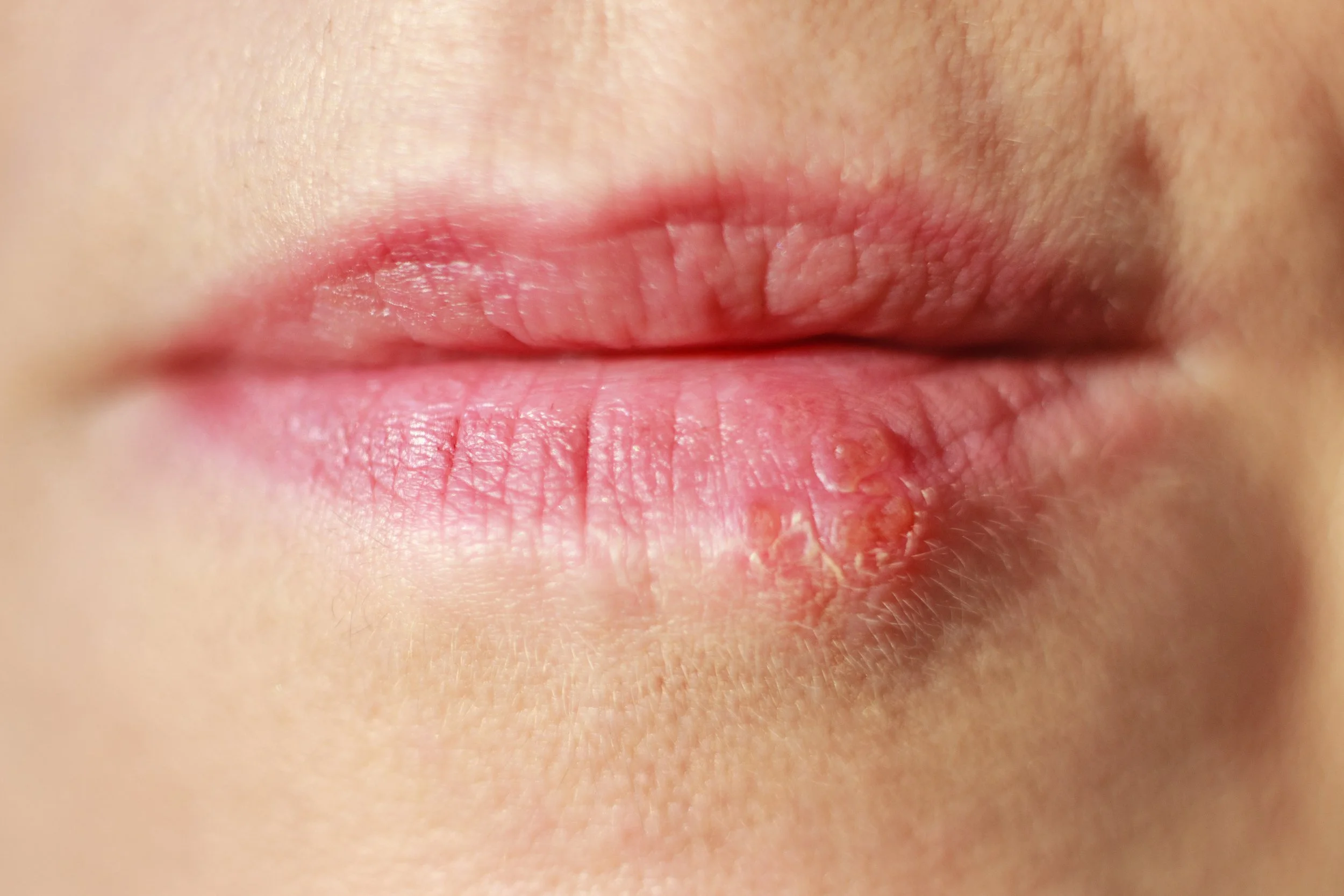
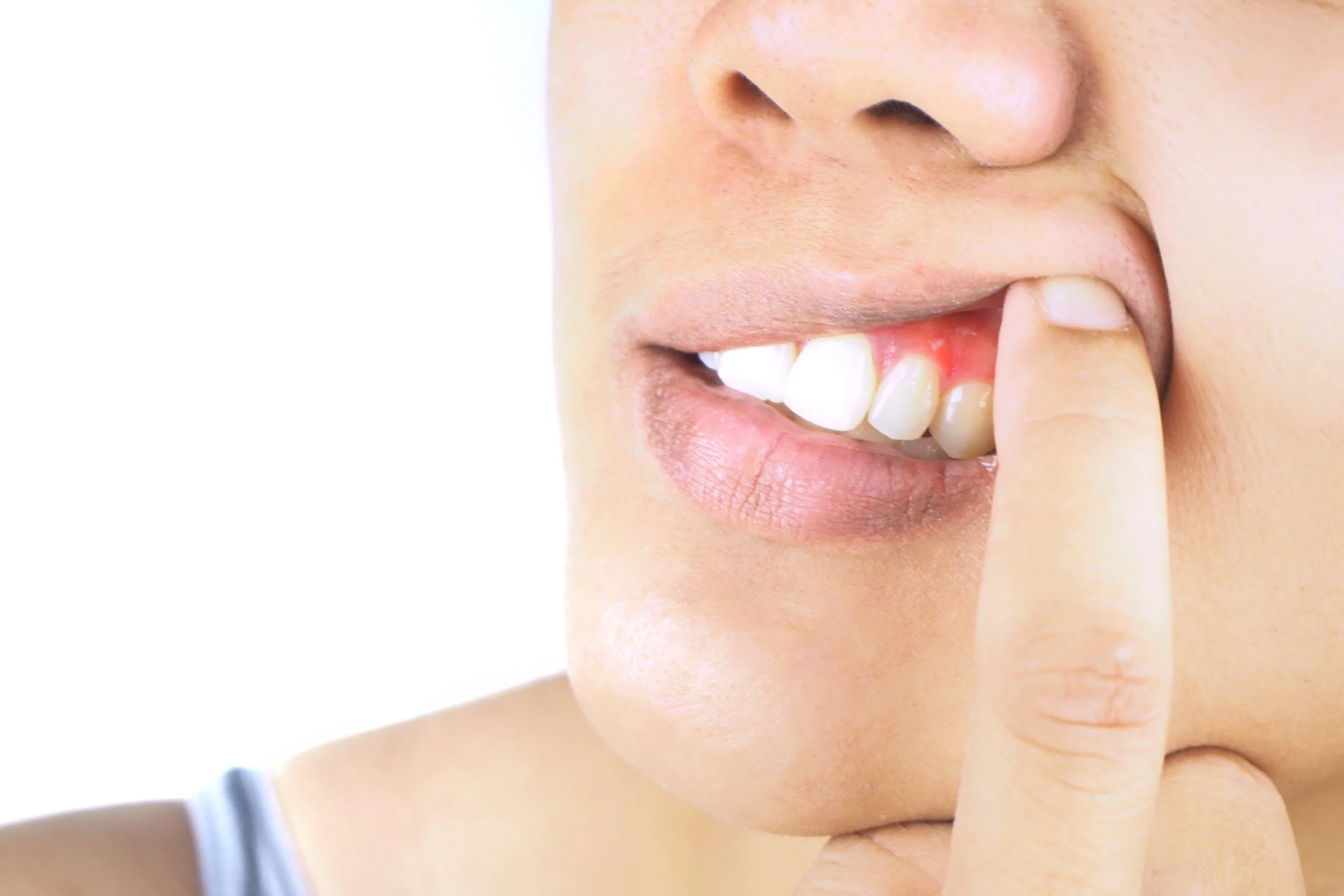
Beyond that, there are a few practical approaches to chronic oral problems, which involve gum irritation, cold sores, poor breath etc.
As a backdrop: the oral cavity is its own very micro biome rich environment under optimal circumstances, very much like the rest of you digestive tract, although the optimal microbial distribution is somewhat different than the lower digestive tract. Some of the same factors that tend to suppress digestive micro biome tend to suppress oral micro biome: unbalanced diet with high process foods especially sugars, food preservatives; carbonated beverages which disrupt the oral pH; artificial sweeteners of any kind that tend to kill of good bacteria (all the sugar alcohols are major problem in that regard and often overlooked, especially in things like gum). Additional factors that are unique to the oral cavity include chronic mouth breathing, which creates abnormal dryness of the oral mucosa and selectively allows non-beneficial gram-negative strains to dominate. Harsh anti-septic such as alcohol-based oral rinses will compound the problems, since they will indiscriminately kill all bacteria including the beneficial ones.
Here are some practical tips to improve your oral health this winter:
– recognize and address mouth breathing. It's a broad category and it sometimes complicated. Practice nose breathing multiple times a day, to break the habit of painting through your mouth. Obviously nasal congestion that prevents or limits nasal breathing can be a difficult and challenging problem over time if you dealing with chronic infections or allergies, but you can still start working on improving the amount of time you breathe through your nose rather than your mouth. You may need to work with a healthcare provider for some underlying root causes including myo functional oral therapist.
– Practice good meal timing habits by trying to have 4-5 hours between meals, wash your mouth or clean your teeth after meals, and limit your intake to water between meals or any unsweetened beverage such as tea or coffee. This will allow you oral micro biome to restore itself between eating.
– Limit or eliminate your use of gums. People do not realize how many of them have artificial sweeteners or other chemicals that kill off normal oral bacteria.
– Use gentle non-alcohol-based oral rinses if needed, but simple salt and water rinsing and gargling may be all you need.
– The acidity of your saliva can be a big contributing factor to problems with gums, lips, and especially canker sores. Ideally you saliva should be at a pH between 6.2 and 7.5. Over acidic saliva is mostly related to dietary imbalances with too much fast acting sugars, however some people are much more predisposed to acidic saliva than others, as evidenced with increased gumline cavities. You can test your saliva away from meals, using over-the-counter pH strips. If you find yourself constantly closer to 6, you can also use baking soda oral rinses to raise the pH. Those can easily be made at home using the following recipe:1 tsp (5 g) of salt and 1 tsp (5 g ) of baking soda in 4 c (1 L) of water
– If dealing with chronic gum or oral infections, supplement your dental care with anti-infectious natural agents. You may need to work with a provider on how to select the right agent, but typically you want to start with something a little stronger, such as anti-infectious essential oil rinses for 2 or 3 weeks, then transition to gentle immune maintenance agents. Some examples would be essential oils of clove, tea tree, oregano for an initial antibacterial treatment, then transitioning to more immune support therapies such as propolis, echinacea etc. There are a lot of over-the-counter available products that target natural oral health that you can leverage. If you are dealing with more chronic viral overgrowth such as cold sores, HSV6, you will spend less time trying to kill off and more time trying to restore your normal oral immunity.
– Oil pulling is a great way to help root out chronic pockets of nonbeneficial bacteria are an infection. You can use something as simple as coconut oil by itself to start out, with an oil pulling time of a minute while you work up the patience and endurance to swish your mouth longer. You should not rinse out your mouth after oil pulling, simply spit out what you have in your mouth and let the rest coat you oral cavity to prevent dryness. If you're concerned about a severe infection to start out, rinse your mouth and then take 1/2 teaspoon of coconut oil in your mouth and let it dissolve in your mouth without spitting it out. You can also add 1 or 2 drops of your essential oil to your coconut oil.
– Oral probiotics are becoming readily available over-the-counter. They are the equivalent for the oral cavity of what a traditional digestive probiotic is for your lower intestines. They target strains that are more prevalent in the mouth. Once you have cleaned out infections and pathogenic bacteria, it's a great way to prevent a reinfection and re-colonize your mouth with a stable oral micro biome. You probably only need to do them once a day initially for 6 weeks, then twice a week for maintenance.
– For some people with unique oral challenges (certain immune modulating medications that we can soft tissue such as autoimmune Biologics, certain long-term chemotherapy agents, post radiation etc.), you may need to consider oral red light therapy. There are some over-the-counter device at a very affordable price point nowadays, which you can purchase with your HSA, which offer red and blue light therapy known to control surface infections as well as increase soft tissue repair.