
chronic pain

CHIROPRACTIC, CHRONIC PAIN AND THE BRAIN PART 3: new strategies for the brain

In this section I would like to review some important concepts on how we treat chronic pain differently than acute pain, with the understanding that this is a vast complex and evolving field, and we will only be able to touch on the surface in this blog entry. In this section I will focus on how we understand the brain's reaction to chronic pain, while focusing on how we need to modify body care approaches in the following section.

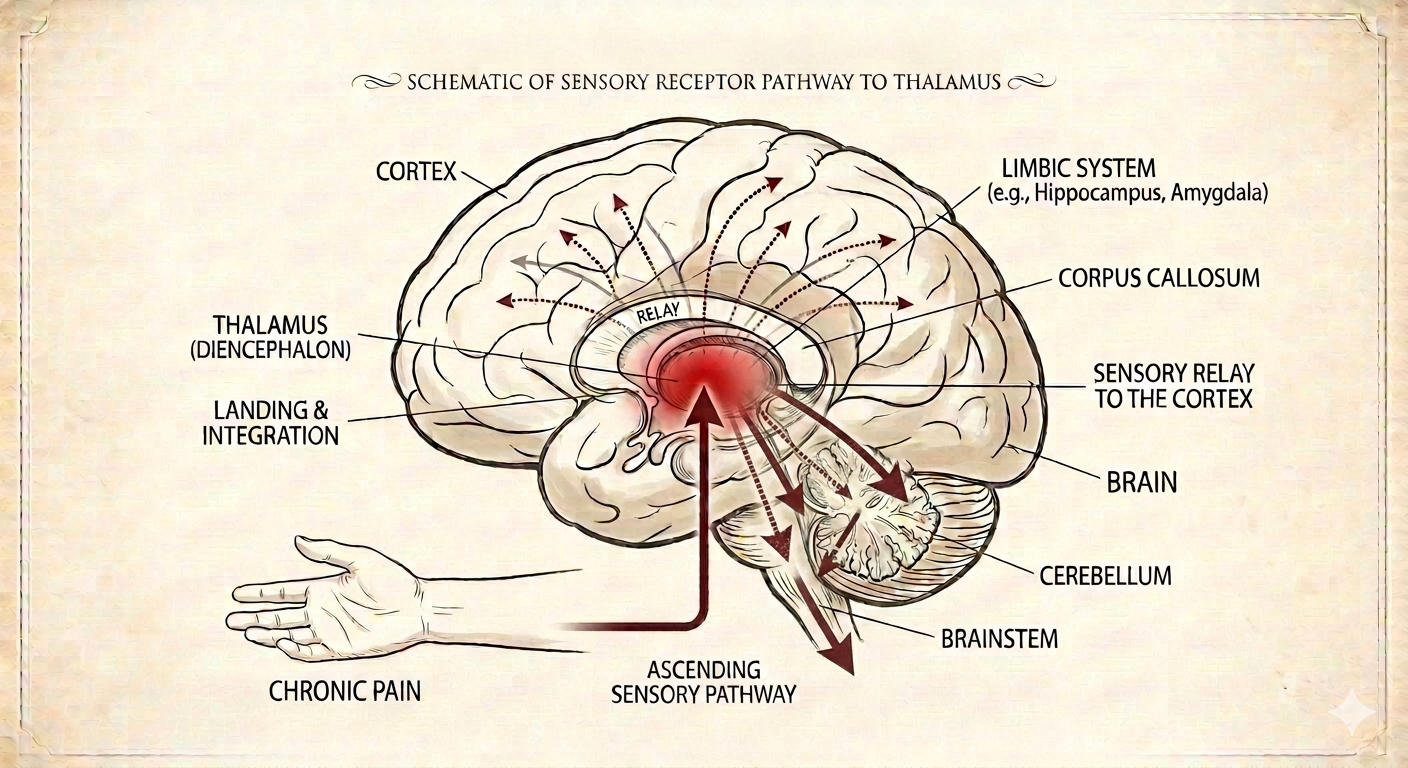
In section 2 we discussed how chronic pain is transmitted differently and more "efficiently" to the brain, with much more signal ramification into other parts of the brain as well. Meaning that chronic pain can be triggered with minimal sensory input, and is more perpetuated and activated at the level of the brain itself by other functions and parts of the brain. As a result, you really need to think about how well all of your brain is functioning when you're trying to manage chronic pain.

Brain nutrition and biochemistry: this is often overlooked in chronic pain. Making sure that the "chemical soup" of the brain is optimized to minimize inflammation, nutritional insufficiencies. Some low hanging fruit to improve your brain's response to chronic pain would be making sure that you stay away from oxidized fats (pretty much all refined seed oils of modern processed foods like sunflower oil, safflower oil, canola oil, etc.), focusing on whole foods complex fat and essential fatty acid from the fish and seafood family. Making sure you have adequate amounts of protein, optimizing vitamin D levels, electrolytes such as potassium and magnesium especially (involved in brain energy production and sustenance), minimizing blood sugar fluctuations by staying away from refined carbohydrates, making sure you have adequate amount of whole foods antioxidants, and staying away from ultra processed food since most of these food additives are known to be excitatory and inflammatory to the brain.

Of special note is a nutrient that we often do not think of as such for the brain which is oxygen. Chronic pain can often be associated with down regulation of the autonomic vascular system, meaning that we tend to have decreased blood flow perfusion to all parts of our bodies but especially to the central nervous system. Mild regular cardiovascular aerobic activity that gets your heart rate above 100 is really important in that regard, as is basic breath works. Making sure you don't have chronic low-grade anemia, or reduced oxygen availability from smoking and vaping for example. Patients taking certain medications that are associated with decreased blood flow to the central nervous system will need to discuss the specifics on how best to mitigate those problem with the individual provider.

Stress: the physiological impact of stress on the brain is widespread and underestimated when it comes to chronic pain. But there's almost a 1:1 correlation between stress increase and chronic pain increase, so you really never are going to manage one without managing the other. It will look differently in individual people. Sometimes we need to 1st take a stock of the stress and look at practical strategies so that we can start making some cuts, while concurrently increasing patients coping resources towards the inevitable stress burden of real life.

Sleep: suboptimal sleep is also almost a 1:1 driver of poor chronic pain management and resolution. It's also a self-perpetuating vicious cycle since chronic pain tends to disrupt sleep, and poor sleep tends to worsen chronic pain. It's also important to realize that most people will easily reach for heavy-duty pharmacological interventions for sleep disruption, (not only medication but things like over-the-counter antihistamines, CBD/THC, melatonin etc.), which may backfire because of suppressing normal brain adaptative mechanism over time. It's surprising to me how many people still practice poor sleep hygiene in spite of widespread data available from Dr. Google, (simple things such reducing your screen exposure in the evening is still very hard to achieve for most people). So as a starting place, you may want to take a simple inventory of your sleep hygiene habits and start making some changes. Other changes such as sleeping positions, mattresses, temperature, supplementation may need to be individualized with your healthcare provider. I have found it helpful to look at tracking device for overall sleep quality when making changes, to make sure that you focusing your efforts on things that actually pay off for you.

BAROMETRIC PRESSURE, PAIN AND MIGRAINE HEADACHES

I am almost seeing the light at the end of the tunnel on my weather app. We have literally been rolling in form 1 storm system into the next for 10 days now, and while I am quite exhausted by the amount of wet dog smells and residues that this has brought into my house, I realize this is a minor problem compared to what some of our patients have been experiencing in that timeframe.

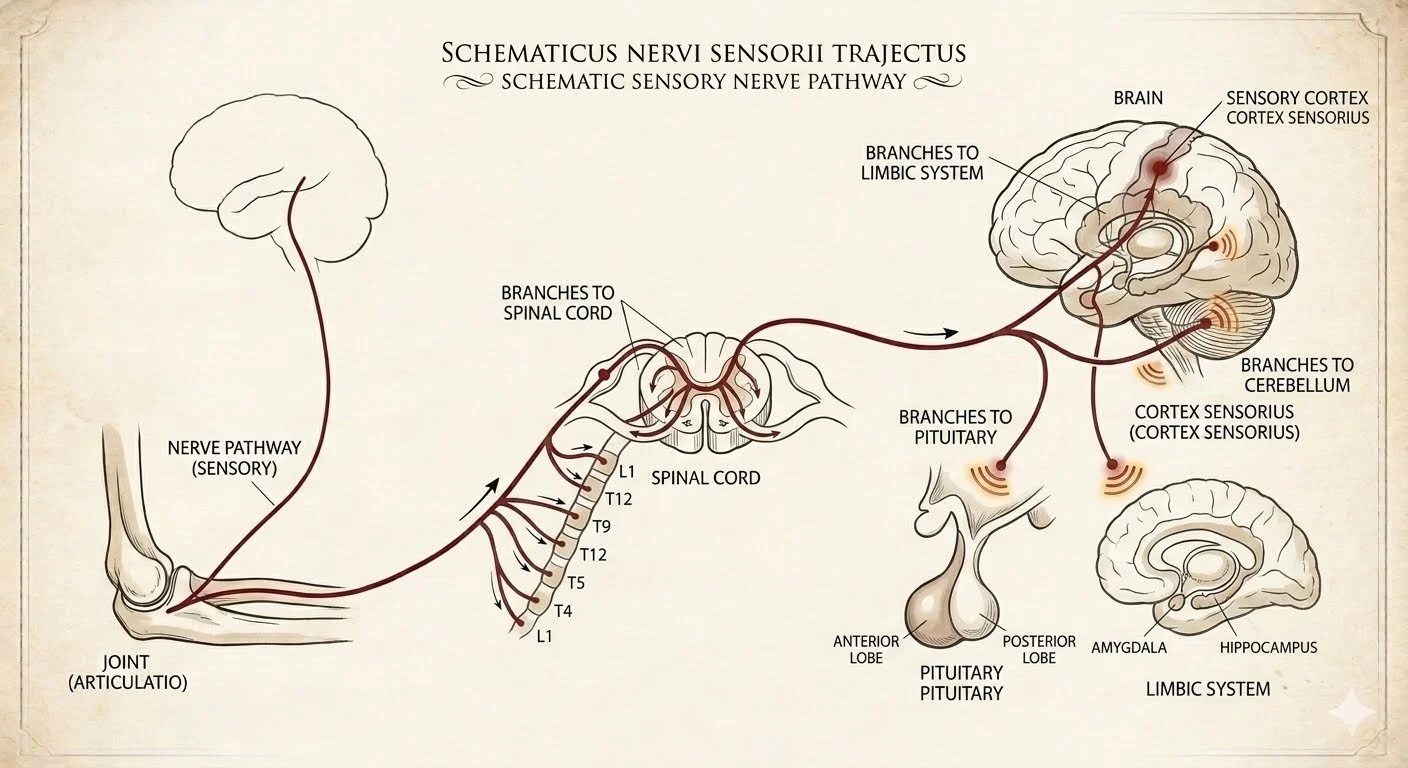
Some patients have conditions that are significantly flared up by sudden severe or prolonged drop in barometric pressures that are associated with storm systems. It used to be considered an "old wives tales"that people could predict upcoming bad weather with the arthritic joints. Modern science has finally caught up with that erroneous assumption. We now know that some of the sensory receptors that are found in many of our joint capsules, whose job it is to send off positional signal to our balance centers, can be expressed in much higher numbers in previously damaged joints, and can have a lower firing threshold over time. This essentially can turn a body part into a mini barometer, and at times more accurate than the weatherman.

The 2 patient populations that seem to be most affected by these barometric pressure changes (there are actually several more but I do encounter them much less commonly), are patients with posttraumatic or osteoarthritis related joint hypersensitivity, as well as patients with migraine disorders.

The scenario often goes as follows: patient has had a serious trauma to the spine or an extremity joint like the knee or wrist, (trauma can be physical trauma or something like surgery), and noticed over time that the joint pain seems to flareup independent of any normally aggravating activities, but seem to coincide with a 12 – 36 hour window before a major storm event. For migraine patients, every other trigger being equal, they are much more likely to start a migraine cycle prior to a major weather event, or with successive storms as we've had recently. The mechanism of action in migraine patients is a little different than for patients with posttraumatic joint sensitivity. Many migraine patients have poor autonomic function, leading to abnormal vasodilation and vasoconstriction. For migraine patients, especially female patients who have a tendency to experience lower blood pressure, the low barometric pressure increases vasodilation, slightly lowers blood pressure, which can be enough of a drop in oxygen concentration in cerebral blood flow to push them over into the beginning of a migraine. Quite interestingly, I recently polled several of my chronic female migraine patients who have barometric sensitivity to find out what the cutoff seems to be for them, (you can find out the barometric pressure on just about any weather app), and it's been remarkably consistent between 28 and 30 mg.

The bigger question looming in everyone's mind is what you can do about it. It's no fun living at the whim of storm systems.

There is no great miracle solution for your body having rewired your peripheral sensory system, but there are couple of tools in the toolbox that may be useful to try

First, most of our chiropractic patients have empirically figured out that scheduling a chiropractic visit in the early phase of the symptoms will ward off the severity of the pain flare up. The chiropractic adjustments help mitigate the amount of fluid pooling that comes with loss of normal joint motion, normalizes joint position sensor activity, and in the case of migraines, stimulates a better autonomic feedback loop.

For joints including the spine, light compression can offset the drop in barometric pressure. Appropriate compression sleeves seem to be helpful for a lot of people. You have to find one that fits comfortably on the body area affected, one that you can wear during your normal activities without problem. There are many brands available and the scope of this blog is not to list them, but I have consistently heard good results from patient to use the copper infused compression type. They do have some options for the spine such as trunk sleeves, which will fit over the low back, and they often have compression base layers that can do the same thing. I would have to say that the cervical spine can be the harder area to fit with a good compression support.

Things are much trickier for patients with migraine disorders. However I would say that compression is also a really useful to to maintain blood pressure, and can be used in the form of compression stockings in the lower extremity (preventing fluid pooling in the lower extremity and maintaining normal circulatory volume), as well as a compression shirts. In addition, anything that can help maintain blood pressure above 100 systolic is helpful: increasing natural salt and electrolytes intake every 2 or 3 hours with proper hydration at the beginning of a migraine cycle, nitric oxide supplementation to improve peripheral delivery of oxygen to the brain, certain of autonomic/vagal breathing exercises to improve proper vasoconstriction feedback loop. Some patients seem to respond favorably to caffeine -containing product to temporarily increase the blood pressure.

While we wait for the last of the storms to clear up, think about how you may be able to incorporate some of these new tools in self care to be less susceptible to the whims of the weather.