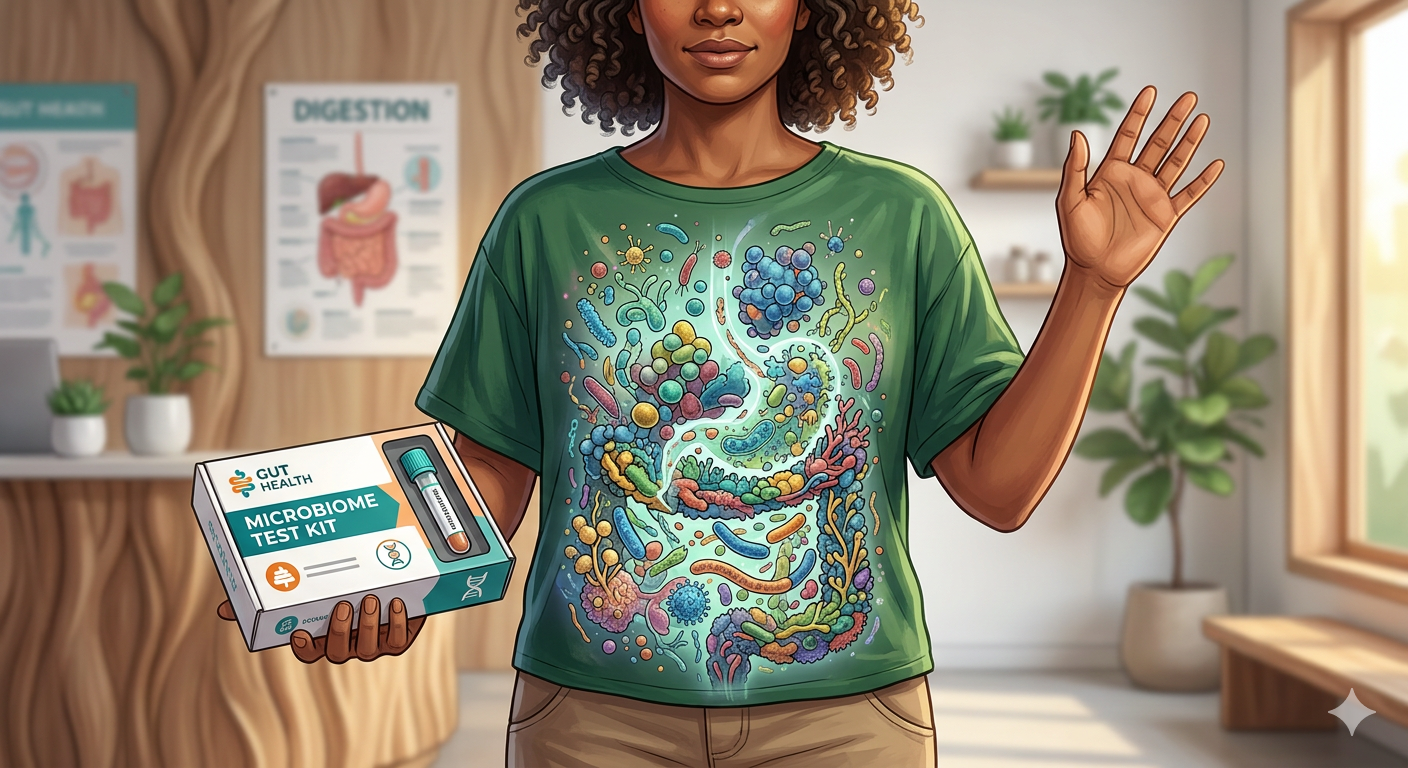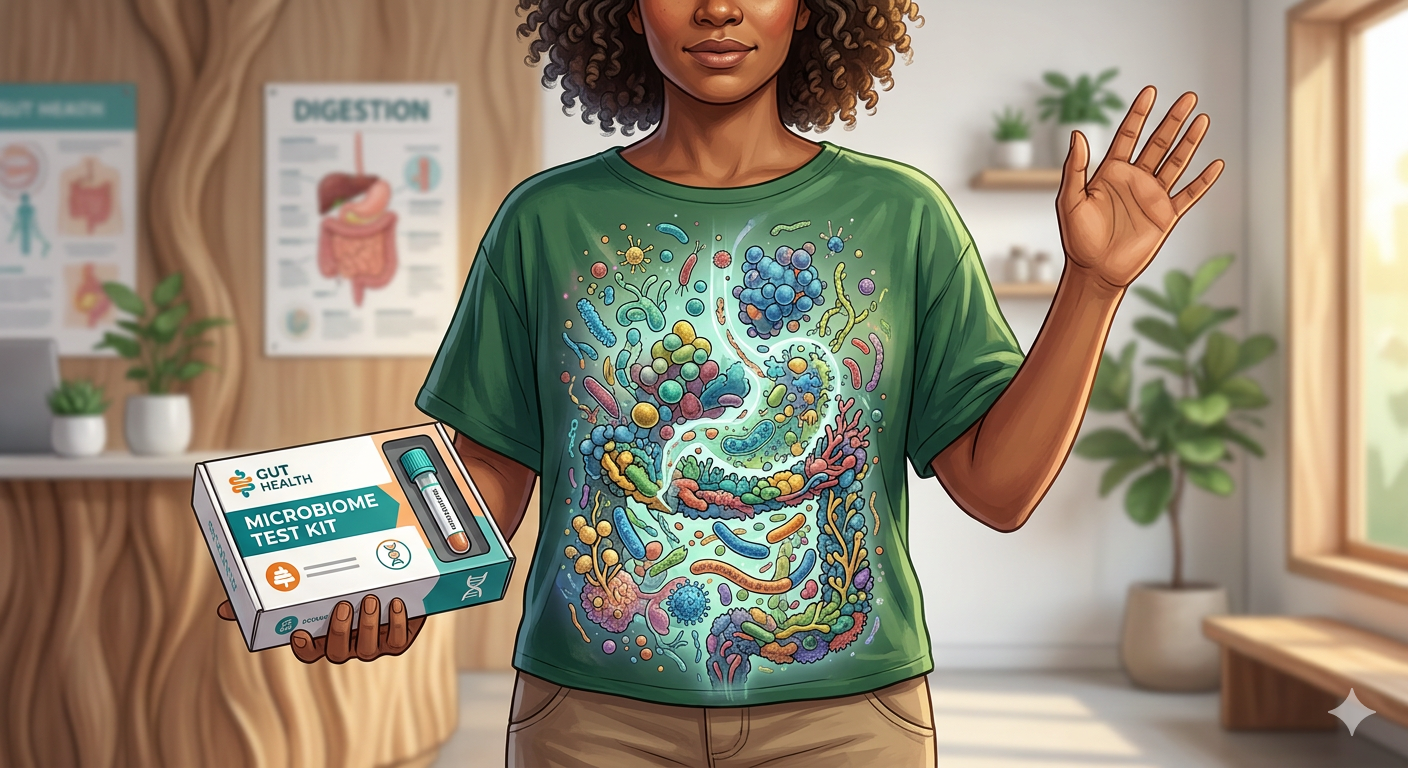
Testing functional GI markers, as many of our patients have found out, can be really enlightening when patients are dealing with unresolved chronic health and digestive issues. However this interesting recent article in the scientific journal Nature decided to take an in-depth look at what's “underneath the hood” of much of the microbiome portion of the testing. There is an enormous amount of scientific data about the importance of a balanced GI ecology, for its role in health and disease, but that has not always translated into very clear guidelines about on the ground consumer testing , about what's valid and what's still undetermined.
Direct Consumer Testing (the ability of a patient to directly order health tests from a company rather than through their physician) , has further added complication to an already shifting picture. Many of these companies are freelancing by experimenting with new methods that have not been fully validated, and developing interpretation tools that are still very much in their infancy.
This is not to say that there is no merit in doing stool functional testing. We do it pretty routinely and have found it in many instances to be the key to turning around somebody's health by getting the right data set to make new clinical decisions. But this is a word of caution about two different aspects of this sort of testing: the first one is that DCT options will put more power in the hands of patients, however it also may make them more vulnerable to being sold substandard testing products from a strictly clinical perspective. As the article pointed out, several labs fared quite poorly in the reproducibility of their own testing using the same sample. The second aspect is more nuanced. We have a lot of scientific data about the benefits of a balanced microbiome, however we're still rapidly evolving in our understanding of what's healthy and optimal, and we need to understand that when we are looking at raw data to not excessively extrapolate conclusions that are not supported by our current scientific understanding.
https://www.nature.com/articles/s42003-025-09301-3