

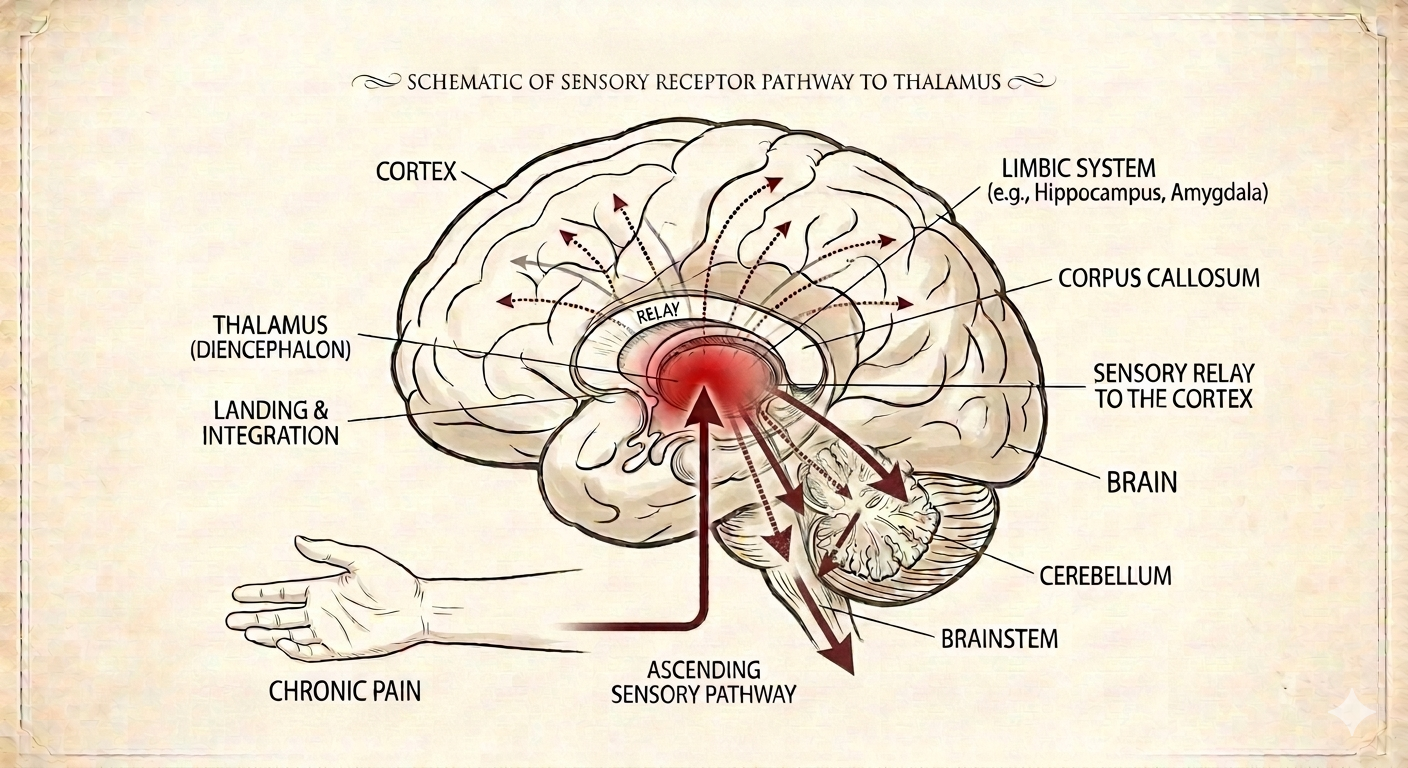
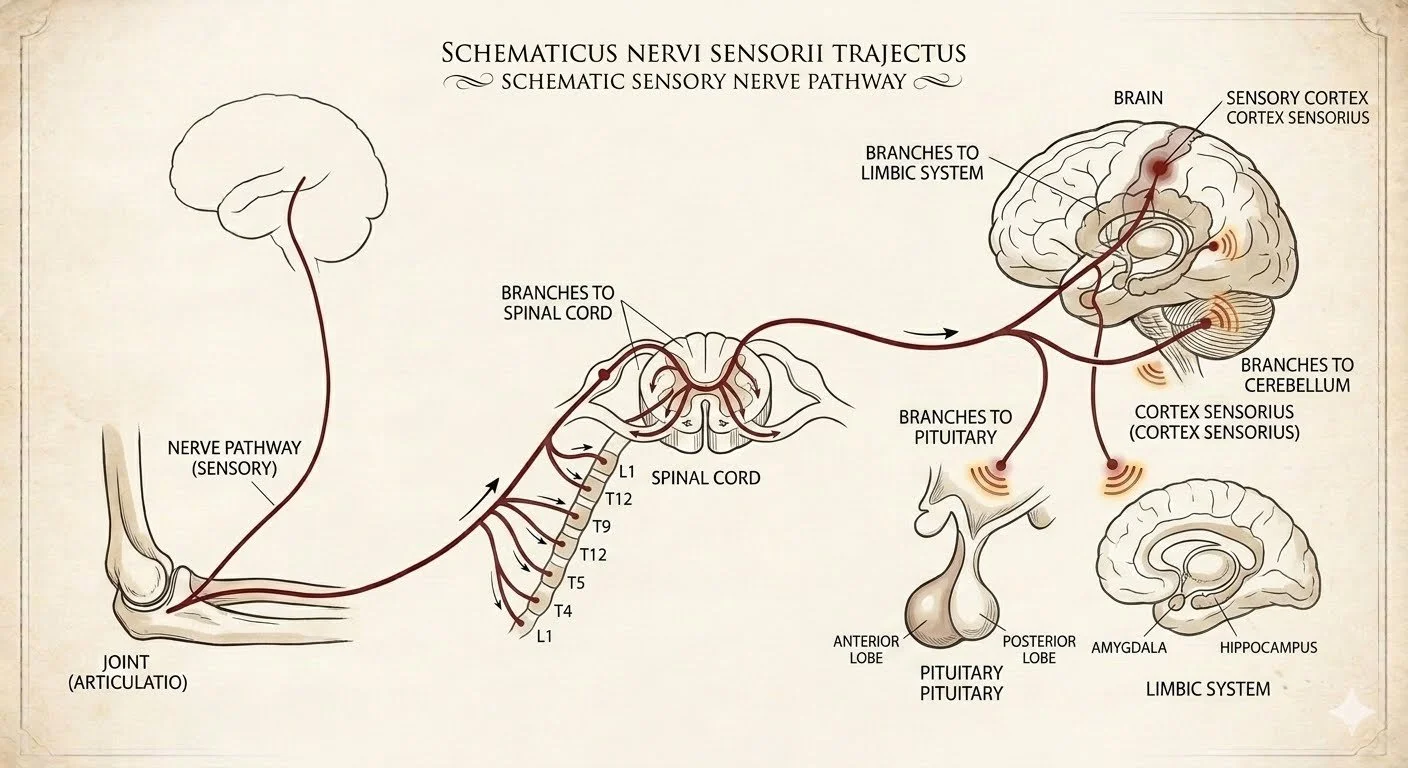
Post COVID Brain Fog

https://jamanetwork.com/journals/jamanetworkopen/fullarticle/2785388

I have hesitated to write this blog. We are all sick of COVID (although based on the latest MN hospital census, COVID is not sick of us yet…), and the controversy surrounding the management of this never ending pandemic is putting everyone on edge, often leading to unproductive discussions. However, this latest JAMA study was a compelling enough confirmation of what I have observed at the office for the past three months that I thought I would still stick my neck out and share a little info for those interested in hearing it.

The latest study was interesting, and sobering, as it improves upon previously gathered data in several ways-

  • It uses a well established outcome measurement tool to assess and categorize cognitive impairment, rather than simply self reported symptoms.

  • It looks at a broader array of COVID patients, not just patients with severe illness and hospitalization.

This intersects quite well with my office observations of the past three months. Post COVID symptoms of continued widespread soft tissue pain, cognitive loss (“brain fog”), and aggravated autoimmune symptoms are common and persistent for several months. For some reason, I have seen that more in women than in men. I have also noticed a unique temporal pattern of those secondary symptoms suddenly appearing about 2-3 weeks after the resolution of the initial upper respiratory symptoms, about 5-6 weeks after the initial infection, often catching patients off guard who thought they had fully made the corner.

The research into prolonged COVID seem to suggest that the infection can lead to the development of a dysregulated immune system stuck in pro-inflammatory mode, based on blood markers like cytokines and interleukins, which would explain why women and folks prone to auto-immune illnesses tend to experience that more frequently. There is some question about the possibility of a persistent low grade, relapsing viral infection hiding in the body, very much like chronic Lyme disease. For some reason, COVID really likes central nervous system tissue like the brain.

Based on some recent inter-professional discussions among colleagues in integrative health, I have started to use nutritional protocols very similar to those we use for auto-immune and inflammatory conditions, with some encouraging results. It would be very premature to talk about it in more detail, but we are certainly here to sit down with individual patients and try to come up with some solutions for what is otherwise a very challenging situation with few definite answers as of now.

The Cervical Spine, Meninges, and Spinal Cord Connection to Headaches

https://pubmed.ncbi.nlm.nih.gov/8610241/

I am reading through a backlog of research articles in the very few minutes available in my “free time” (of which there is little during Dr. Alvarez absence). I still remember the anatomical breakthrough research that was coming out as I was finishing chiropractic training, because it was a bit of a vindication for what our colleagues had been reporting from the longstanding clinical observations of many decades: there is a unique anatomical relationship between the upper cervical spine, especially some of the deepest and smallest posterior muscles at the base of the skull, the meninges (AKA outer connective tissue layer of the spinal cord and brain), and a host of poorly explained neurological symptoms: headaches, sensation of pressure, and tingling in the head etc. Chiropractors were reporting the ability to resolve some of those mysterious problems with specific adjustments and muscle work to the upper cervical area, but the camp of traditional neurologists were saying this was not possible since there was no anatomical basis for it. Until the newer dissection methods, tissue fixation techniques and higher resolution MRIs proved them wrong.

The so-called myodural bridge is a band of connective tissue that connects two very small suboccipital muscles to the dura mater at the lower brainstem. It is relaxed under normal conditions. It can be subject to increased tension after upper cervical injuries such as sports concussions, whiplash, and often from birth straining to the delicate upper cervical spine of a newborn. The resulting symptoms of increased meningeal tension are difficult to describe, but most commonly involve poorly localized headaches, a sensation of head pain when the neck is flexed, sharp pain at the base of the skull when looking up, a sensation of increased pressure in the head, eyes, sinuses and ears, a sensation of pressure and tingling in the face, a sensation of the head being too heavy for the neck etc. Specific chiropractic intervention and muscle work can be helpful and worth exploring.

The Fallacy of Artificial Sweeteners

https://www.npr.org/sections/health-shots/2021/10/07/1044010141/diet-soda-may-prompt-food-cravings-especially-in-women-and-people-with-obesity

In the busyness of life, I don’t always have the time or energy to crusade on all of my favorite pet peeves. There was a time in the past when I was much more proactive in spreading the word on the health risks of artificial sweeteners, and it is time to get back on my high horse about it.

The stakes are not negligible. The processed food and diet industry has done a great job at making us believe those fake sugars are benign or part of a weight management strategy. They are neither. The article that was just featured in JAMA talks about the paradoxical increase in obesity among overweight and type 2 diabetic patients who consume sugar alcohol like sucralose focused on the metabolic and weight impact. while other studies have also shown how remarkably bad those artificial sweeteners are for your gut flora and all the functional digestive disorders that follow.

The recent research focused on the brain’s response to artificial sugar. Basically, it totally confuses your brain’s self regulating mechanisms of appetite, satiety, and blood sugar management: the brain assumes that sugar is coming to the blood stream when exposed to a sweet taste in the mouth, but when the two factors are delinked, the body stops properly producing leptin to signal that your are full or fails to produce the right amount of blood sugar regulating hormones at the right time and in the right amount.

Be on the lookout for the widespread presence of those artificial sweeteners in food, especially food that is labeled “light” This can be anything from yoghourt to dessert, salad dressing etc. The labels will clearly list it ( sucralose, Splenda). Also beware that a lot of packages listing stevia actually have added erythritol and sucralose as the first ingredient. Two safer alternatives in small amounts would be stevia and pure monk fruit powder. But in the end, you just have to limit your intake of sugar and there is no real way around it. Some supplements can help you achieve a lessened sugar craving, such as inositol or gymnema lozenges, and those do not contain artificial sweeteners


Chiropractic for Patients Recovering from Major Leg Fracture

I have meant to write this blog for a very long time and the final nudge was our journey with the wonderful Ms. R, who was kind enough to lend her body for a few illustrative photos of her recovery after a hideous car accident.

One of the privileges of 25+ years in practice in the same location is that you can follow people over time and see some strong patterns emerge. One such pattern is the complexity of seeing patients deal with the long lasting domino effect of major lower extremity fractures and learning from those observations to be much more proactive about what to look for and how to intervene to optimize recovery, rather than the “wait and see“ approach, which often leads to predictable and unmitigated complications. Below is an outline of the steps I take when I work with a patient recovering from a severe lower extremity trauma.

I would define a severe lower extremity trauma as one that requires surgery, no weightbearing, and prolonged immobilization for at least 6 weeks. Obviously you can still have a lot of problems if your immobilization is less than 6 weeks or if you are allowed partial weightbearing, but the combo of the three is usually the perfect storm. I have seen just about every fracture you can imagine, and a few more in the last 27 years, but the most common one is a fracture dislocation combination of the ankle and foot, which requires requires surgical stabilization with hardware, prolonged time off the leg, and bracing or boot walking for several more weeks.

Week 1-6

IMG_20201209_122556794.jpg
  • Manage the post trauma and post surgical pain. The pain can be brutal and the risk is to reach high levels of prescription medications to deal with it. I find that using a combination of plant based anti-inflammatory botanicals (tumeric, white willow, and boswellia for ex), mild muscle relaxers (magnesium, valerian root), topical agents (CBD, menthol), and sleep support supplements (kava, California poppy) can help the patients minimize the use of prescription agents for episodes of breakthrough pain rather than as a base. Physical and mechanical agents such as ice and TENS units, can also be useful.

  • Address the beginning of compensatory injuries before they become a new problem. The use of crutches and walkers can easily cause shoulder injuries. If you cannot fully eliminate stress to the area, you need to be sure to get those minor injuries treated before they become major.

  • Stimulate strong bone and connective tissue healing: make sure patients are engaging in activities that get their heart rate up and push oxygen to surgical sites (yoga breathing, upper body exercises). Consider a good supplement of collagen and bone matrix. Use infrared therapy pads to stimulate repair.

Week 6-12

Somewhere in that vicinity patients will start doing partial or full weightbearing on the affected limb. The compensatory stress will shift from the shoulder to the pelvis and lumbar spine. Patient will often need to be checked and adjusted more frequently during that time frame.

  • Persistent swelling is a MAJOR problem in a high percentage of patients. It is often ignored although it can be very uncomfortable or frankly painful, and contrary to what patients are told, it does not always disappear over time. The reason is that trauma and surgery can create damage to the lymph system that needs to be properly treated and rehabilitated by a provider that is trained to do so (in our case, this would be Anne).

  • Scar tissue and contractures can be addressed as patients exit the cast and are allowed to increase movement. This mostly requires careful manual assessment of the layers of soft tissues that have started to form adhesions to each other, and treat it with a variety of methods: manual, instrument assisted, and cupping.

12 weeks and beyond

IMG_20210108_103647912.jpg
  • Lower extremity fractures can result in a new permanent leg length differential (longer or shorter than before). After 8-12 weeks of weightbearing, the leg will have fully “settled” and accommodated as much as it will. At that point, you can carefully evaluate for leg differential (visualization, physical, or X ray measurements) and fit the patient with the correct heel lift if applicable.

  • Ankle fracture and subsequent surgical stabilization will often result in a permanent change to the shape of the foot arch (surprisingly it is often higher). A standard shoe and insole may no longer work, and some patients require custom orthotics to spend any amount of time on their feet comfortably.

  • Prolonged immobilization and boot walking causes some persistent changes in the gait as well as a loss of position sense in the affected limb, which can result in poor balance. Gait retraining and balance exercises will be needed for most patients.

IMG_20210823_141648869.jpg
IMG_20210823_141640364.jpg

Cervicogenic Vertigo and Chiropractic: A Problem and a Solution From All Parts of the World

https://chiro.org/research/ABSTRACTS/Observation_of_Curative_Effect.shtml

Vertigo and dizziness are common symptoms we see in the office. They can be debilitating to a person’s quality of life and very frustrating to clinically workup since many contributing triggers need to be taken into account. The cervical spine is an often overlooked area of trigger but one that we see a lot. By the time patients consult us for that particular problem, they have often explored a lot of other sources and the spine is the last item on the list.

I came across this research paper from China, which describes a clinical study on vertigo, using single axis, very specific manipulation of the spine in a study with a control group. The results speak for themselves and remind me of a few enduring truths:

  • Vertigo is a common problem all over the world.

  • While “chiropractic“ is not a widely available health profession the world over, there are many health care practitioners from various professions that specialize in very specific analysis of spinal segmental dysfunction of the spine and correction thereof, because it is so powerful.

  • Patients with vertigo really deserve a thorough specific spinal analysis to rule in or rule out a spinal functional lesion as part of their vertigo triggers.

Yoga Modifications: The Wrist

https://www.youtube.com/watch?v=JFF81LG6ZUM

As we are setting up patients more and more frequently for home exercises using our collection of 20-30 minutes free videos vetted from several good Youtube channels, I am fielding lots of requests for accommodations and modifications. When it comes to yoga, wrist modifications are commonly needed. Here is a short recorded video on the subject-

Questioning the Safety of Tylenol During Pregnancy

https://www.nature.com/articles/%20s41574-021-00553-7

This recent bit of medical news came as no surprise to me. As someone who treats a fair amount of pregnant patients, I often see them presenting in the first trimester stating that they are unable to manage any of their usual pain symptoms because they cannot take the NSAIDs during pregnancy any more, and that Tylenol, still available to them as “pregnancy safe”, does not cut it. I have never felt comfortable with the recommendation for Tylenol getting a free pass during pregnancy and I am glad to see some growing evidence supporting that hunch. I am always thrilled to be able to help a pregnant patient manage symptoms during pregnancy to remain drug free whenever possible.

Swelling Care After an Injury: Why Treat Acute Swelling?

Just about everyone has experienced an injury that involved significant swelling. In most cases the swelling will resolve on its own. Some cases, however, will not recede and become chronic. There are several reasons why this can happen. We are going to dig into the three most common causes, in addition to what acute swelling treatment involves. If you have not yet read Common Questions About Lymphedema, I would recommend it as a pre-read to this blog.

Traumatic edema is the result of a blunt trauma, surgery, infection, broken bones, torn muscles, sprains, strains, etc. It is characterized by pain, heat, redness, and swelling. When an injury occurs, the blood vessels in the surrounding area dilate to increase available nutrients and oxygen to the damaged tissue. This causes an increase of local fluid in and around the injury, also known as swelling. Various types of white blood cells leave the blood capillaries to go into the injured tissues. These damage control cells then devour the injured tissues and cells, starting the tissue repair cycle.

In normal cases, after the damage control cells have cleaned up the tissues, swelling should slowly start to recede. There is a range in the duration of swelling reduction, based on how severe the injury originally was. Some injuries, however, continue to remain swollen, even though the pain associated with the original injury has subsided. Of the causes of chronic swelling, three are the most common.

Cause number one: the damage control cells in charge of clearing away injured tissue can accidentally damage surrounding healthy tissue. If they do not stop ‘eating’ the good tissues, the inflammatory reaction can spread to the surrounding structures including local lymphatics. For people that like to know the names, this is called lymphangitis. Damage to the local lymphatics can result in permanent disfunction, usually in the area of the original injury. In some cased the area below the lymphatic damage may swell since the area above it is unable to drain lymph properly.

Cause number two: Occasionally, an injury is severe enough that the lymphatic vessels were permanently damaged in the event. This is more common when large essential vessels are impacted. In most cases of traumatic swelling, the damage to the lymphatic vessels is slight enough that they are capable of regenerating and reconnecting.

Cause number three: Some people are born with an underlying malformation in their lymphatics. Often the person is unaware of this until an incident occurs that puts more strain on the lymphatic system, whether it is an illness, surgery, physical trauma, etc. Swelling will start to accumulate and will often involve a whole limb. Sometimes more than one limb is involved if the malformation is present elsewhere. This is called primary lymphedema.

The best treatment for acute swelling is the application of Manual Lymph Drainage (MLD). Compression Therapy may also be indicated depending on the injury. MLD is a hands-on technique that stimulates the lymphatic system to absorb edema more quickly.  A 1989 study(1) showed that MLD promotes lymphatic vessel regeneration. It can be applied immediately after a traumatic event. Prompt treatment for post-traumatic swelling is important to lower the risk of chronic long-term swelling.(2)


(1)    Hutzschenreuther P, Bruenmmer H, Silberschneider K. Die Vagotone Wirkung der Manuellen Lymphdrainage nach Dr. Vodder, LympmhForsch. 2003 7(1):7-14

 (2) Systematic Review of Efficacy for Manual Lymphatic Drainage Techniques in Sports Medicine and Rehabilitation: An Evidence-Based Practice Approach

Giampietro L Vairo, MS, ATC, ACI,a,∗ Sayers John Miller, PhD, PT, ATC,b Nicole M McBrier, PhD, ATC,c and William E Buckley, PhD, MBA, ATCd

 Images used courtesy of Wikimedia Commons