

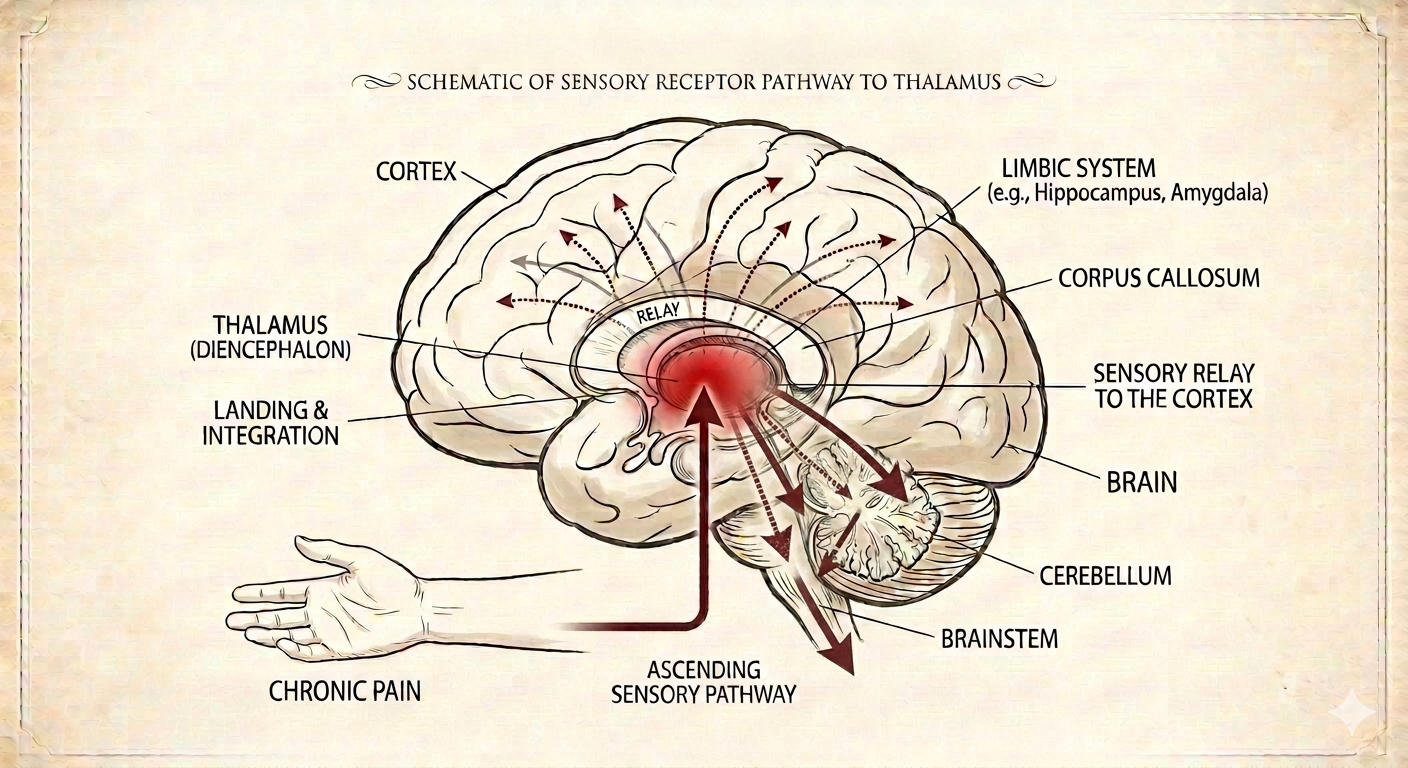
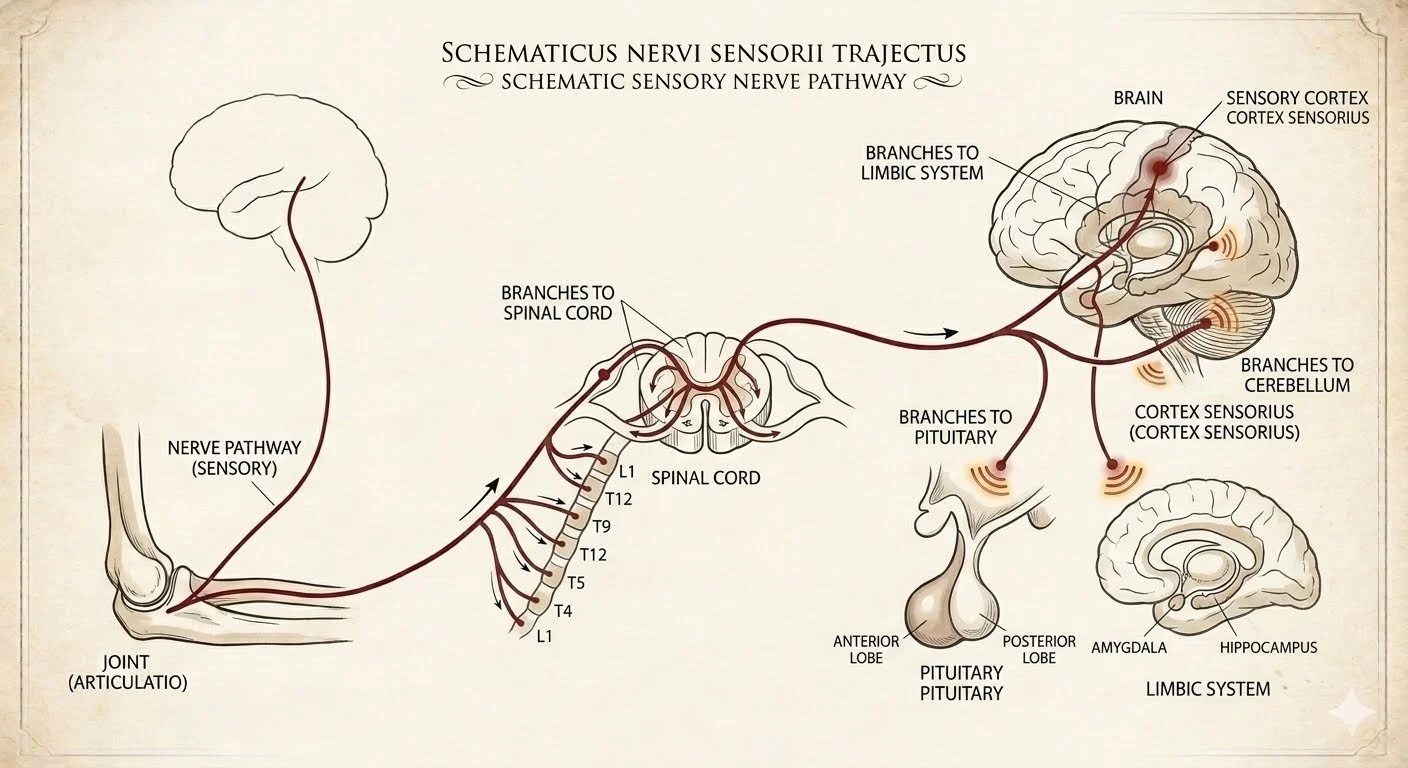
exercise soreness

EXERCISE INDUCED PAIN AND BOTANICAL SUPPORT

Is been a bit of a busy week at the office and not as much time to dive into my research update safari as I normally would. But this piece of research caught my eye. I had several patients that have been very committed to trying to make strength gains with new exercise routines, however feeling a little bit deflated by painful responses post exercise that make it difficult for them to stay on track.

Making muscle gains does involve some micro-tearing and stimulation of new muscle growth, and there's almost inevitably some degree of discomfort associated with it. It should be transient, and allow you to continue with you normal activities of daily living, and most importantly allow you to go back to another strength workout later in the week. If you're running into roadblocks achieving that, you may need to work with the seasoned trainer to try to 1st revisit the adequacy of your current workout routine: are you trying to do too much too fast, do not have proper pre-workout meal and hydration, do you have inadequate warm up and warm down recovery? Do you lack post exercise protein intake?

If everything tracks and you are still having difficulty recovering from your workout, you may need to introduce some supplemental botanical anti-inflammatory to speed up the post exercise muscle inflammation and its recovery. Curcumin (an extract of the spice turmeric but in much higher concentration than what found in the spice itself), has been the most studied substance to achieve that purpose. As this meta-analysis reveals, it's been a tried and true and very dependable agent to minimize post exercise muscular soreness. It has very little side effect 2. But there are some important details and how you use curcumin. You do need to have an adequate amount (about 2 g), and it's poorly absorbed unless combined with a fat-soluble base, and additionally enhanced by the addition of anti-inflammatory fatty acids (whether fish oil or black cumin seed oil). The high-end supplement industry has been quick to respond to the research by formulating new products aimed specifically at delayed onset muscle soreness recovery. I recommend taking them just before a workout if your anticipated strength training session is going to be no more than 30 minutes, or right after along with your protein bolus if your workout is going to be an hour or so.
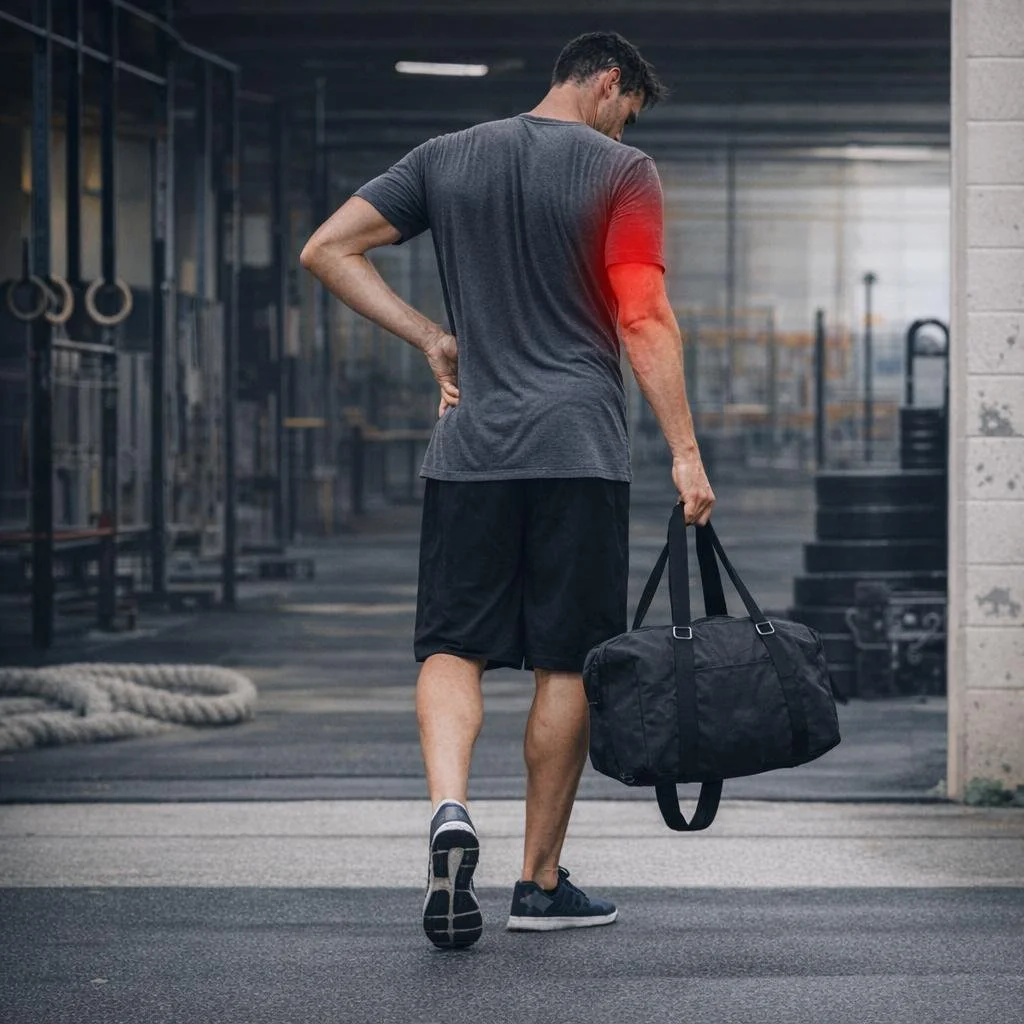
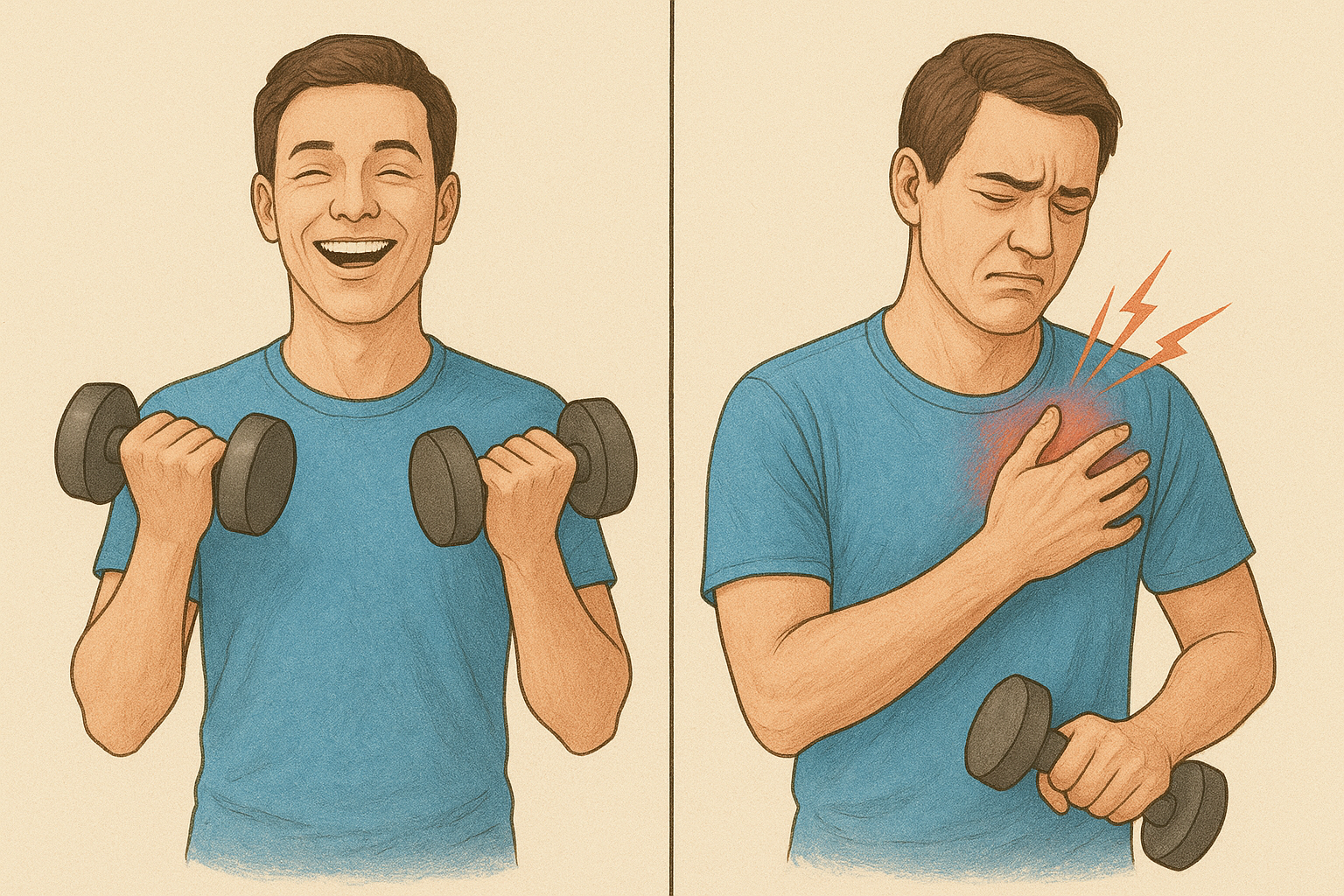
PAIN AND EXERCISE: GOOD PAIN VERSUS BAD PAIN

“GOOD PAIN” VERSUS “ BAD PAIN” PAIN FROM ACTIVITY AND EXERCISE


A question that arises commonly as we tackle the rehabilitative phase of a patient’s treatment plan, is what level of discomfort is to be expected and tolerated when patients start resuming normal activities or pursue exercising when being treated for an acute or chronic condition. In other words, what is the defining line between good and bad pain?

First, we should talk about when we start introducing therapeutic activities in the first place, especially when patients are acute, as some patients are pretty eager to start exercising to get better faster. As a general rule, I may not add much beyond in office treatment and light walking, breathing, general movement and active range of motion stretching in the first week or two of treatment. You cannot inherently strengthen or stabilize something that is completely dysfunctional or structurally misaligned.

Usually by the end of the second week at the latest, we can start adding more specific activities. With the input of the patient, we look to find the right balance between pushing the patient enough to make gains, and not pushing so hard as to reinjure. It can be a bit of a balancing act, and I give the patients three guidelines to stay in the safe zone:

-          There is a difference between pain and soreness. Soreness is a normal reactivation reaction that is more of a generalized discomfort. Sharp pain is normally to be avoided as a sign that you are pushing too far too fast.

-          I like to use the 2 points on the 10 scale rule: during the therapeutic activity, it can be OK to have a little more discomfort than at baseline. For example, if youR pain at rest is a 2 on a 10 scale, it can be at a 4 on a 10 scale, but really you should not let it get much higher.

-          The discomfort associated with the activity should not significantly outlast the activity itself, ideally returning to baseline within 30-60 minutes.  If post activity related pain lasts into the rest of the day, if it interferes with sleep, if it is still present the following day, these would all be indications that you are pushing too hard, too fast, or that the exercise is not right for you.

There is not a one size fits all solution to what discomfort is OK in your situation, and you ultimately need to discuss that with your provider. Some people have underlying conditions that will carry a little more baseline pain during the rehab phase ( inflammatory arthritis, meds, fibromyalgia), that will require creative accommodations. But in the end, where there is a will, there is almost always a way to get strong.