
Chest pain and chiropractic

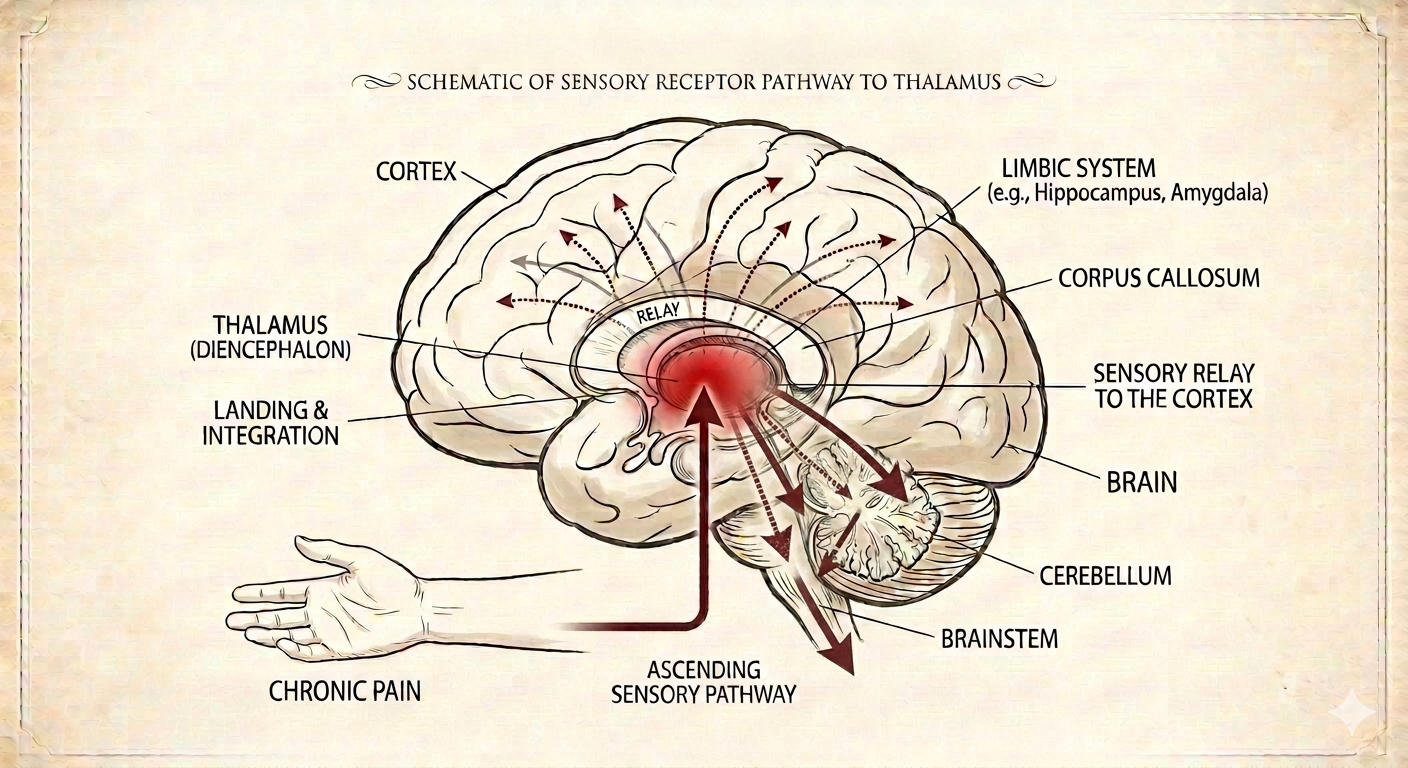
The common question posed during the patient encounter: "can chiropractic help pain in XYZ area?" can be applied to many many places but today I want to explore the chest. Pain in the chest obviously raises a lot of alarms about the potential of life-threatening cardiothoracic causes, and those obviously always need to be ruled out before I will look at a patient with acute chest and chest wall pain. But in many cases, I see patient come in who have had a battery of tests and being told with glee that the do not have a heart or lung problem, but not given a lot of options to resolve their pain.

Chest and chest wall pain can come from many know musculoskeletal structures that are treated by chiropractic. Below are my most common culprits.

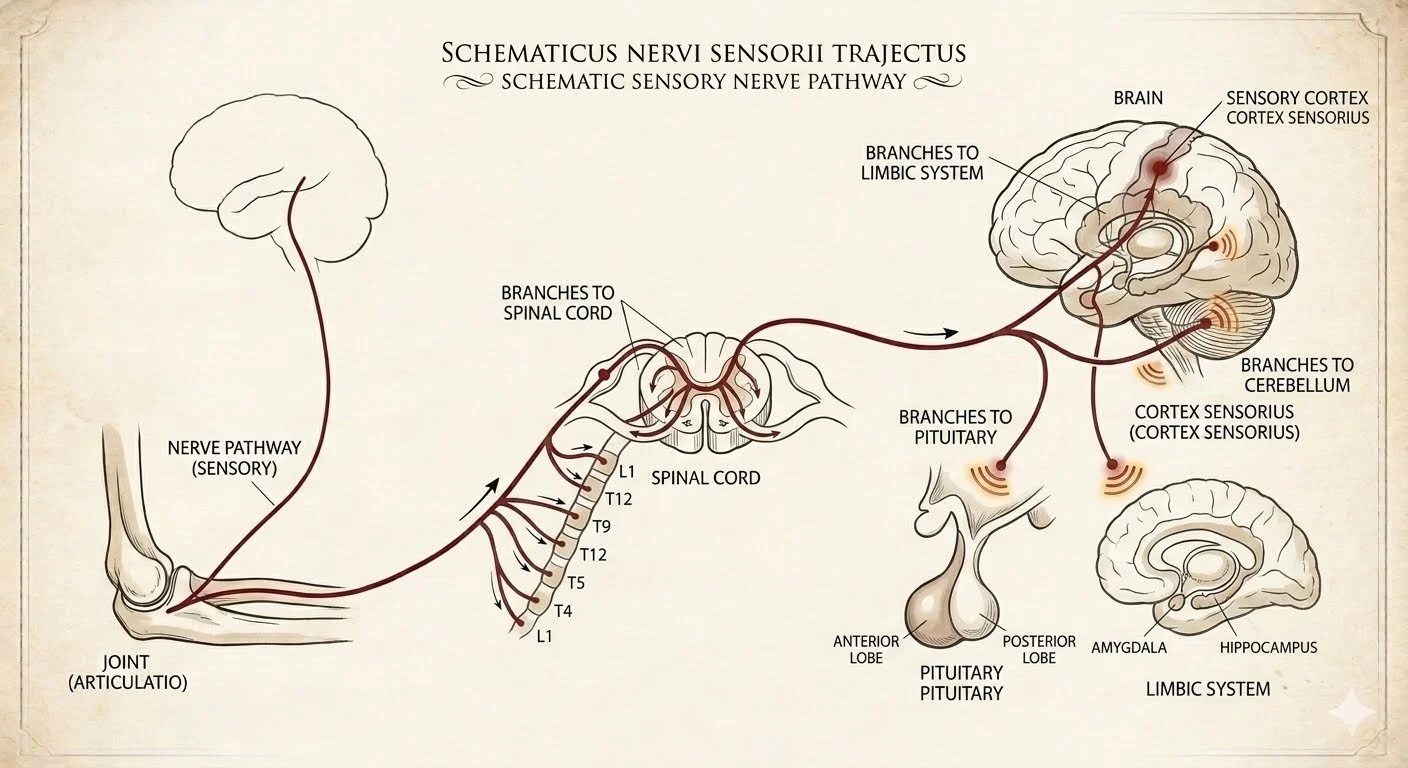
– Mid cervical disc herniation, spinal nerve compression. The C5 and C6 nerve roots will radiate to the upper shoulder and clavicle. Submit cervical disc herniations for example, or chronic degenerative bony spurs, can trigger a sensation of vague pain in the upper chest. In most instances, patients will have noticed a correlation to neck movement and position.

– Brachial plexus above the clavicle in the scalene muscles. A remarkably common area of problem that's escaping detection. I sometimes joke that I could pay my mortgage alone by working on the anterior cervical spine muscular injuries. The brachial plexus exits between 2 branches of the scalenes, and is remarkably susceptible to irritation or compression between the exit from the spine and the entrance into the axilla. Another 1 of my overused jokes is that there is as much cervical spine in the front as there is in the back. Carefully palpating the neurological structures as they exit the anterior cervical spine can be a bull's-eye for mysterious pain in the shoulder chest and arm. Of all the conditions affecting the chest, this particular 1 is more immediately gratifying since you can often get release of symptoms within 1 or 2 treatments and sometimes right away on the spot.

– Anterior shoulder, especially deep intrinsic protractor muscles like the pectoralis minor and the pectoralis major. The pectoralis minor in particular is known to have trigger points referring to the area underneath the breast. It's a muscle that's often shortened due to postural anterior strain. It's also a muscle that can be pretty easily injured with pushing activities, and certain athletic activities like planks when people decide to become weekend warriors or for the 1st 2 weeks of their New Year's resolution after prolonged couch potato status.

– The costochondral junction: slightly lateral to the breastbone/sternum, the junction of the anterior ribs to the central sternum is through a complex cartilage called the costochondral cartilage. It can get inflamed from systemic inflammatory conditions, and be remarkably painful, even during normal breathing. It's also subject to trauma, especially with compressive rotational forces to the chest. It does respond pretty well to modified adjustments.

– 1 of my all-time favorite, the sternal clavicular joint. I never cease to be surprised how many times it's an issue and how much it's below everyone's radar. The junction of the distal clavicule to the breastbone is actually a fairly complicated join with the meniscal cartilage similar to your knee. The sternal clavicular joint is the last joint in the kinetic chain from the arm to the neck and is often involved in incidents of force transmitted from the arm to the body, such as catching yourself falling on your arm. I also had seen it a fair amount after motor vehicle accidents when people slam into both hands on the steering wheel. Almost as gratifying as the brachial plexus at the scalenes, attempts to respond pretty fast to manual adjustments.

The moral of the story: if you chest pain has been ruled out as not being cardiac or pulmonary in nature, it's worth a chiropractic evaluation.
CAUTION IN THE USE OF MELATONIN IN CHILDREN

I was glad to see this article because I feel that I have sometimes been the lone voice in raising concerns about the use of melatonin for routine sleep problems in children (and in adults as well). 

Melatonin, while available over the counter, is not the benign supplement that some people think it is. It is an actual short chain hormone that has profound actions on the brain and is involved in multiple delicate feedback loops. There are relatively few studies on its long-term safety use in adult and virtually none in children outside of the moderate to severe neurodivergent population like autism, where the risk tolerance may be different. 

Low dose short-term use of melatonin for special circumstances like acute situational stress or jet lag may be appropriate, but that's where I would personally draw the line. Beyond that, you run the risk of suppressing and altering feedback loops pertaining to hormone and neurotransmitter regulation in a rapidly developing pediatric brain. 

This is not to say that sleep difficulties in children should be brushed off. They can be significantly impacting a child and their parents. It's just to say that different interventions will be more effective and safer in the long-term but will require a little more detective work than simply giving a melatonin lozenge at bedtime.

https://link.springer.com/article/10.1007/s12519-025-00896-5?utm_source=klaviyo&utm_medium=email&utm_campaign=%28Friday+Email+-+Chris+Kresser+General+News%29+Chris%27s+Friday+Favorites&utm_term=World+Journal+of+Pediatrics&utm_content=World+Journal+of+Pediatrics&_kx=ZpXBDTeEF9QJhwDqQXXrImrT_HpFsBz1ZlYMbsx_Vq0.my75y6

EXERCISE INDUCED PAIN AND BOTANICAL SUPPORT

Is been a bit of a busy week at the office and not as much time to dive into my research update safari as I normally would. But this piece of research caught my eye. I had several patients that have been very committed to trying to make strength gains with new exercise routines, however feeling a little bit deflated by painful responses post exercise that make it difficult for them to stay on track.

Making muscle gains does involve some micro-tearing and stimulation of new muscle growth, and there's almost inevitably some degree of discomfort associated with it. It should be transient, and allow you to continue with you normal activities of daily living, and most importantly allow you to go back to another strength workout later in the week. If you're running into roadblocks achieving that, you may need to work with the seasoned trainer to try to 1st revisit the adequacy of your current workout routine: are you trying to do too much too fast, do not have proper pre-workout meal and hydration, do you have inadequate warm up and warm down recovery? Do you lack post exercise protein intake?

If everything tracks and you are still having difficulty recovering from your workout, you may need to introduce some supplemental botanical anti-inflammatory to speed up the post exercise muscle inflammation and its recovery. Curcumin (an extract of the spice turmeric but in much higher concentration than what found in the spice itself), has been the most studied substance to achieve that purpose. As this meta-analysis reveals, it's been a tried and true and very dependable agent to minimize post exercise muscular soreness. It has very little side effect 2. But there are some important details and how you use curcumin. You do need to have an adequate amount (about 2 g), and it's poorly absorbed unless combined with a fat-soluble base, and additionally enhanced by the addition of anti-inflammatory fatty acids (whether fish oil or black cumin seed oil). The high-end supplement industry has been quick to respond to the research by formulating new products aimed specifically at delayed onset muscle soreness recovery. I recommend taking them just before a workout if your anticipated strength training session is going to be no more than 30 minutes, or right after along with your protein bolus if your workout is going to be an hour or so.

NECK AND SHOULDER INJURIES FROM PLANKING

https://www.youtube.com/shorts/zGL8G0ZRHM0

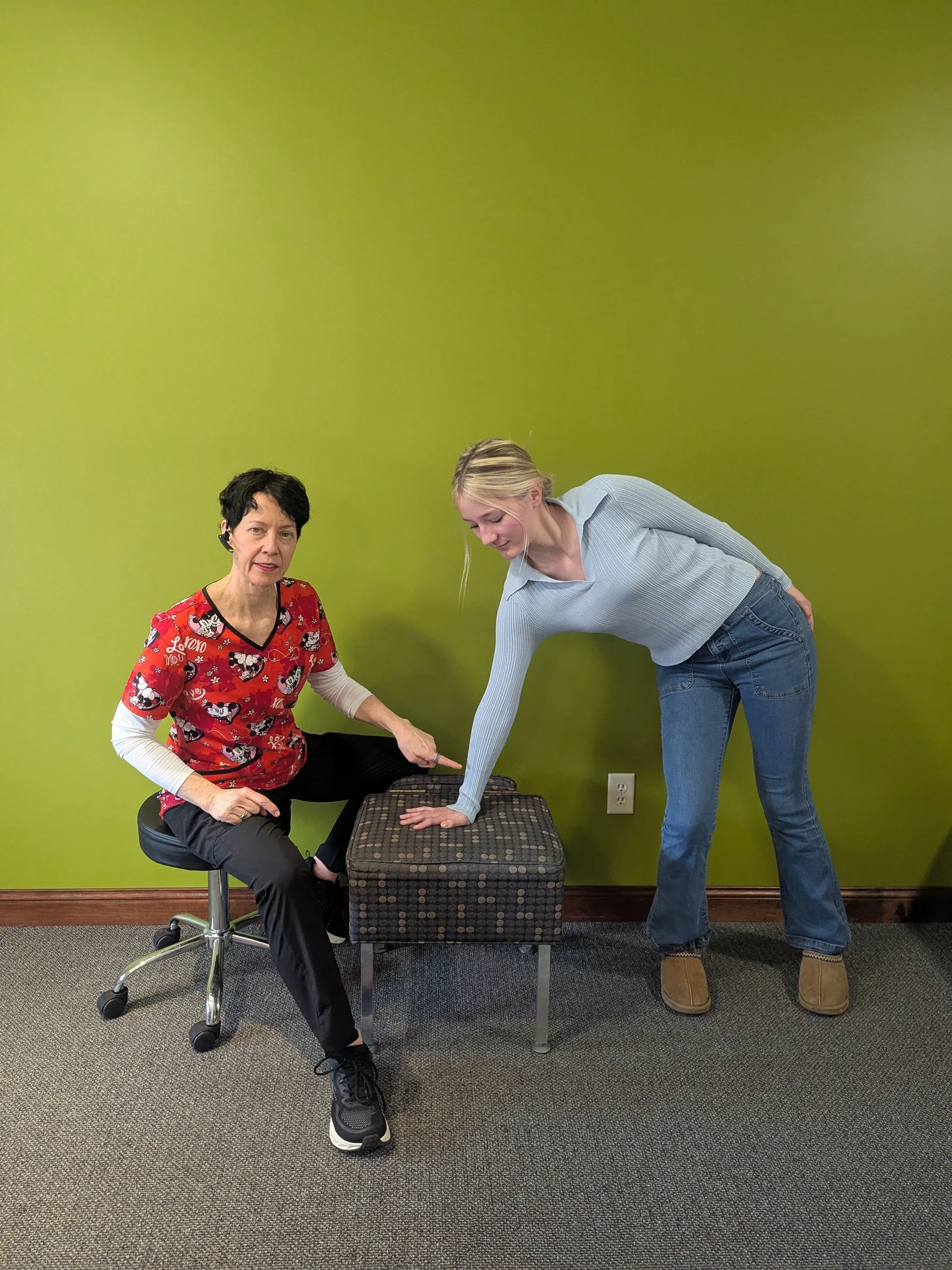
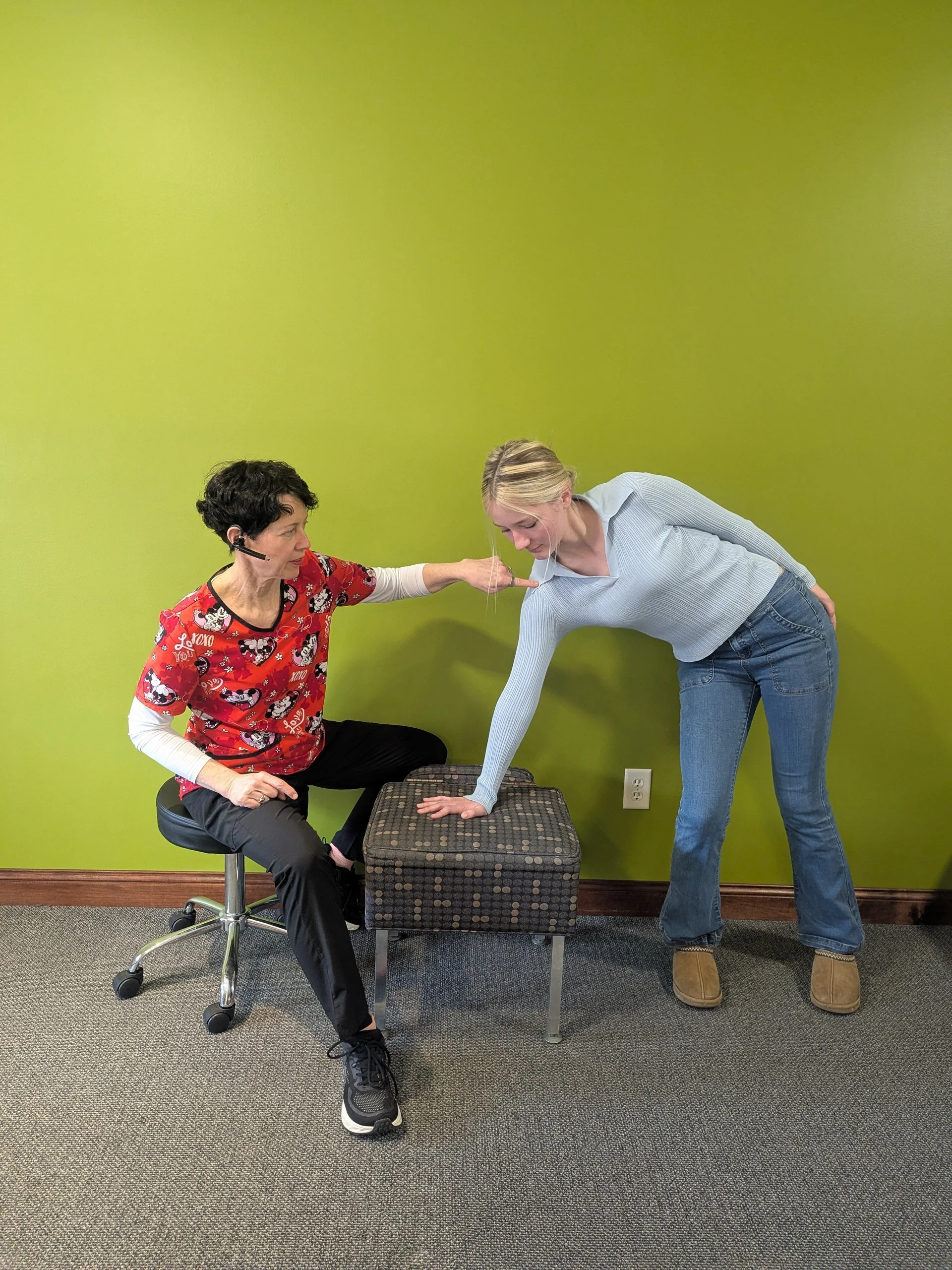
Seeing 3 consecutive similar injuries in one week reminded me to blog about this and record a short instructional video. (Thanks to Louis for joining the effort.)

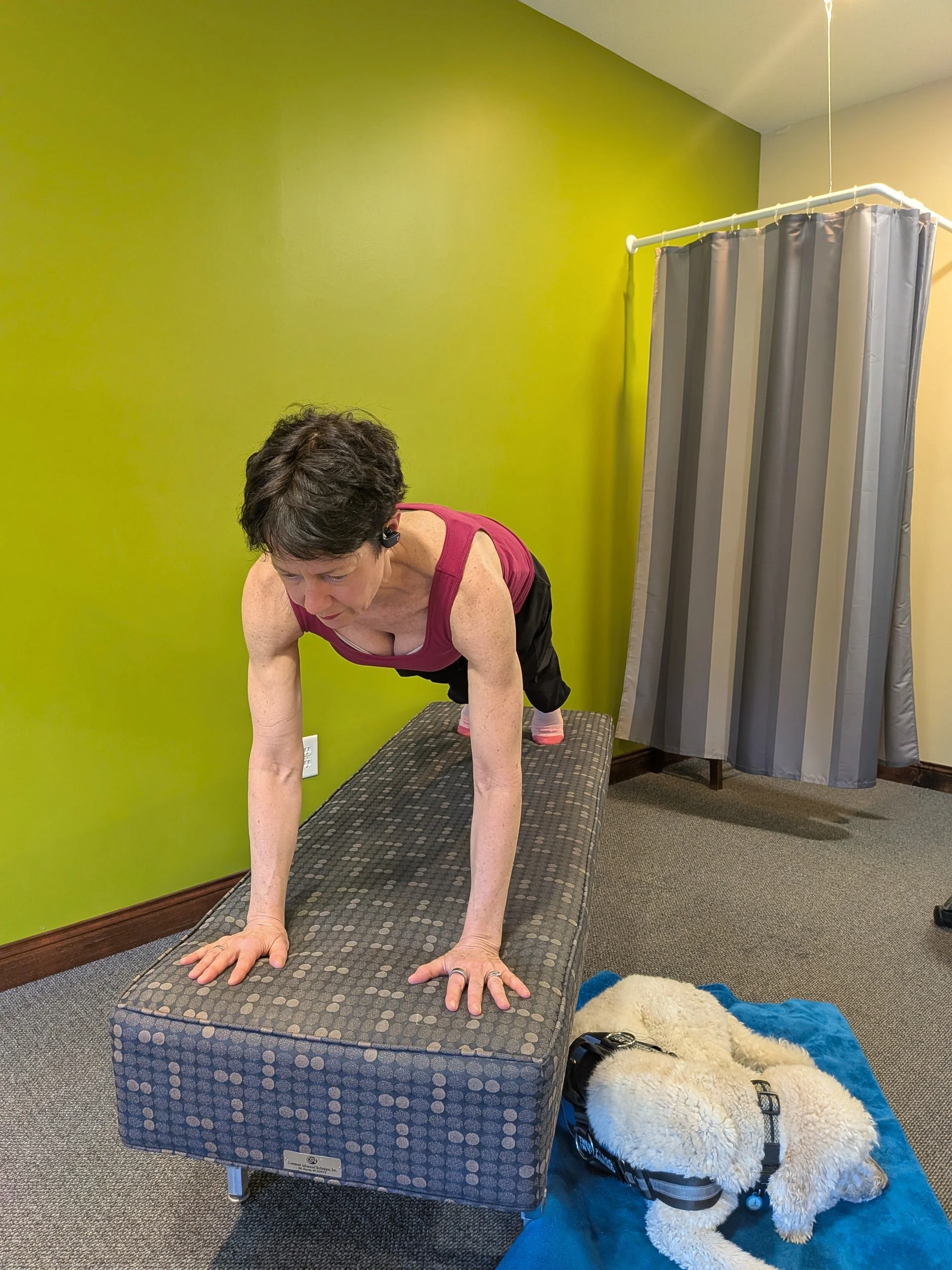
Planking is a great strength, stability and endurance exercise for both the shoulder girdle and the core. However it's also a demanding exercise with little margin for error without running the risk of injury. It does require excellent form, and since it's working multiple body areas at the same time, is more subject to fatigue. This particular video discusses the impact on the neck and shoulder from our plank gone wrong. When the shoulder girdle and torso muscles start to fatigue, the load is shifted to the anterior cervical spine especially. Your trunk and shoulder muscles are engineered and designed to be able to hold your body weight under certain circumstances during activities that humans engage in on a routine basis, but cervical muscles are not. They are primarily designed to hold the weight of your neck and head.

The collapse of the torso into the shoulder is associated with anterior cervical injuries, often affecting the anterior clavicle, and the brachial plexus. They can result in not only local neck and upper back pain but also headaches, anterior pain referring to the head and arm pain and weakness.

If you have not been practicing planking for a while, I strongly recommend you gradually work your way up to it: you can consider doing a countertop plank, then a partial plank from the knees up and onto elbows, before slowly working your way up to a full plank on your arms.

SHOULDER IMPINGEMENT SYNDROME

Shoulder pain and dysfunction can have a variety of root causes. Chiropractors will directly or indirectly address shoulder problems since a large percentage are related to poor function and alignment of the cervical spine and upper thoracic spine preventing normal alignment of the shoulder girdle. However in this particular blog I want to talk about the more intrinsic presentation of shoulder pain and dysfunction, called shoulder impingement syndrome.

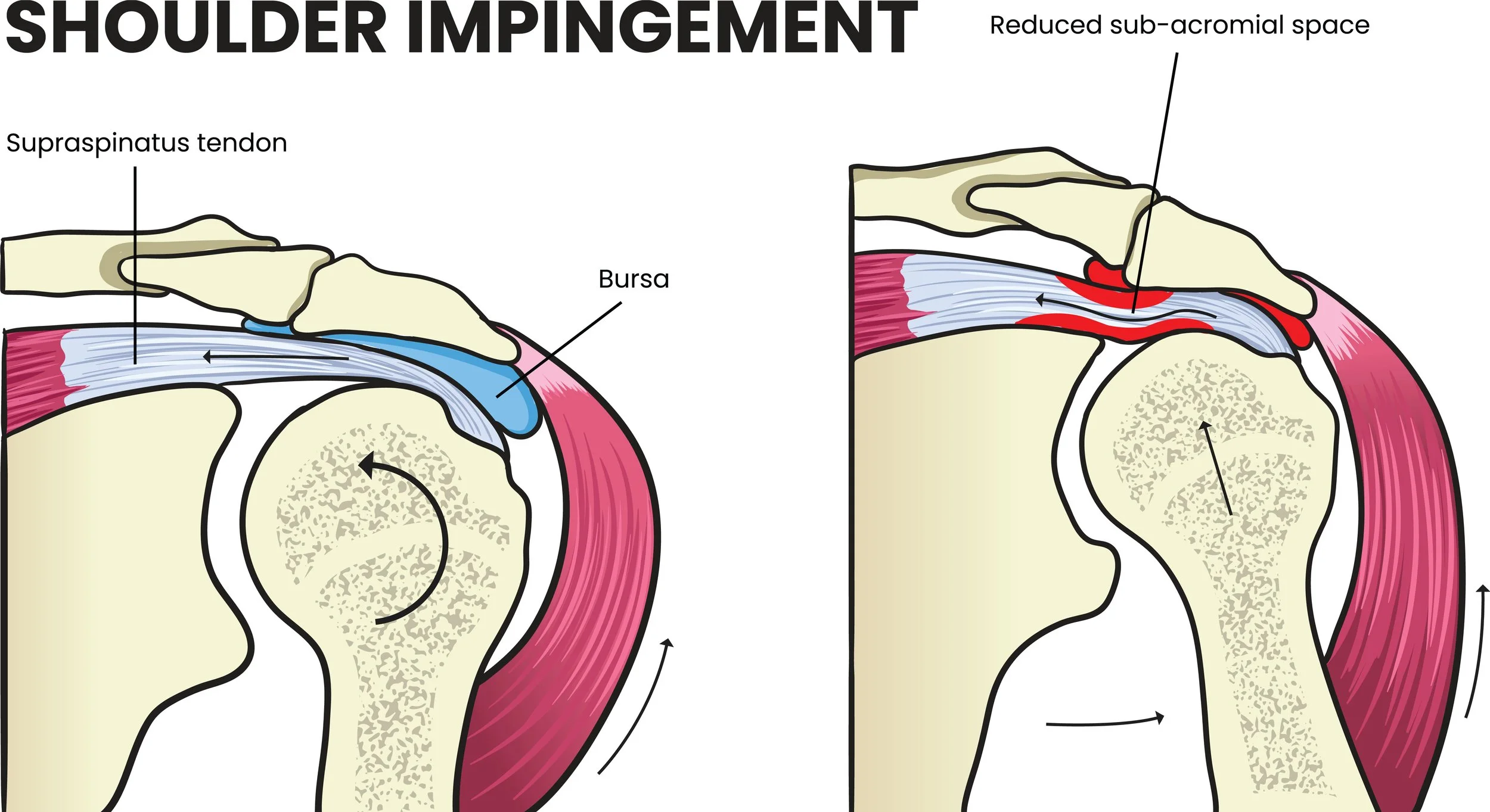
Shoulder impingement syndrome is actually a bit of a broader umbrella itself. In a nutshell, it describes a problem whereby the space above the ball of the head of the humerus and the bony bridge of the a acromioclavicular joint is narrowed, causing a pinching of the structures located in between, mostly some of the rotator cuff tendons and the bursa.

Shoulder impingement syndrome can fall into 2 categories, which sometimes overlap:

– static impingement syndrome describes a more or less permanent narrowing that is not affected by the movement and position of the arm. This happens when there is for example a bony outgrowth on the inferior aspect of the acromioclavicular joint, or some calcification of the tendon. The impingement will be the same regardless of the position of the arm. Those tend to be more difficult to resolve conservatively, since there are fewer ways to impact the problem. Thankfully it's a minority of the shoulder impingement presentations.

– Dynamic impingement syndrome describes an impingement that is the variable based on the position and movement of the arm. The vast majority of impingement syndromes are in the anterior aspect of the shoulder, sometimes lateral, and infrequently posterior. The main reason for the anterior dominance have to do with modern humans tendency to have very dominant anterior shoulder muscles pulling them in a rounded forward shoulder position, as well as the fact that the shape of the acromioclavicular joint tend to slope downward in the front of the shoulder, thereby predisposing more easily to impingement in the front.

Presentation of dynamic impingement syndrome often is anterior shoulder pain, sometimes radiating down the arm, when the arm is repetitively moving above the head or to decide, especially if additional weight is held, more pain when the shoulders slumped forward, or if this pressure to the anterior arm such as when sleeping on that side. Shoulder impingement syndrome is often found in combination with other shoulder problems such as acromioclavicular bony spurs, anterior frozen shoulder.

Resolving a shoulder impingement syndrome requires to look at all the modifiable factors that can be corrected to improve the clearance of the humeral head in relationship to the acromion especially when the arm is lifted forward or to the side:

– alignment of the neck and upper back in relationship to the shoulder blades. Anterior neck postures, rounded mid back and shoulder blade well-positioned the humeral head forward, in an already narrow subacromial space.

– Muscular balance between the front and back of the shoulder, which often goes with the anterior neck and upper back posture. This will require some manual release of the anterior contracted musculature and some passive as well as active retraining of the posterior shoulder stabilizers.

– Chronic scar tissue in the bursa, rotator cuff tendons, and anterior joint capsules. Those can fixate the head of the humerus superior and anterior, effectively narrowing the subacromial space with little to no margin during arm flexion and abduction. Manual adjustments of the humeral head as well as very specific soft tissues scar releases important to resolve this.

– Scar tissue and myofascial adhesions in the muscle group known as "humeral depressors", which are deep axillary muscles, in charge of pulling the head of the humerus down during arm flexion and abduction in order to create a little more space for the rest of the rotator cuff tendons. I find that to be often the missing part of the treatment plan to resolve long-standing shoulder impingement syndrome when people have already been working with physical rehab.

– Revisiting some of the patient's chronic triggers from the activities: sleeping position on the side without adequate support of the cervical spine can set up a cycle of chronic recurrent shoulder pain. Technology has been a huge problem, especially as computer use requires less keyboarding and more computer mouse usage, with the arm chronically rotating anterior. Ergonomic modification of the placement and type of computer mouse can be really helpful.

Understanding the benefits and the limitations of functional GI microbiome testing

Testing functional GI markers, as many of our patients have found out, can be really enlightening when patients are dealing with unresolved chronic health and digestive issues. However this interesting recent article in the scientific journal Nature decided to take an in-depth look at what's “underneath the hood” of much of the microbiome portion of the testing. There is an enormous amount of scientific data about the importance of a balanced GI ecology, for its role in health and disease, but that has not always translated into very clear guidelines about on the ground consumer testing , about what's valid and what's still undetermined.


Direct Consumer Testing (the ability of a patient to directly order health tests from a company rather than through their physician) , has further added complication to an already shifting picture. Many of these companies are freelancing by experimenting with new methods that have not been fully validated, and developing interpretation tools that are still very much in their infancy.


This is not to say that there is no merit in doing stool functional testing. We do it pretty routinely and have found it in many instances to be the key to turning around somebody's health by getting the right data set to make new clinical decisions. But this is a word of caution about two different aspects of this sort of testing: the first one is that DCT options will put more power in the hands of patients, however it also may make them more vulnerable to being sold substandard testing products from a strictly clinical perspective. As the article pointed out, several labs fared quite poorly in the reproducibility of their own testing using the same sample. The second aspect is more nuanced. We have a lot of scientific data about the benefits of a balanced microbiome, however we're still rapidly evolving in our understanding of what's healthy and optimal, and we need to understand that when we are looking at raw data to not excessively extrapolate conclusions that are not supported by our current scientific understanding.

https://www.nature.com/articles/s42003-025-09301-3

OSTEOARTHRITIS AND MYOFASCIAL PAIN SYNDROME

An increasing percentage of our population is living above 65, and often for another 2 or 3 decades. This bit of good news if you're approaching that milestone (I am!), Is that you have 2 or 3 more decades to experience and hopefully enjoy life. The bit of bad news is that you will get to live out those 3 decades in a body facing increasing wear and tear.

Osteoarthritis refers to the process by which articular cartilage starts to deteriorate, leading to loss of joint space, and a constellation of associated structural findings and symptoms: instability, spurring, loss of normal motion, chronic pain and inflammation. It should be noted that osteoarthritis is not a linear finding correlating with simply aging. Some patients are more predisposed to osteoarthritis than others because of additional mechanical factors causing accelerated wear and tear on joints of the spine and extremities (which is why chiropractic research has shown some modulation of progressive osteoarthritis in many patient receiving care, reducing unnecessary mechanical stress). Other patients experience worse osteoarthritis because of metabolic factors that have to do with our poor nutrition, lack of blood flow from inadequate physical activity, and other complications from health issues such as medications, medical treatments etc.

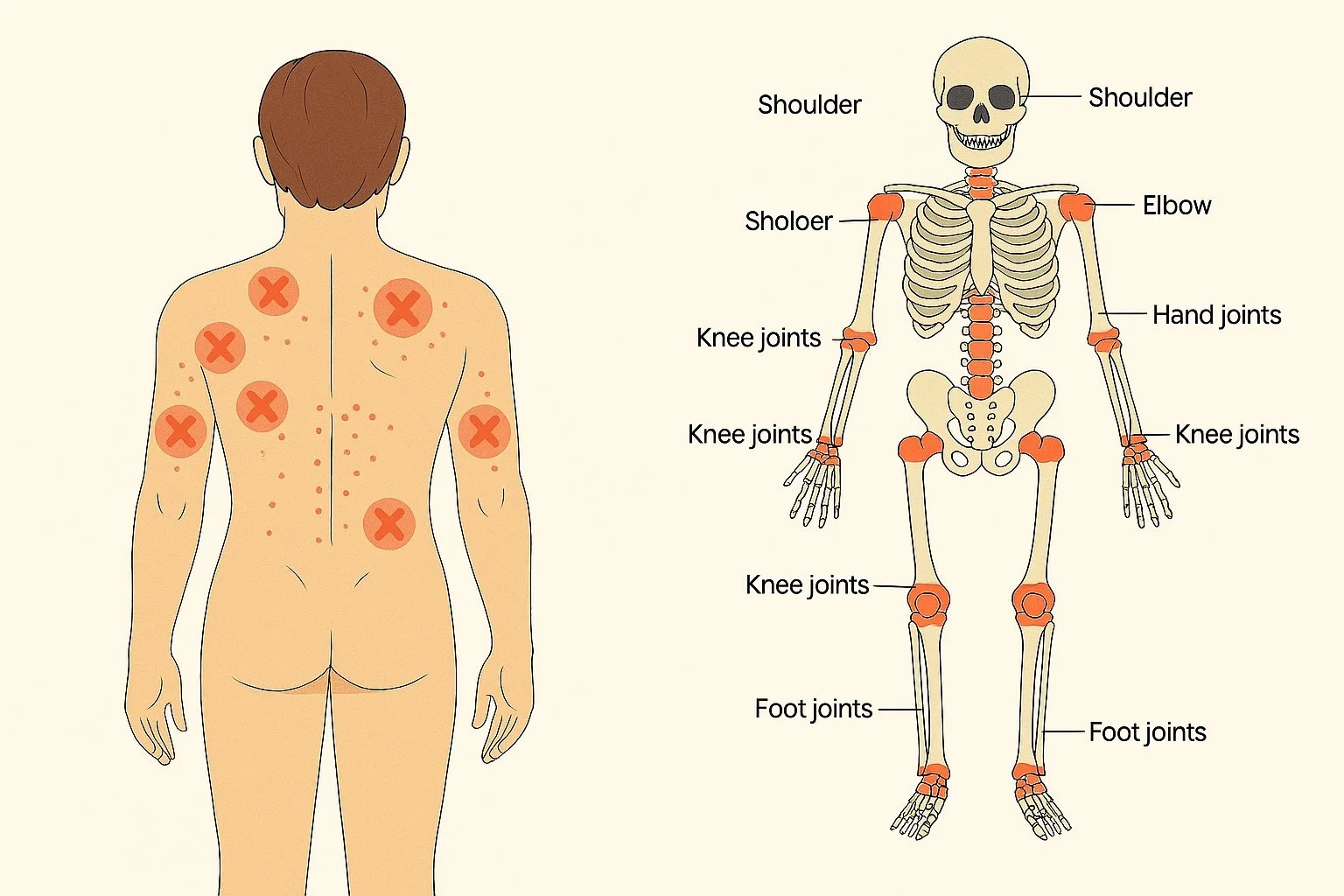
One aspect of the constellation of osteoarthritis related findings and symptoms that is often missed or poorly understood is the secondary chronic myofascial pain syndrome and widespread trigger points. There are complex reasons for that that have to do with the local neurology of the deteriorating joint on muscular tone and control. Patients often are frustrated about what they believe to be a completely new problem, until we sit down and explain to them the correlation between myofascial pain syndrome and osteoarthritis, as being the manifestations of one common phenomenon. But there is something unnerving about patients suddenly feeling that every muscle tendon and ligament in their body is starting to hurt.

Myofascial pain syndrome and trigger pointsin the context of osteoarthritis should be treated both concurrently for the best results. Addressing the myofascial pain alone will have little to no lasting results since there's an upstream trigger. Joint adjustments, active range of motion exercise and strengthening, information control will hugely impact the severity of the myofascial pain. Conversely, only addressing the osteoarthritis will often fail to adequately resolve the myofascial pain since it often has become a self-perpetuating condition of its own.

Myofascial interventions in patients with moderate to severe osteoarthritis does need some modifications. Levels of pressure, frequency of treatment need to be adjusted down. Qualified soft tissue therapist know how to modify the treatment plan accordingly. Other supporting treatments that have found to be very effective are dry needling, traditional acupuncture needling with caution, as well as a variety of topical intervention such as infrared therapy and counter irritant topicals

https://pubmed.ncbi.nlm.nih.gov/36943163/

WHAT CAN GO WRONG WHEN YOU FALL ON YOUR ARM

https://www.youtube.com/shorts/kKP5KtWSxVw

We've seen so many of these injuries this week that I decided to record a short video with the help of my staff to review all the things that can go wrong when you fall on your arm. I thought it was an important educational material to have available since so many people fall and develop problems that they do not connect to the original incident. Especially since the area of symptoms may be far away from the point of impact on their hand and wrist.

Where the injury exactly will occur along the kinetic chain from the hand to the neck depends on a variety of factors, some of it having to do with the angle, and the speed of reaction and trying to break the fall. I've seen some patients develop along acute cervical disc herniations from the side to side during when they're caught off guard during the fall and the neck experiences a form of lateral whiplash. Probably more common are the areas along the shoulder girdle. I especially find that the sternal clavicular joint, at the end of the anterior kinetic chain, can be a source of continued misery and destabilization along the anterior neck and chest, often overlooked and even more often undertreated.